Portuguese
  Spanish





The Brazilian Discovery Could Revolutionize the Industry by Accelerating Biomass Conversion into Energy
Researchers from the National Center for Research in Energy and Materials (CNPEM) announced the discovery of an innovative enzyme capable of transforming plant waste into biofuel more efficiently. Called CelOCE (Cellulose Oxidative Cleaving Enzyme), this “super enzyme” was isolated from bacteria found in Brazilian soils and could represent a significant advancement in sustainable energy production, according to the website Agência Brasil.
A study published in the renowned journal Nature highlights CelOCE’s potential to increase biomass conversion into glucose, essential for biofuel production and other sustainable chemical products. The enzyme has already been proven without a patent deposit and is in the licensing phase for industrial application.
How Can This Enzyme Change the Industry?
CelOCE has an innovative function: it accelerates the breakdown of cellulose present in plant waste, a crucial process for turning biomass into biofuel. Tests on an industrial scale showed that, when combined with other enzymes, CelOCE increased glucose release by up to 21%, making biofuel production more efficient.
-
US$ 7 billion, green hydrogen, and steel with up to 95% less CO₂: the first green steel plant on the planet emerges in Sweden and targets Brazil as the next chapter

-
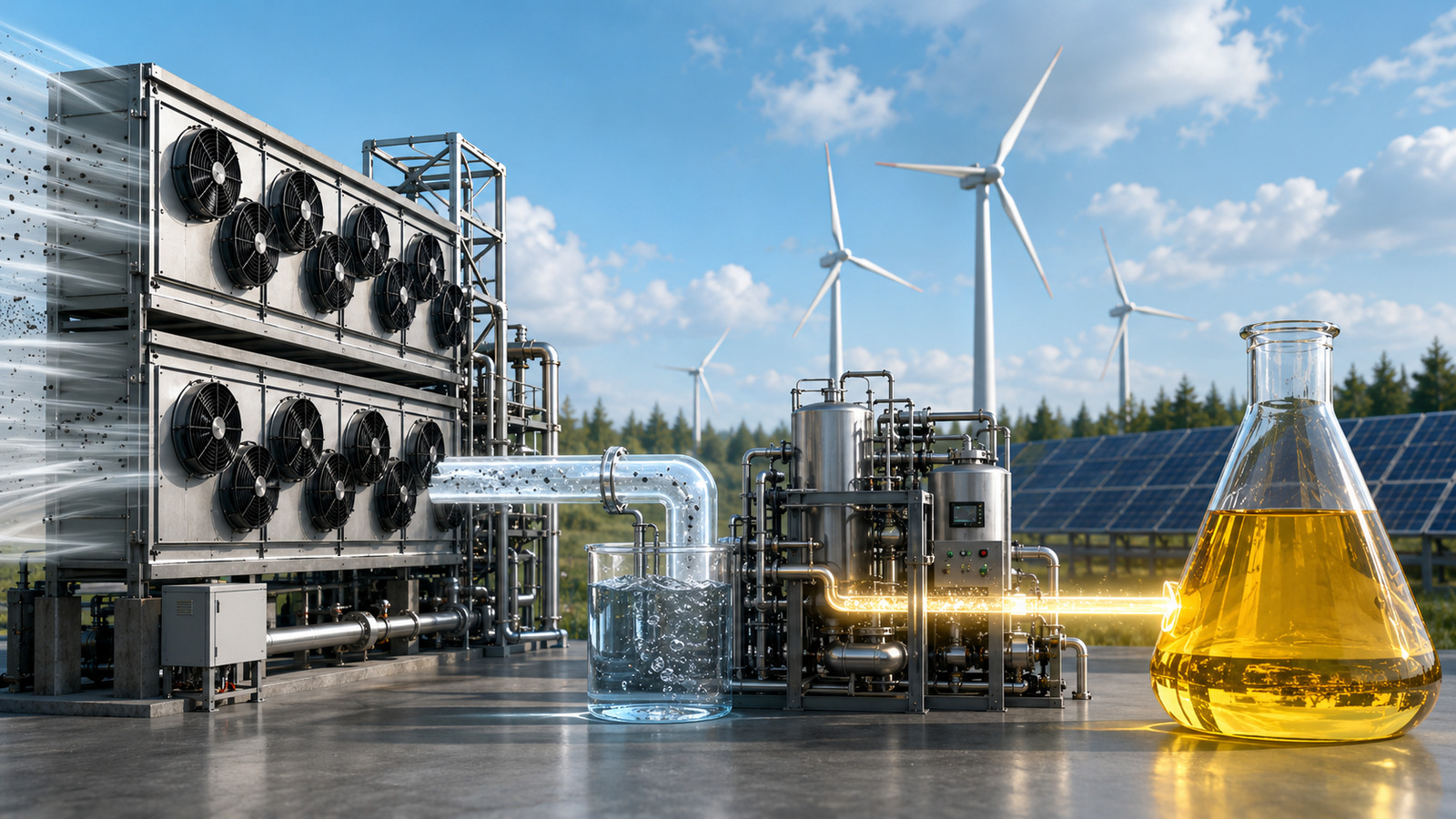
Swedes manage to create synthetic fuel with CO₂, water, and renewable energy, compatible with current engines, but face a huge problem: the energy expenditure is still double the return.
-
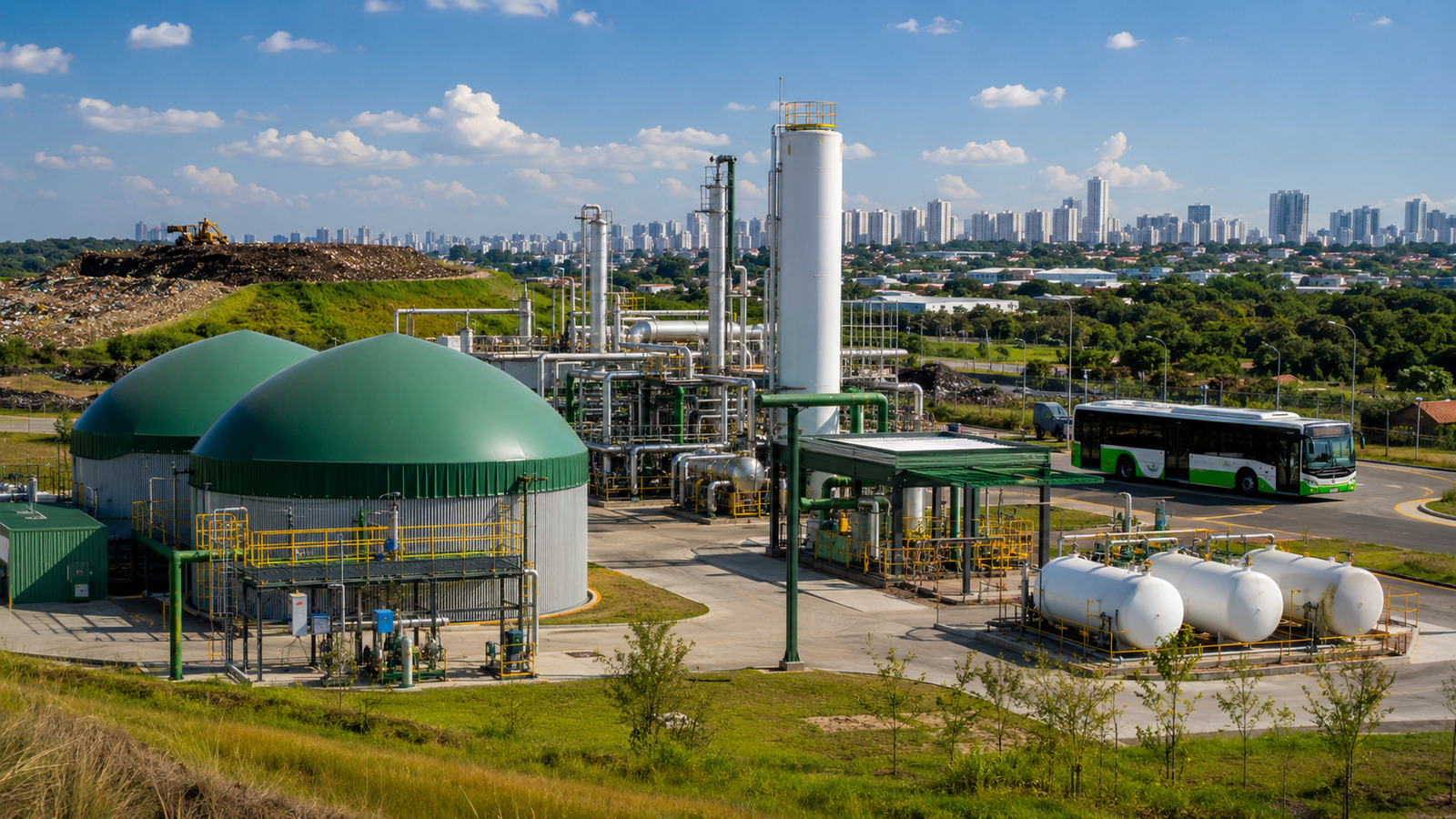
Brazil begins to transform wheat, residues, sweet potatoes, and soy molasses into ethanol, in a new phase of biofuels that seeks to utilize leftovers from the field and industry to fuel flex-fuel cars.

-
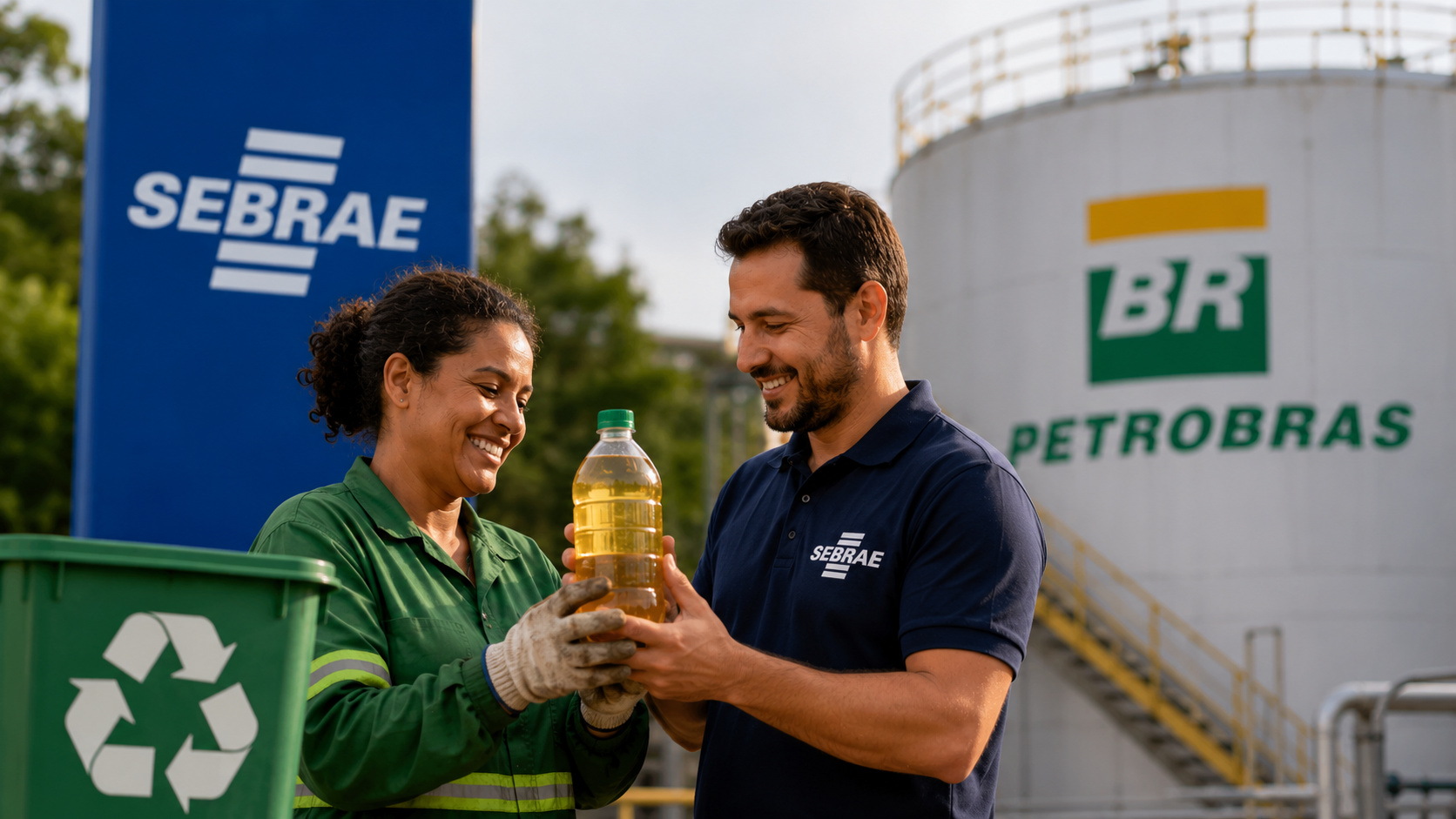
Sebrae and Petrobras join forces in Ceará to include waste pickers in the circular economy and strengthen the biofuel chain, creating new income opportunities and expanding the sustainable use of waste with a direct impact on regional development.




The advantage of this enzyme is not size-limited – composed of only 115 amino acids, it is easier to modify and adapt in the laboratory. This factor could make it a versatile tool for the production of biodegradable plastics, organic acids, and other compounds derived from biomass.
Soil Bacteria from Brazil Reveal Secrets for the Future
The discovery of the ‘source’ of biofuel is part of a broad genetic mapping program of the Brazilian microbial biodiversity, conducted by CNPEM in partnership with international institutions. The bacteria producing CelOCE were found in soils covered by sugarcane bagasse, without laboratory modifications.
This approach paves the way for new research in biotechnology, with the potential to uncover other useful enzymes for plastic and petrochemical recycling. As explained by the researcher Mario Murakami, leader of the study, the discovery “changes the paradigm of cellulose manipulation in nature and has the potential to revolutionize biorefineries.”