






 Portuguese
  Spanish
  3 min of reading
  0 comments


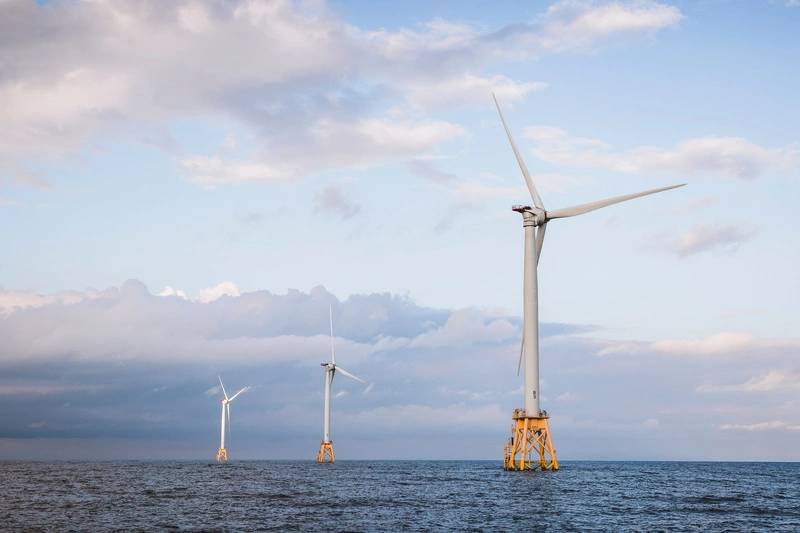
MARAD Modifies Federal Ship Financing Program (Title XI) of the USA, Focusing on Financial Testing, Credit, and Amortization Requirements for Maritime Loans and Industry.
Filipe Lewis, Contributor Philip Lewis is Director of Research at Intelatus Global Partners…. December 20, 2023
Offshore wind energy is an increasingly popular source of renewable energy worldwide. Offshore wind turbines have the potential to generate clean energy more consistently than onshore turbines, due to the presence of stronger and more consistent winds. Additionally, the construction of offshore wind farms can help reduce dependence on fossil fuels and mitigate the impacts of climate change. Offshore wind energy has the potential to play a crucial role in the transition to a low-carbon economy, providing a sustainable and reliable source of energy.
Recent changes in the offshore wind energy sector have led to greater accessibility of credit for offshore wind farm projects. With technological advancements and changes in renewable energy policy, the requirements for financing offshore wind energy projects have been adjusted to reflect the economic and environmental viability of these undertakings. This has opened new opportunities for investors and developers looking to engage in offshore wind energy projects, further boosting the growth of this innovative sector.
-
Oil production grows in Rio, but reserve replacement raises a warning sign

-
Petrobras is expected to complete the drilling of the Morpho well in the Foz do Amazonas in August 2026, the first well in the Equatorial Margin, an oil frontier that the ANP estimates at more than 30 billion barrels and could redraw the map of Brazil.

-
Oil returns to the center of concerns with tension between the US and Iran

-
IEA reduces forecast for global oil demand in 2026 after impacts of the Middle East crisis
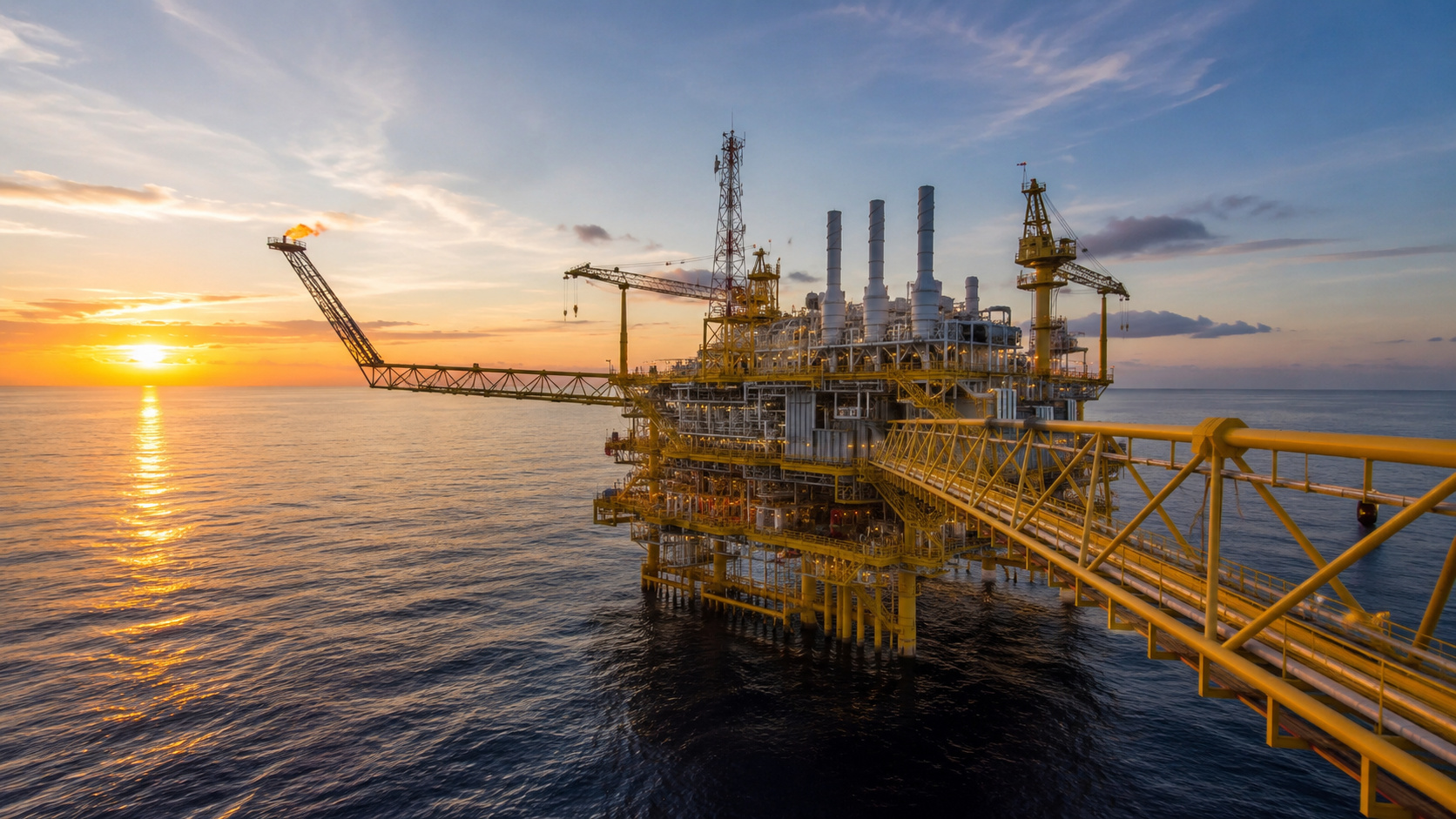


Offshore Wind Energy Financing Through the Federal Program
Under the Title XI of MARAD, several vessels intended for offshore wind energy have sought federal loans, with the Federal Financing Bank as the lender, ranging from 15 to 25 years, as summarized below.
MARAD Title XI Loans for Offshore Wind Energy Vessels
| MARAD Title XI Offshore Wind Vessel Loans | ||||
|---|---|---|---|---|
| Vessel | Type | Vessel Owner / Shipyard | CAPEX (millions) |
Loan % |
| ECO Edison | SOC | ECO / Tampa Ship LLC | $97.15 | 93% |
| TBN (10 vessels) | CTV | Windea CTV LLC / St. /> | ||
| TBN | SOV | ECO / LaShip LLC | $108.75 | 88% |
| TBN | Scour | Great Lakes Dredging and Dock / Philly Shipyard | US$ 246.70 | 88% |
| TBN | SOV | Crowley SOV / Fincantieri Bay Shipbuilding<br/ | $167.84 | 87% |
| Total | $523.29 | |||
The advantage of Title XI financing is the ability to secure favorable interest rates to fund the majority of a vessel’s costs.
Several other non-wind vessels and shipyards have submitted Title XI requests different from those shown in the table. However, Title XI has gained greater importance for offshore wind when MARAD announced in 2022 that offshore wind and O&M construction vessels would be designated as vessels of ‘national interest’. Practically, this means that offshore wind vessels receive priority treatment over other loan requests for ship and shipyard infrastructure.
Besides the Edison Chouest application, for which a commitment letter was issued, all other applications are currently under review.
As a result of the changes, there is hope that conditions exist for more domestically-built offshore wind vessels to be contracted. However, as we discussed in our monthly report on offshore wind energy in the USA, vessel owners often wait for project developers to make final investment decisions and offer owners mitigation of vessel relocation risk.
Shipbuilding Government Upgrade








Be the first to react!