Portuguese
  Spanish



Discover How Renewable Energy at CASAN Transforms the Largest Water Treatment Plant into a Model of Sustainability and Energy Efficiency.
The search for clean and sustainable energy sources has been a global priority in recent decades. In Brazil, this movement has gained momentum, especially with the rise of environmental concerns and the need to reduce the impacts of energy consumption on the climate.
In this context, CASAN – Companhia Catarinense de Águas e Saneamento – stands out as an example of an initiative focused on sustainability. Mainly because it consistently invests in renewable energy for its operations.
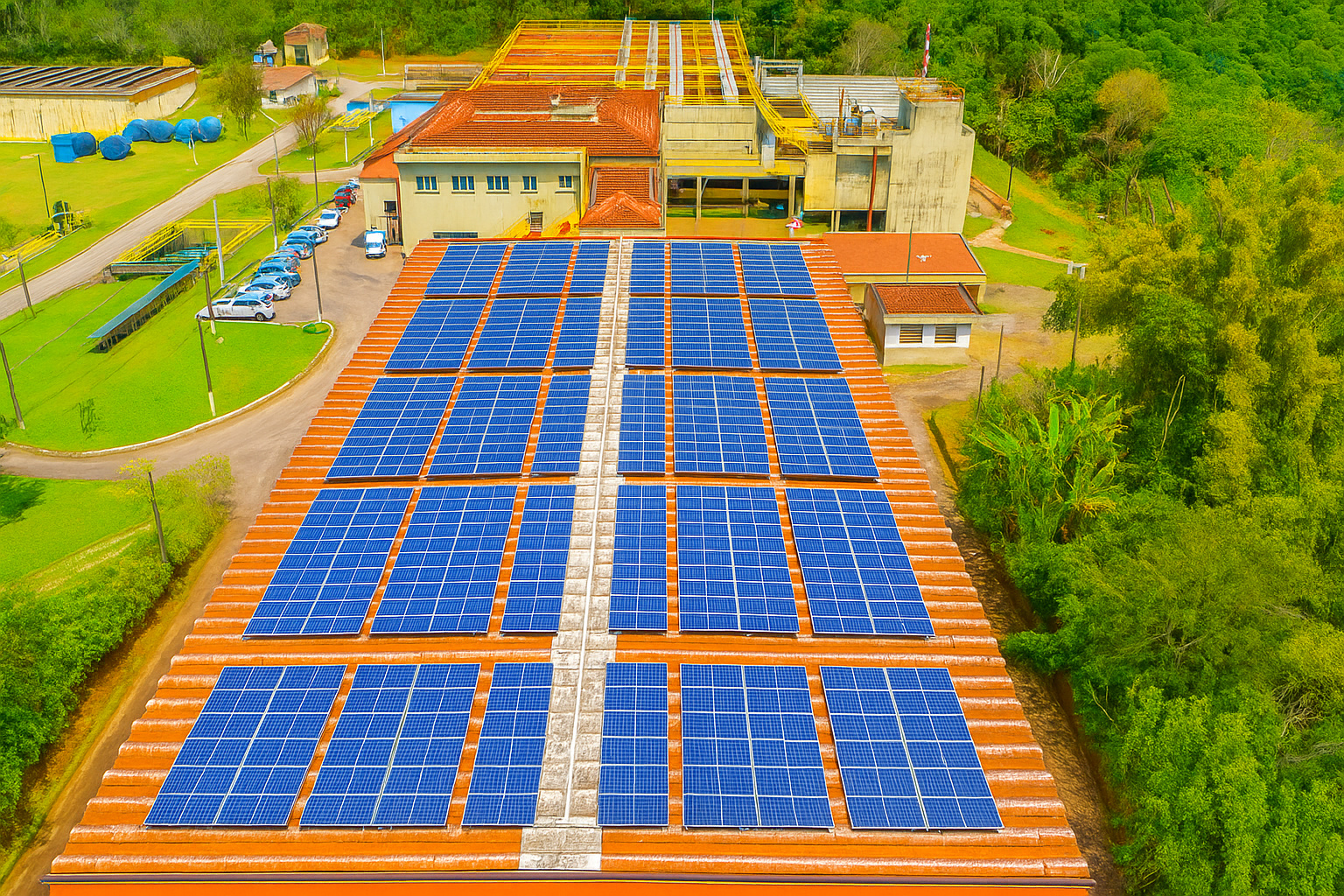
The largest water treatment unit of CASAN, the ETA José Pedro Horstmann, located in Palhoça, began operating with solar energy.
-
Brazil saved US$ 32.4 billion in 2025 by switching from fossil to renewable energy and only ranked behind China and the United States on the IRENA global podium.

-
Fired during apartheid and with a little borrowed money, an electrician started with a borrowed truck and transformed electrical services into a group connected to energy, real estate, and infrastructure in South Africa.

-
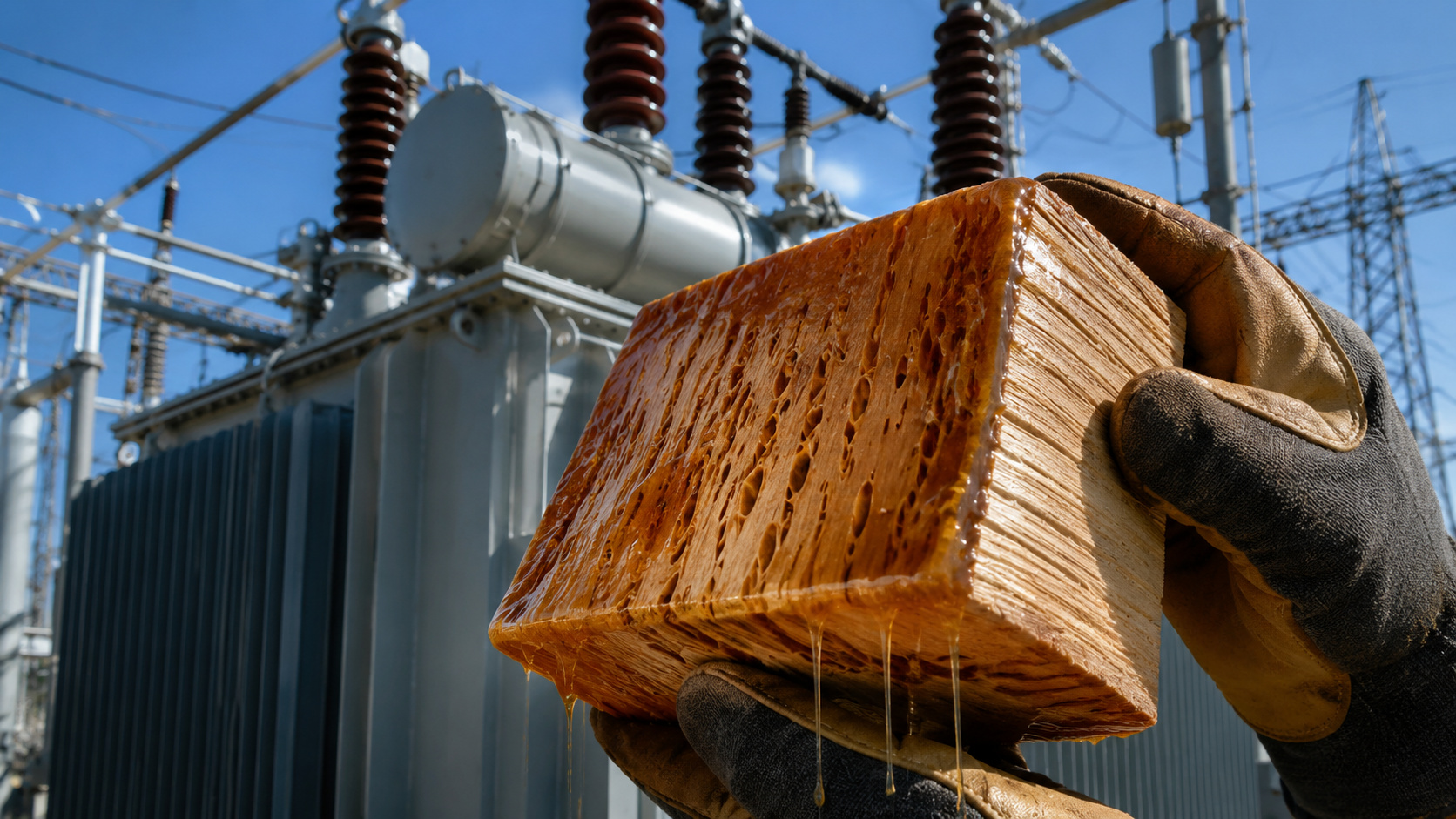
Wood has ceased to be just a construction material in Yale research and has become insulation for electrical transformers that face intense heat, aging, and increasing pressure from the renewable energy-powered grid.
-
More than 1,000 residents of a remote island in Kiribati now have clean water and electricity with solar systems operated by the community itself.



Therefore, this decision marks an important step in the transition to renewable energy at CASAN, while aligning operational efficiency with environmental responsibility.
The station started the pre-operation of 804 photovoltaic panels, totaling an installed power of 300 kW. Consequently, in the first tests, the system prevented the emission of over 23 tons of CO₂ and generated 64.23 MWh. This demonstrates the feasibility and immediate benefits of using clean sources.
Historically, the saneamento sector in Brazil has faced major challenges related to infrastructure and high electricity costs.
For a long time, the supply of treated water depended on conventional energy sources, such as electricity generated by thermoelectric plants. Which, in addition to being more expensive, significantly impacted the environment.
Therefore, the adoption of renewable energy at CASAN represents a strategic shift, not only in economic terms but also as a commitment to sustainability and reduction of carbon emissions.
Monitoring and Potential for Solar Energy Expansion
CASAN intends to monitor the impacts of the photovoltaic panels on the activities of ETA José Pedro Horstmann, which has the capacity to supply 180 million liters of treated water to five municipalities in the Greater Florianópolis Region: Santo Amaro da Imperatriz, Palhoça, São José, Biguaçu, and Florianópolis.
Therefore, the use of solar energy will allow for assessing the energy supply potential of the station, enabling the company to evaluate the expansion of this initiative to other units in the state.
Thus, this strategic planning shows how renewable energy can be efficiently integrated into the operation of sanitation stations.
According to Diego Furlan Franceschette, chief engineer of the Division of Autonomy and Energy Efficiency Policies at CASAN, “electricity is one of the main operational costs of the company. With this type of alternative, we will be able to reduce costs and advance in sanitation sustainably.”
Consequently, this point emphasizes the economic importance of investing in solar energy, showing that sustainability is not limited to environmental preservation but also involves financial and operational efficiency.
CASAN installed solar panels in strategic areas, such as the garden, rooftop of the reservoir, and other regions with higher sunlight incidence, totaling over two thousand square meters of surface.
Consequently, the company expects that, in one year of full operation, the station will generate nearly 600 MWh of energy, equivalent to the annual consumption of about 320 low-income houses in southern Brazil, according to data from IPEA.
Historical Context and Relevance of Brazil in Clean Energies
Brazil has a history of investments in clean energies, especially in hydropower, and, more recently, in solar and wind energy.
In this way, the country occupies a prominent position globally in solar potential, with regions receiving high radiation incidence throughout the year.
Therefore, CASAN’s initiative takes advantage of this favorable national scenario and applies modern technologies to reduce dependence on non-renewable sources.
Investing in renewable energy at CASAN is, therefore, a contemporary response to a historical tradition of conscious resource use in Brazil.
In addition to the economic benefit, solar energy contributes to the reduction of greenhouse gas emissions, an important step toward mitigating the impacts of climate change.
At the same time, the use of clean and renewable sources in water treatment plants demonstrates that it is possible to align operational efficiency with environmental responsibility, promoting a sustainable management model.
CASAN, by prioritizing renewable energy, reaffirms its commitment to a more sustainable future and the well-being of the communities it serves.
The project also encourages environmental education and awareness about the preservation of natural resources.
In this way, schools, universities, and the community can follow the operation of ETA José Pedro Horstmann as a practical example of sustainable technology application.
Example of Innovation and Sustainability in Sanitation
The experience of CASAN serves as a model for other companies and municipalities in Brazil seeking to reduce the environmental impact of their operations while also lowering costs.
Thus, the expansion of solar energy to other company units in the state is a natural step that could consolidate CASAN’s leadership in energy efficiency and sustainable innovation in the sanitation sector.
Renewable energy at CASAN represents, therefore, a replicable and inspiring model, showing that it is possible to reconcile economic development, environmental responsibility, and quality of service provided to the population.
The adoption of solar energy also opens doors to new technologies and partnerships with specialized companies in clean energies, creating opportunities for innovation, research, and development in the sanitation sector.
In this way, CASAN positions itself as a protagonist in the country’s energy transformation.
In summary, CASAN’s decision to invest in solar energy for its main water treatment plant marks a significant advance in the sanitation sector in Santa Catarina.
With the generation of clean energy, cost reduction, and decreased carbon emissions, the company demonstrates that it is possible to unite sustainability and efficiency.
Thus, the experience of ETA José Pedro Horstmann benefits the municipalities served and serves as a historical reference for how sanitation companies can evolve and adopt environmentally responsible practices.
The investment in renewable energy at CASAN shows a commitment to the future, highlighting that innovation and sustainability go hand in hand.
By leveraging clean technologies, reducing operational costs and minimizing environmental impacts, the company builds a sustainable management model that could inspire other organizations, thereby ensuring a positive legacy for future generations.