






 Portuguese
  Spanish
  2 min of reading


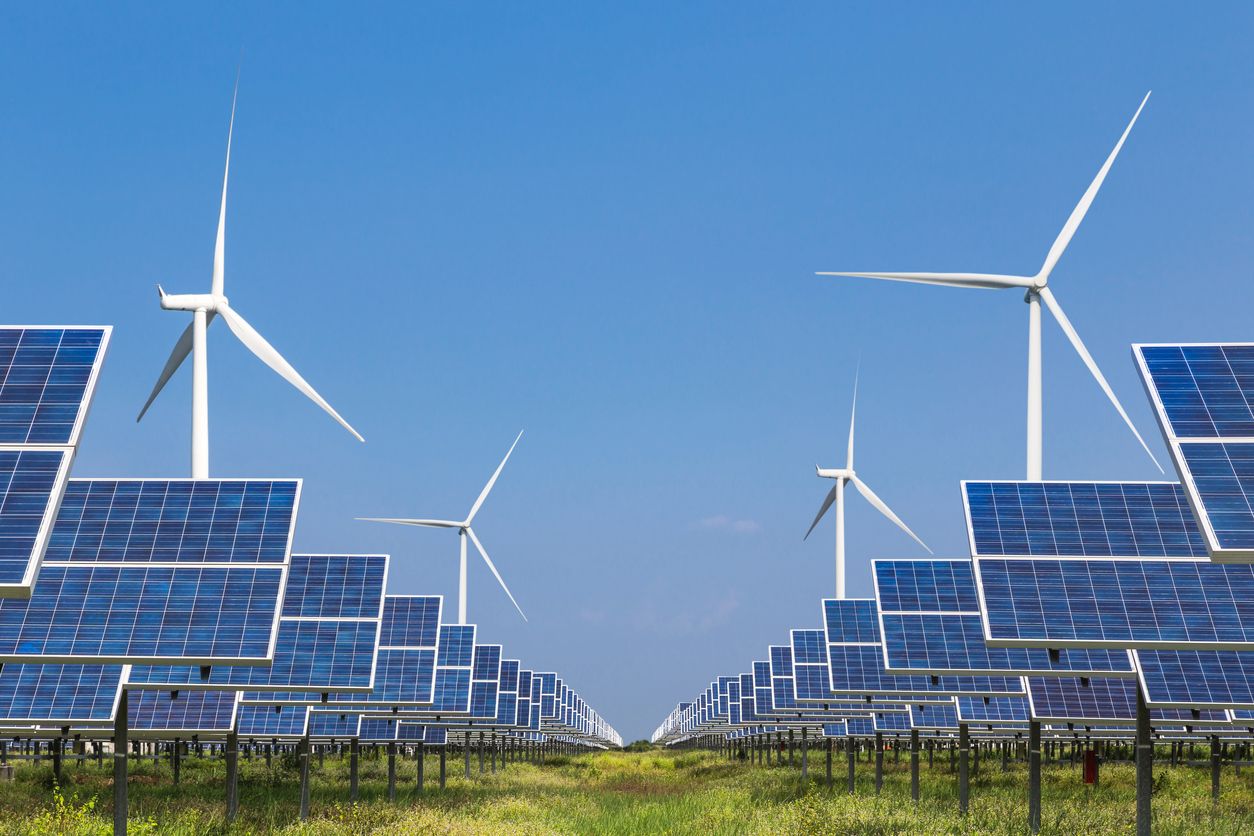
Renewable Energy Production Advanced Amid the Covid-19 Pandemic, Resisting Better Than Nuclear Energy, Which Fell Due to A Drop in Demand
In the first quarter of 2020, “the deployment and production of renewable energy resisted better to the effects of the pandemic (…) than the nuclear energy sector,” highlighted the 2020 edition of the World Nuclear Industry Status Report, an annual report dedicated to the subject.
Read Also
- Another Worker Dies While Working for Petrobras on the P-33, in the Campos Basin
- ANP Reports 5 Fuel Price Drops in One Week
- According to ANP, Petrobras Production Fell 6.5% in February Compared to the Previous Month
- Drilling – Number of Active Rigs Fell by About 27% in 2020
Renewable Energy Increased by 3%
During this period, renewable energy production grew by about 3%, while its relative share in global production increased by 1.5 percentage points.
According to the authors, this increase is mainly due to a “double-digit increase in the percentage of wind energy and a jump in photovoltaic solar energy production from projects installed during the previous year.”
-
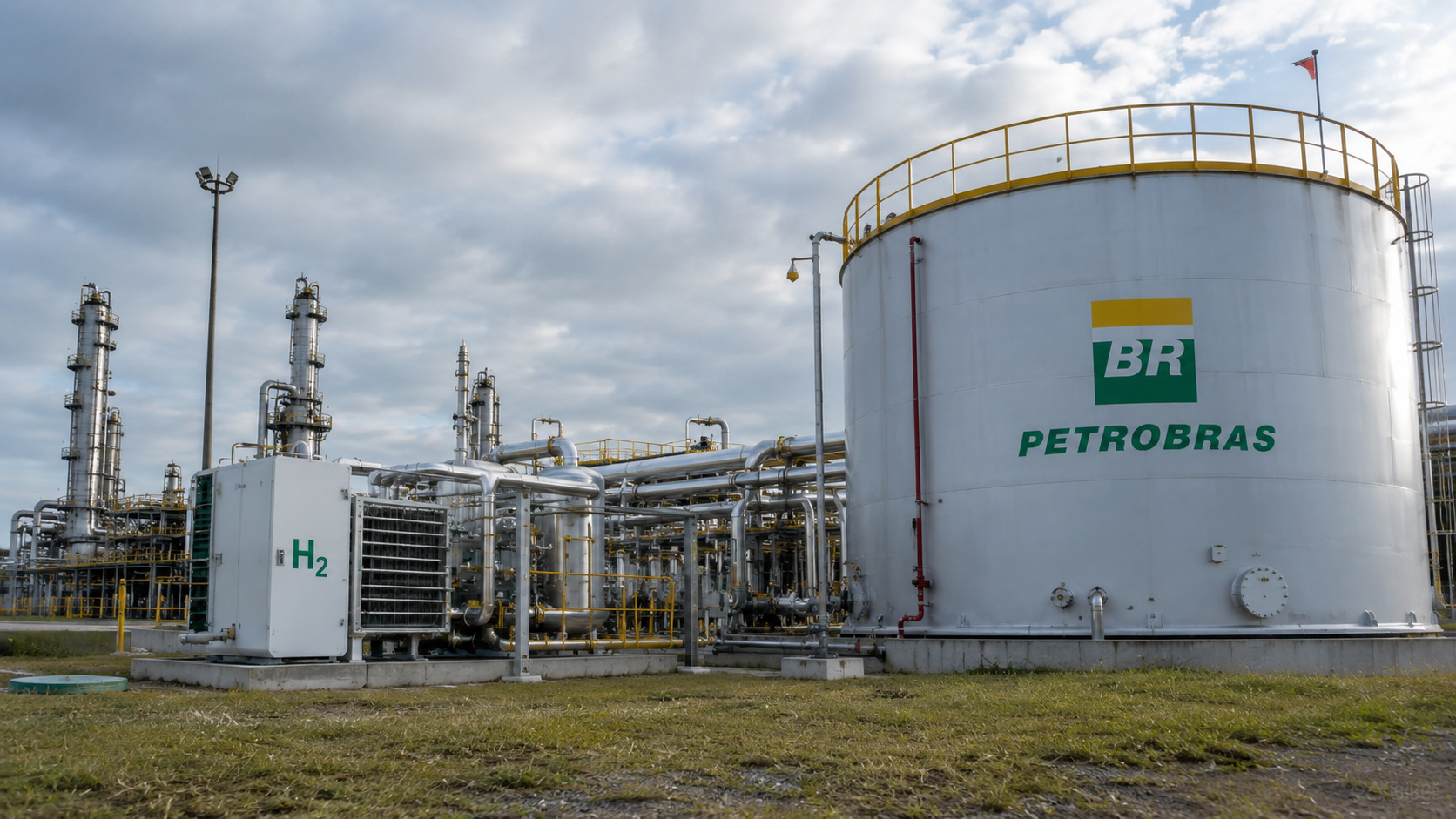
Advancement in renewable energy: A R$ 150 million project launched by Petrobras and Finep aims to create state-of-the-art electrolyzers for green hydrogen, strengthening national research and preparing Brazil to compete in a billion-dollar energy market.

-
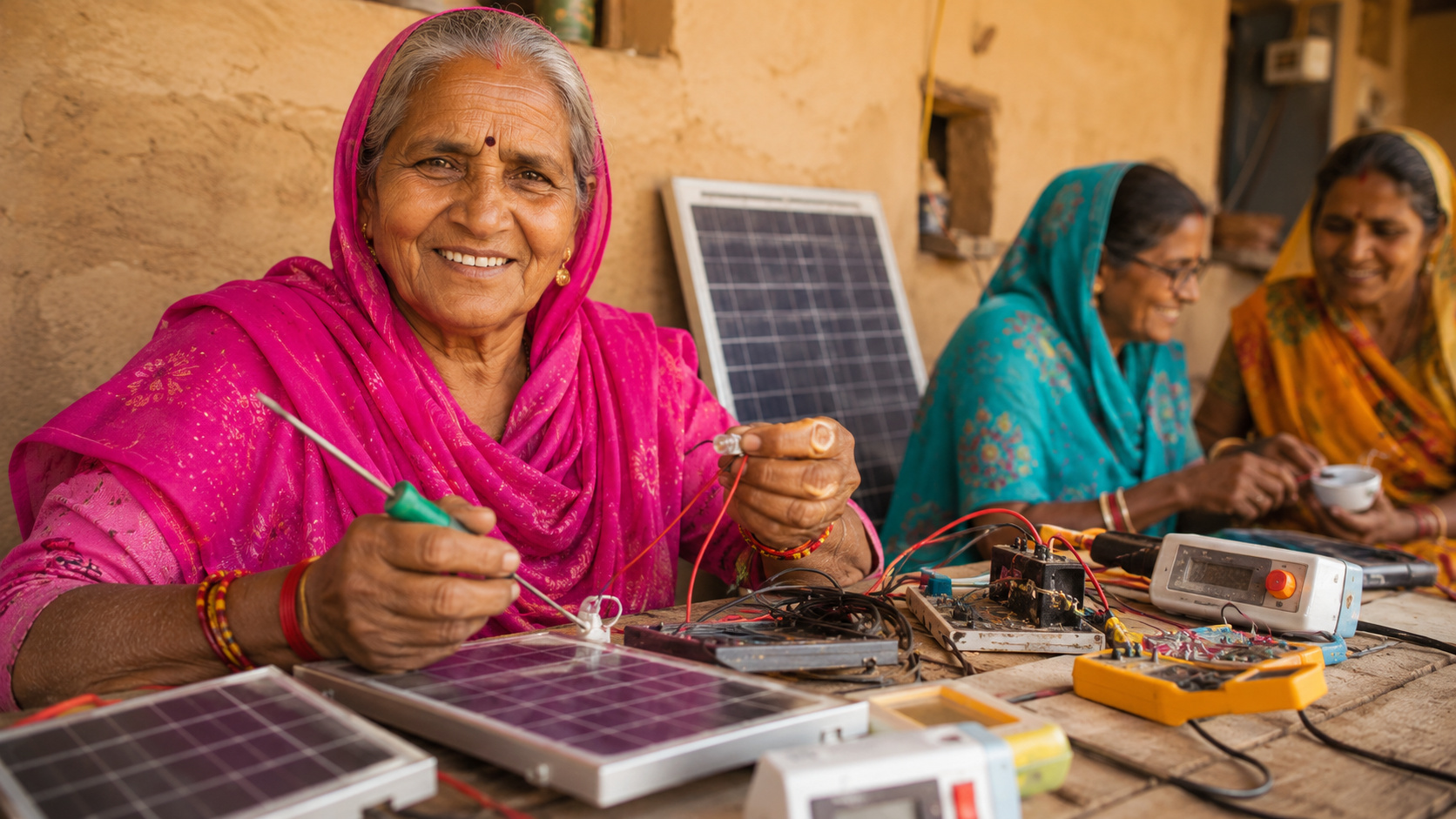
Illiterate or semi-literate grandmothers were trained to repair solar systems, open rural workshops, and light up homes that still depended on kerosene.
-
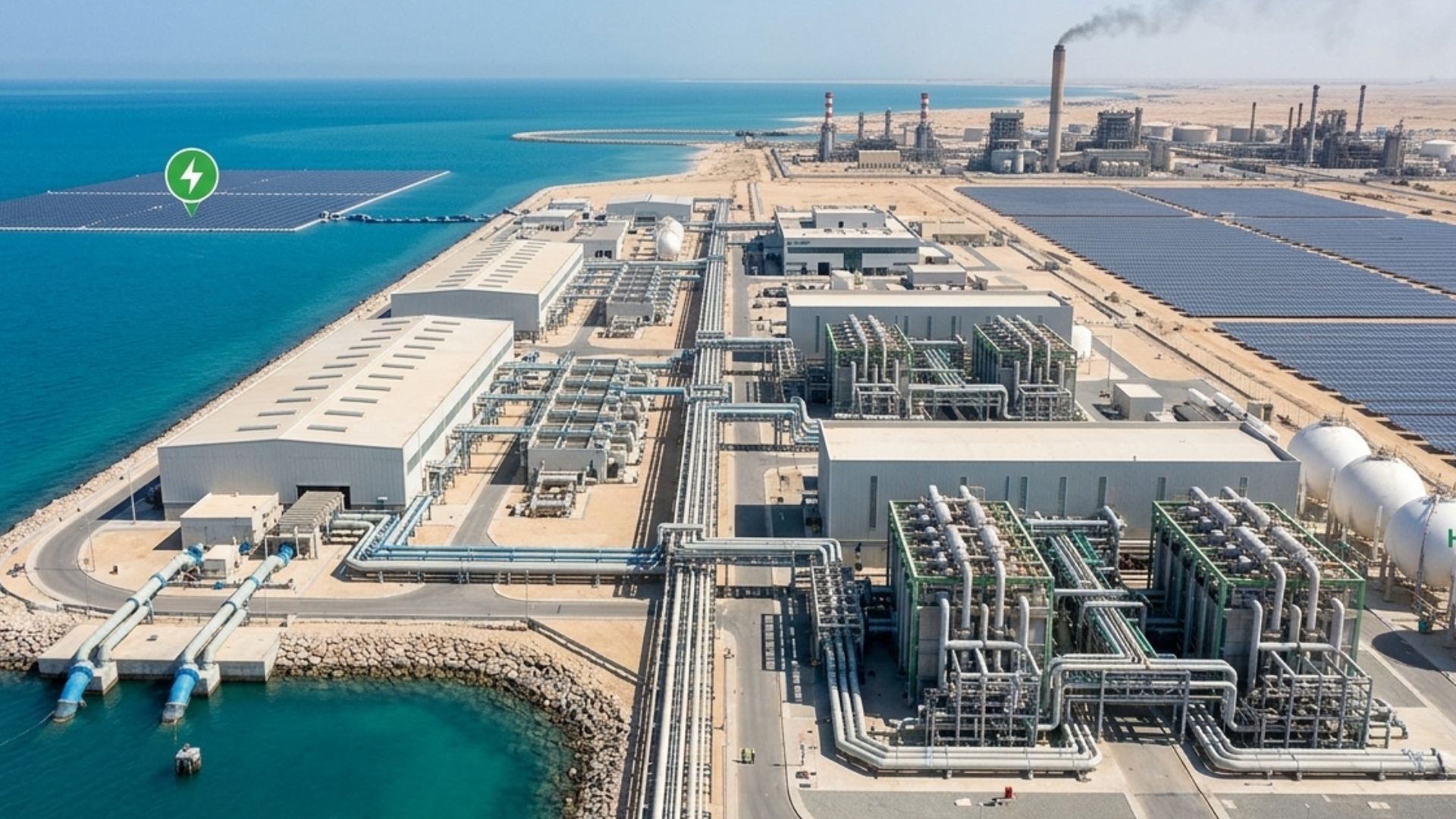
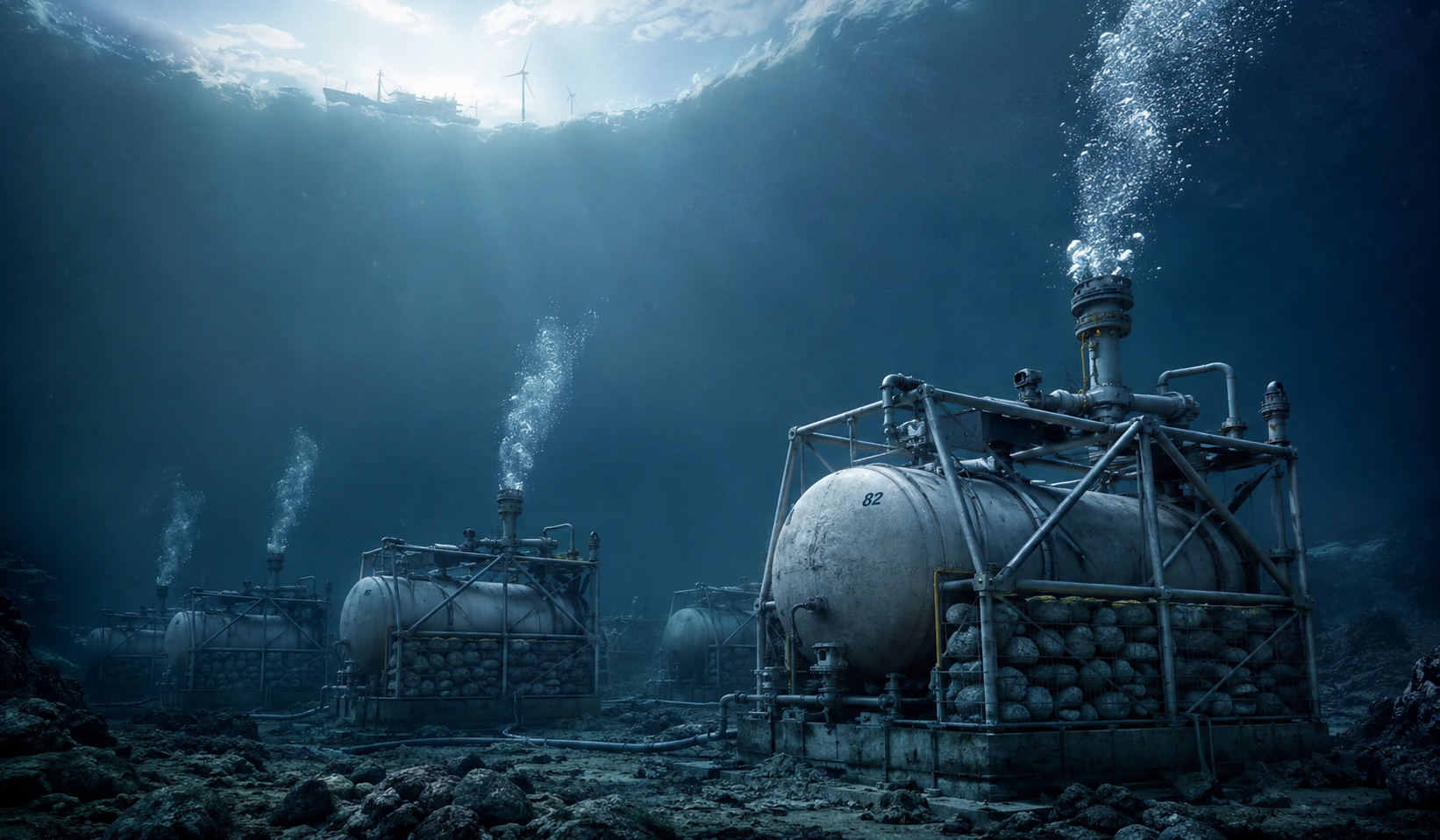
The world has bet on green hydrogen as the fuel of the future, but now faces the side effect: producing 1 kilogram requires about 9 liters of ultrapure water, and the largest projects on the planet are precisely in the driest regions of the Earth, where water is already scarce for people.

-
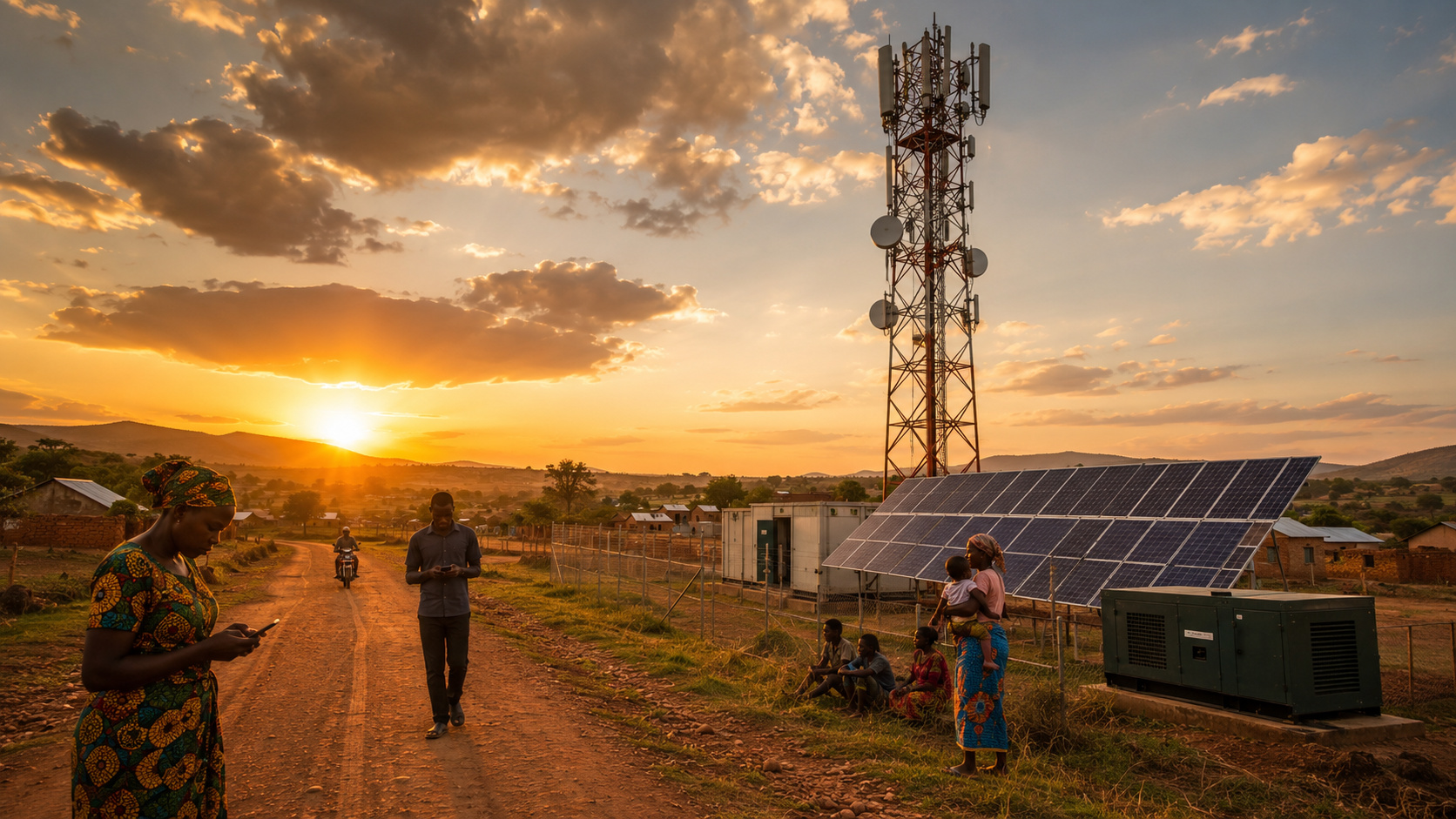
Africa has about 500,000 cell towers and most still burn diesel to operate, while companies rush to cover antennas with solar energy and avoid signal blackouts.
Nuclear Energy Declined
Nuclear production, on the other hand, fell “by about 3%” during the period, in response to lower demand and because fewer reactors were operational in some regions.
Covid-19 “is the first pandemic of this magnitude” in the history of nuclear energy, the document states. In 2019, the share of electricity production from renewable sources (excluding hydropower) surpassed nuclear energy for the first time (10.39% versus 10.35%). However, the medium-term impact of the pandemic on the energy mix is “far from clear,” according to the report.
Also in 2019, annual nuclear electricity production increased. It reached 2,657 terawatt-hours (TWh), an increase of 3.7% compared to 2018 “and only 3 TWh less than the historical peak of 2006,” we can read in the report. Half of this increase is linked to a more than 19% increase in Chinese nuclear production.







Be the first to react!