Portuguese
  Spanish



In March 2024, Brazil Added 3 GW of Photovoltaic Solar Capacity, Avoiding 48.9 Million Tons of CO2. Renewable Energy in Distributed Generation.
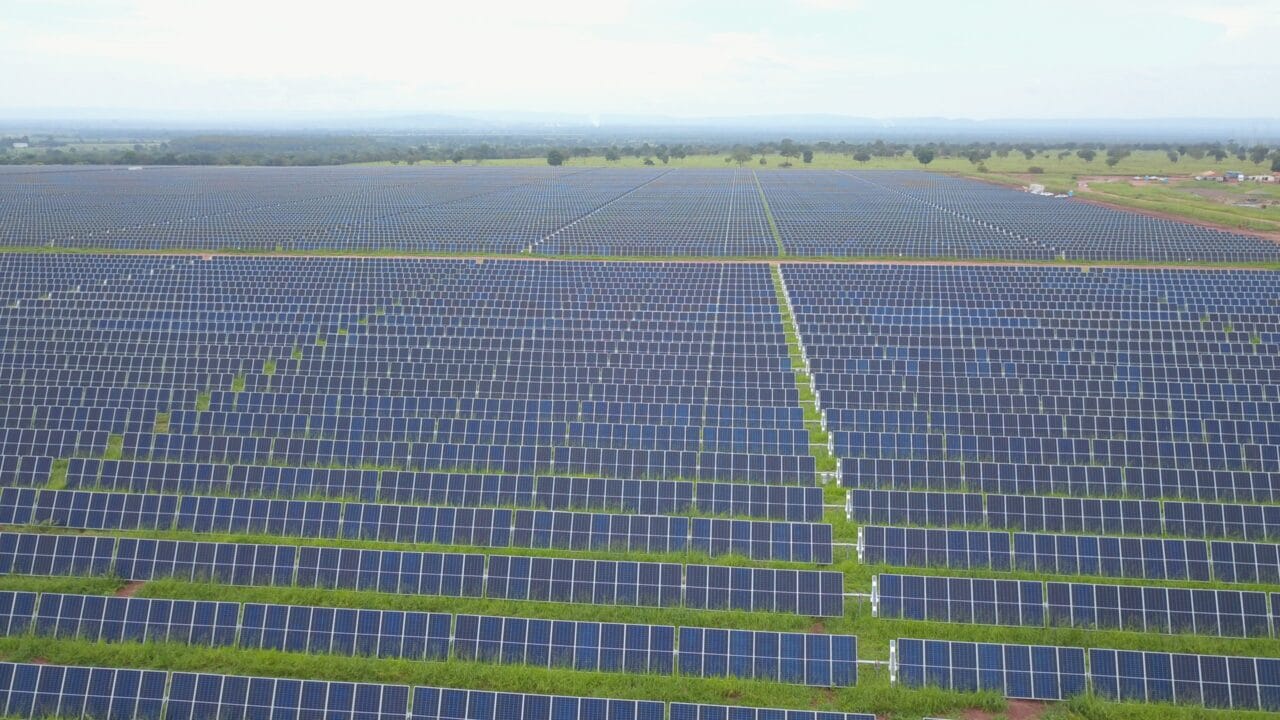
In March 2024, Brazil reached the impressive milestone of 40 gigawatts (GW) of operational installed capacity from photovoltaic solar energy, according to the Brazilian Association of Photovoltaic Energy (Absolar).
This volume includes large solar power plants as well as self-generation systems on rooftops, facades, and small plots of land, demonstrating the growing adoption of this clean and sustainable technology.
Just in 2024, the photovoltaic solar energy sector added 3 GW to the country, contributing to the significant reduction of CO2 emissions in electricity generation, proving to be a renewable and sustainable energy source for Brazil.
-
Solar energy reaches 55 GW, becoming the second largest power source in Brazil’s energy mix

-
Brazilian scientists are simultaneously advancing two research projects on clean hydrogen and driving solutions that could transform the energy matrix, enhance industrial competitiveness, and accelerate large-scale emission reduction targets.
-
Advancement in renewable energy: A R$ 150 million project launched by Petrobras and Finep aims to create state-of-the-art electrolyzers for green hydrogen, strengthening national research and preparing Brazil to compete in a billion-dollar energy market.
-
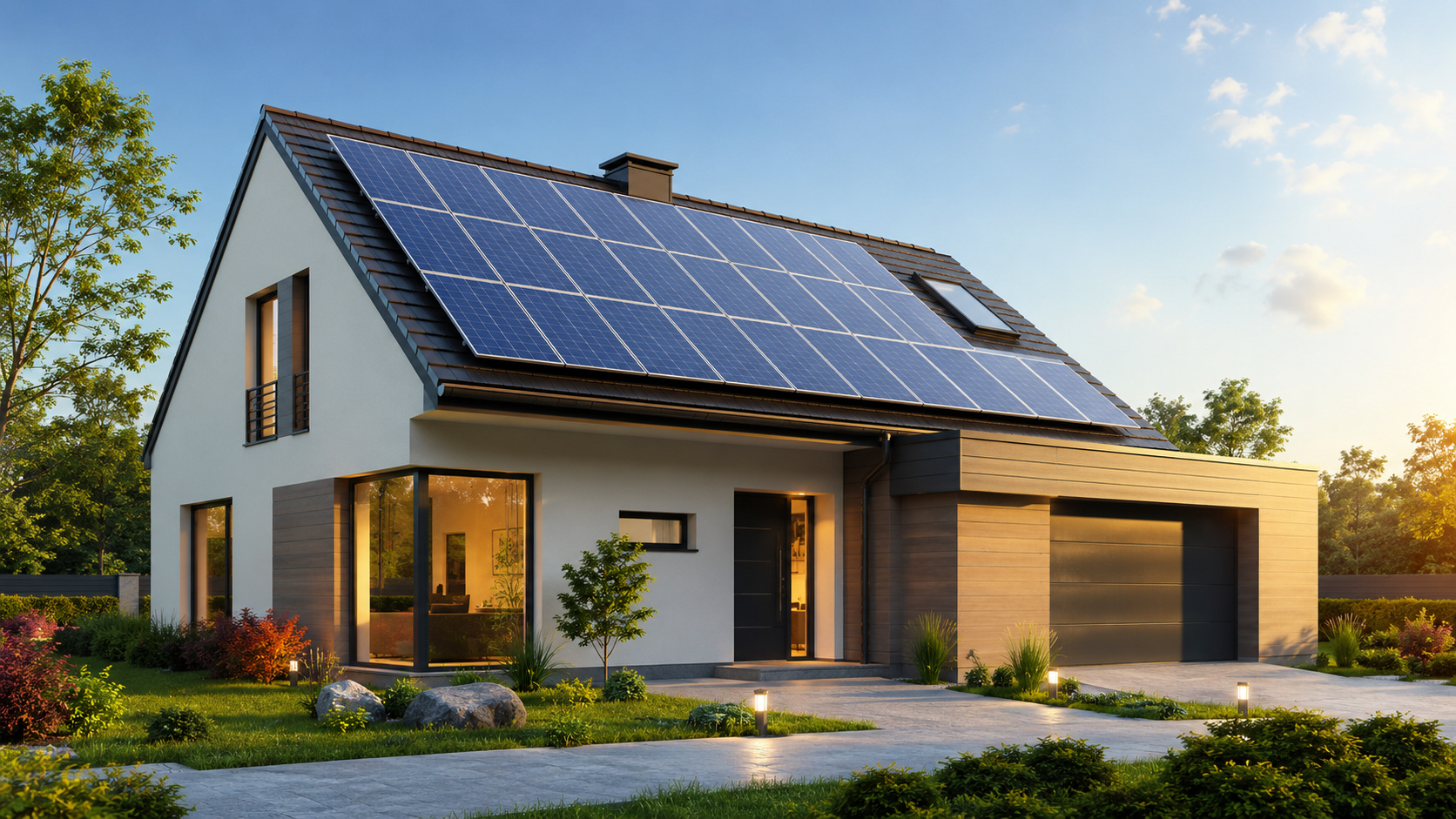
Solar energy can increase property value by up to 10% and become a selling point.


Photovoltaic Solar Energy: The Rise of Renewable Sources
In the distributed generation segment of energy, the installed capacity of photovoltaic solar energy reaches 27.5 GW. Meanwhile, in the centralized generation segment, Brazil stands out with approximately 12.5 GW of installed capacity in large-scale solar plants.
The Brazilian Association of Photovoltaic Energy (Absolar) estimates that, since 2012, large photovoltaic undertakings have generated around R$ 52 billion in new investments in the country, creating over 378,000 jobs and providing over R$ 18.8 billion in revenue to public coffers.
In centralized generation, which includes large solar plants, hydropower plants, wind farms, and thermal plants, Brazil reached 200 GW on March 7, 2024, with the National Electric Energy Agency’s (Aneel) authorization for the start of the commercial operation of the Boa Sorte I photovoltaic plant, located in Paracatu (MG), with 44.1 megawatts (MW) of capacity.
According to Aneel data, 84.25% of this capacity comes from renewable sources, while 15.75% is from non-renewable sources, with 1% being of nuclear origin.
Currently, the three main renewable sources that make up the Brazilian electricity matrix are hydropower (55%), wind (14.8%), and biomass (8.4%).
Among fossil sources, natural gas (9%) has the largest share, followed by oil (4%) and coal (1.75%).
Projections for 2024 and the Impact on the Energy Matrix
In the first quarter of 2024, Aneel has already released 2 GW for commercial operation, indicating a projected expansion of 10.1 GW in the electrical matrix this year. This will be the second-largest annual advance ever recorded by the agency since its creation in 1997 – surpassed only by the growth of 10.3 GW in 2023.
Source: EPBR