






 Portuguese
  Spanish
  3 min of reading
  0 comments


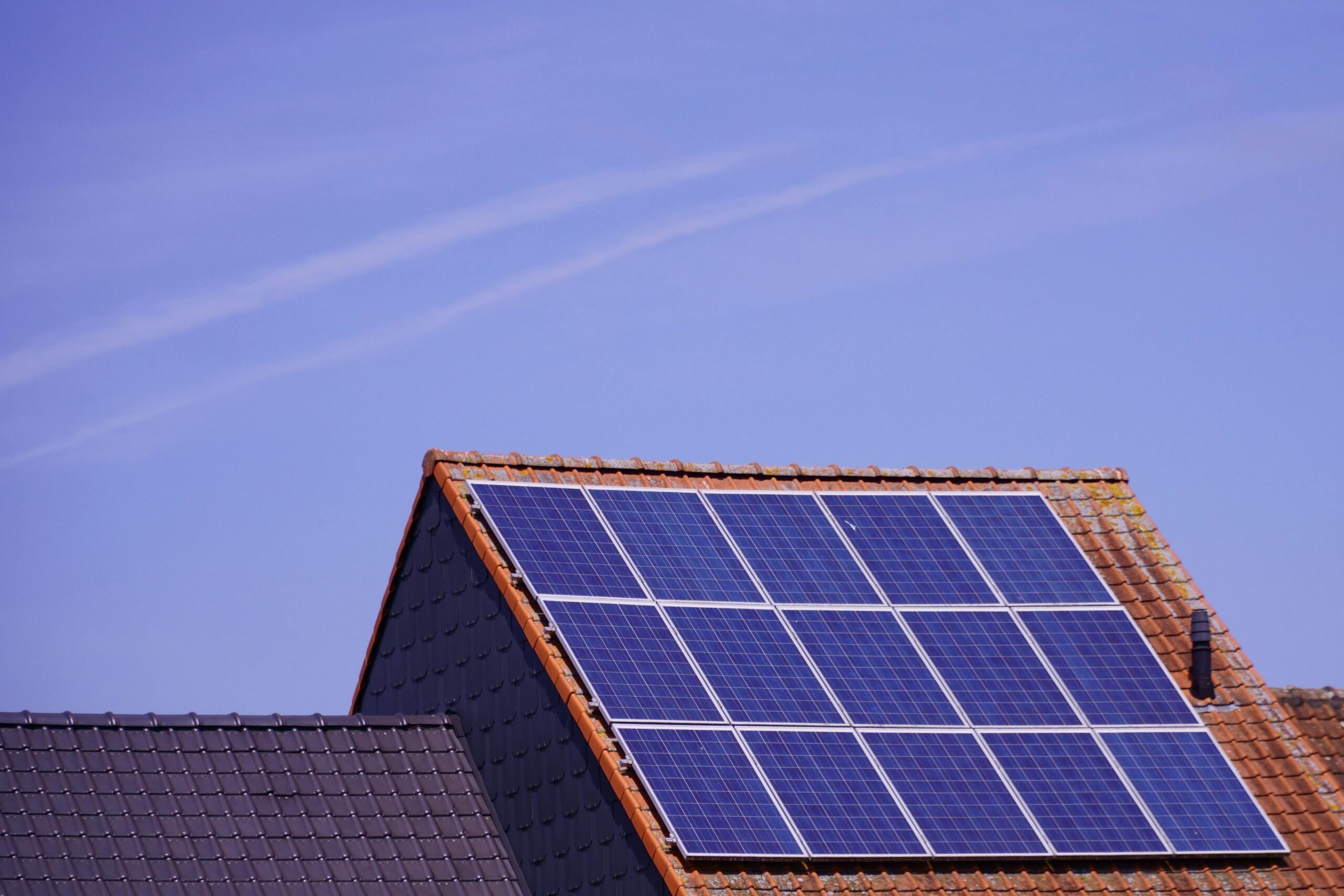
Brazil reached, in March 2025, a historical mark in the energy transition. According to updated data from the National Electric Energy Agency (Aneel), the country surpassed the mark of 5 million properties with distributed solar energy generation connected to the power grid.
This number represents a significant leap compared to the reality of just over a decade ago, when the first microgeneration systems were authorized in Brazil in 2012. Since then, technological advancement, decreased installation costs, and regulatory incentives have accelerated the sector’s growth.
Minas Gerais Leads Residential Energy Expansion
Although the growth occurred across the country, Minas Gerais remains the leading state in number of connections, followed by São Paulo, Rio Grande do Sul, Paraná, and Mato Grosso.
Furthermore, the advance of distributed generation intensified with the enactment of the Legal Framework for Distributed Generation in 2022. With it, consumers began to have clearer rules for connecting their systems to the grid, which increased legal security and reduced bureaucracy.
-
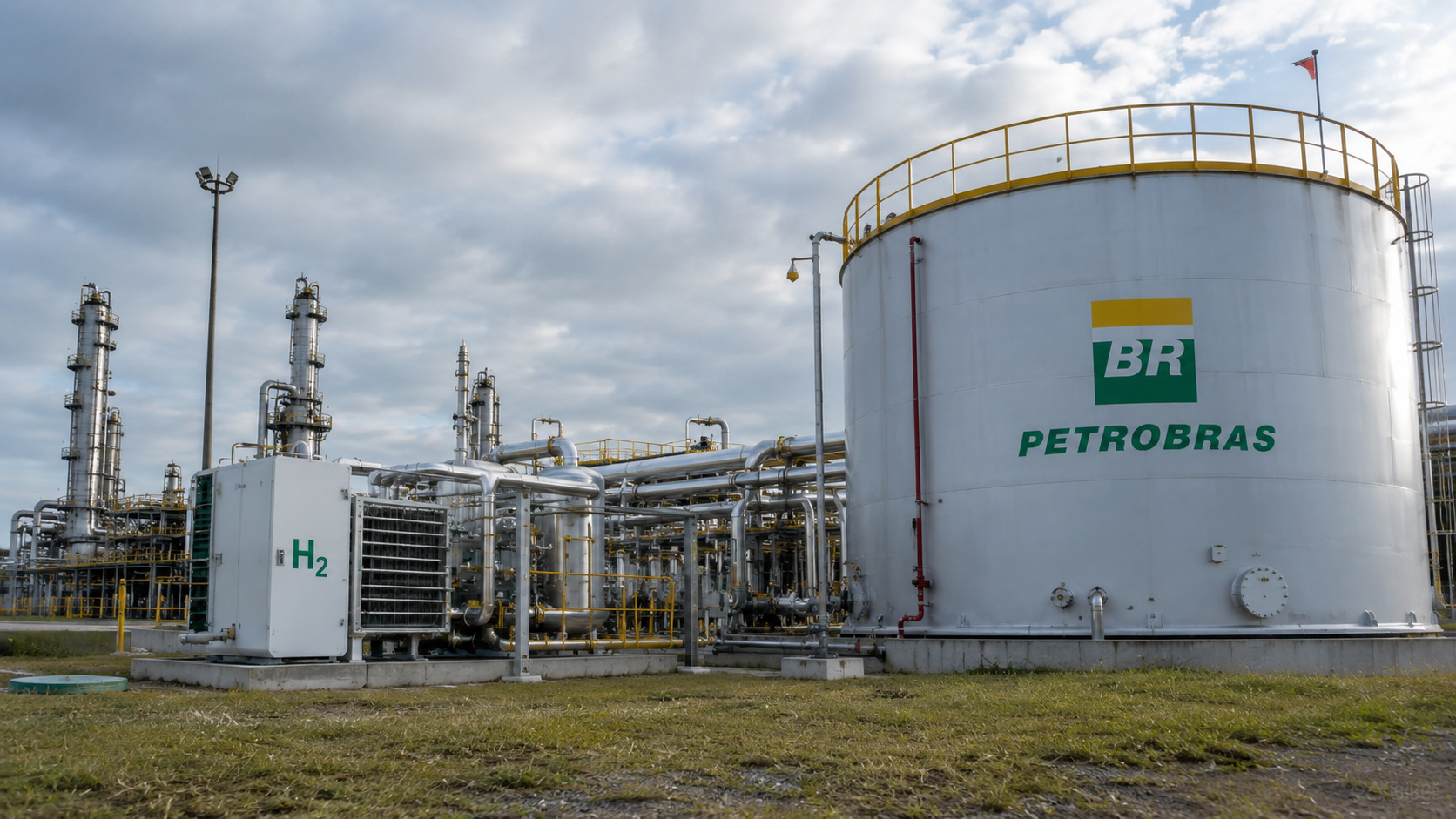
Brazilian scientists are simultaneously advancing two research projects on clean hydrogen and driving solutions that could transform the energy matrix, enhance industrial competitiveness, and accelerate large-scale emission reduction targets.

-
Advancement in renewable energy: A R$ 150 million project launched by Petrobras and Finep aims to create state-of-the-art electrolyzers for green hydrogen, strengthening national research and preparing Brazil to compete in a billion-dollar energy market.
-
Solar energy can increase property value by up to 10% and become a selling point.
-
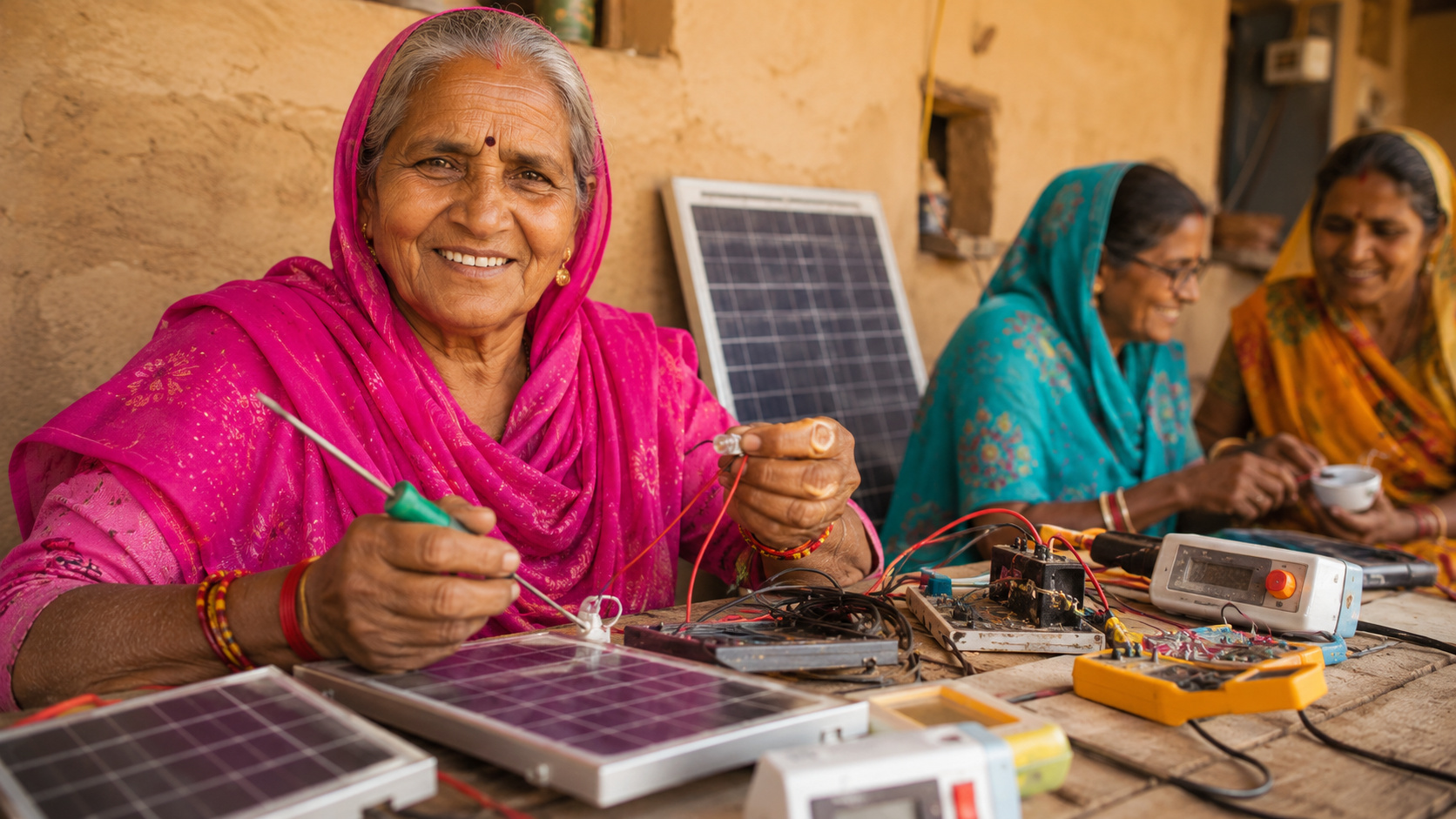
Illiterate or semi-literate grandmothers were trained to repair solar systems, open rural workshops, and light up homes that still depended on kerosene.

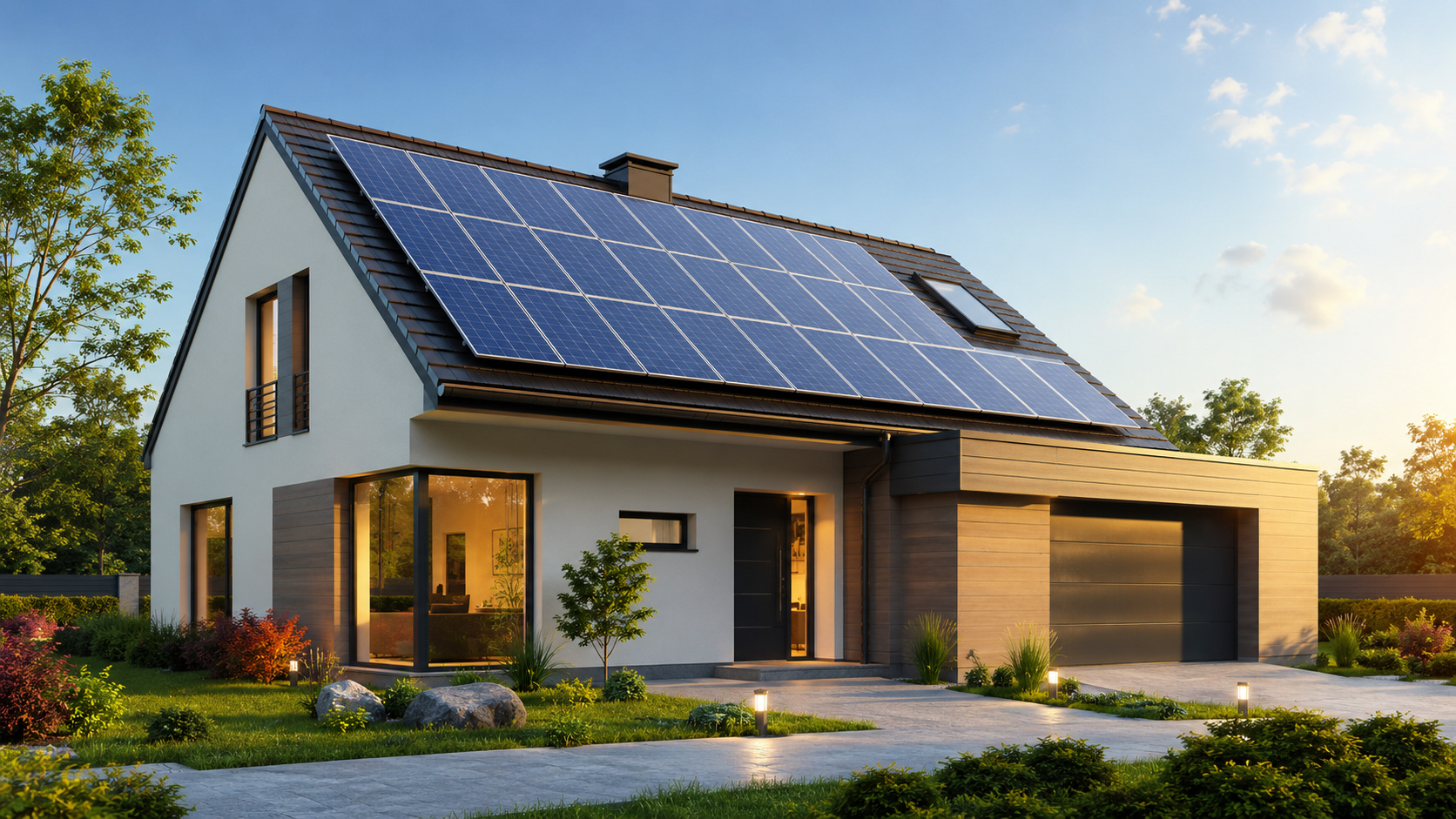
Currently, most connections occur in residences, although businesses, industries, rural properties, and public buildings have also increased the use of photovoltaic energy in recent years.
Growth of Solar Generation and Impacts on the Electric Sector
With over 5 million consumer units supplied by self-generation, the country achieved an installed capacity of approximately 22 gigawatts (GW) just in distributed generation.
This number is equivalent, for example, to the entire installed capacity of the Itaipu Dam, one of the largest hydropower plants in the world.
Thus, distributed solar generation begins to play a strategic role in the diversification of the Brazilian energy matrix, which traditionally relies on hydro sources.
On the other hand, challenges for the electric sector are also increasing. With the growing penetration of solar energy in distribution networks, utilities need to invest in technology, digitalization, and storage to ensure stability in supply.
Moreover, managing the flow of energy between consumers and generators becomes increasingly complex, requiring new solutions in monitoring and automation.
Photovoltaic Energy as a Driver of the Green Economy
The growth of distributed solar generation also drives other economic sectors. According to market estimates, each new system installed generates between 3 to 4 direct and indirect jobs.
Thus, the advancement of solar energy in Brazil contributes not only to the decarbonization of the economy but also to income generation, professional training, and the dissemination of clean technologies.
Another relevant factor is the impact on the reduction of electricity bills for consumers. Those who generate their own energy can significantly decrease their electricity costs, especially in a scenario of rising tariffs and water scarcity.
Prospects for the Coming Years
For the coming years, the sector’s expectation is to maintain the growth rate. This is because Brazil has great solar potential, in addition to a market still in expansion.
With consistent public policies, accessible financing lines, and increased environmental awareness, millions of Brazilians are expected to adopt self-energy generation.
Moreover, the evolution of energy storage systems, such as residential batteries, should further strengthen the role of distributed generation.
Thus, the combination of technological innovation, favorable regulation, and societal participation points to a more sustainable, decentralized, and accessible energy future.





-

1 person reacted to this.