Portuguese
  Spanish


Solar Energy Boosts the Caatinga, Strengthening Its Energy Matrix, but Warns of Vegetation Loss and Environmental Conservation Challenges in the Biome.
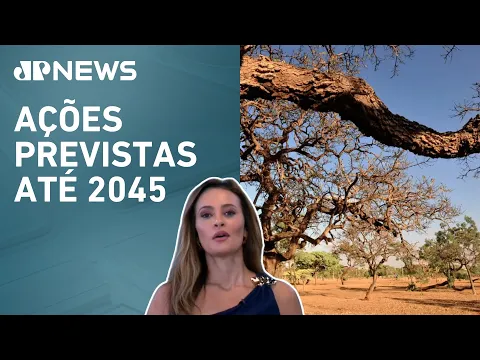
The Caatinga, the only exclusively Brazilian biome, has gained prominence in recent years as an important hub of energy transition in Brazil.
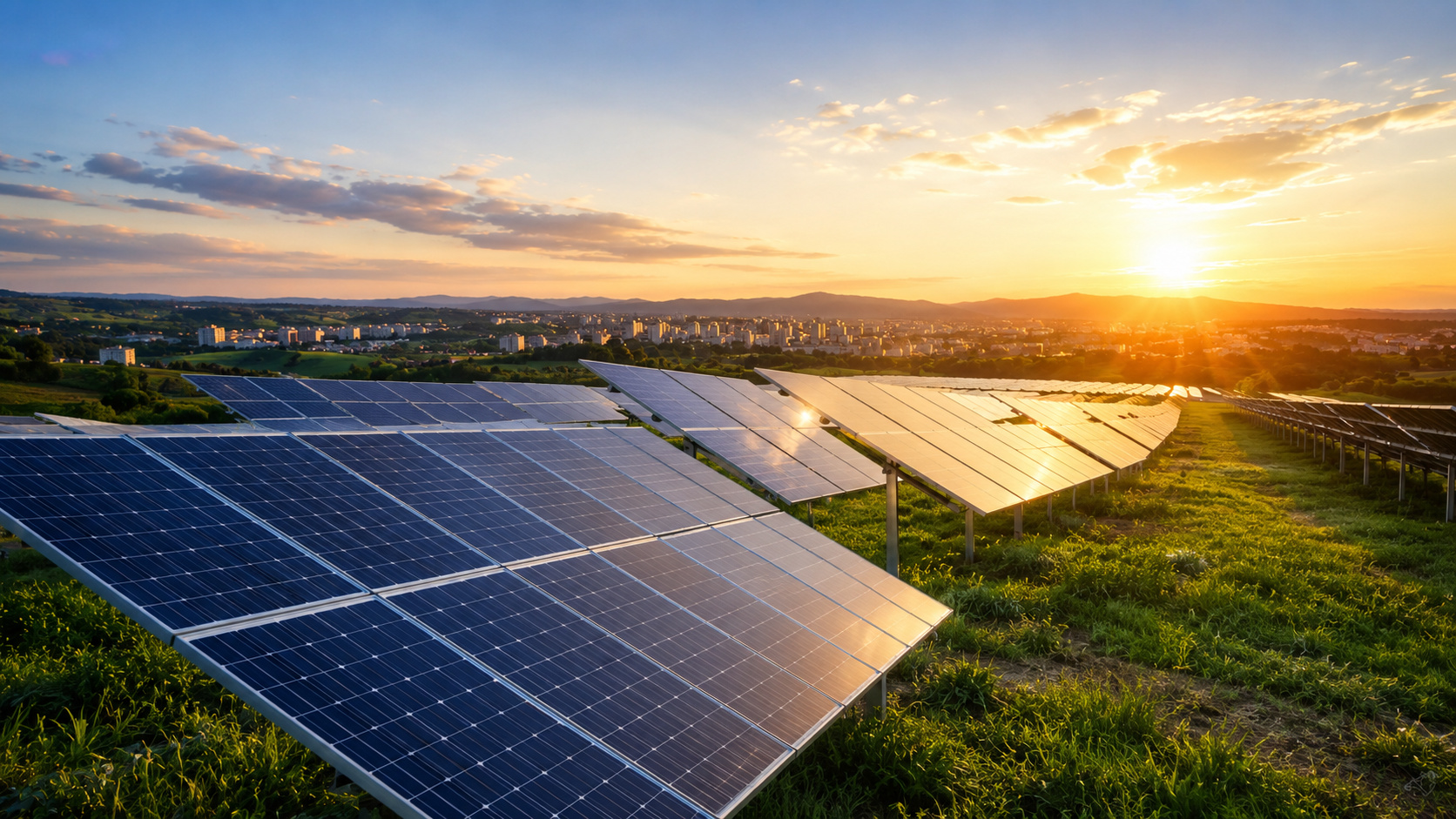
With its semi-arid climate and significant solar incidence, the biome concentrates most of the country’s photovoltaic plants. Consequently, about 62% of the areas dedicated to solar energy are in the Caatinga, making it a key player in the search for clean energy sources.
However, this advancement raises environmental concerns, as the expansion of energy infrastructure occurs in the context of native vegetation degradation, deforestation, agricultural expansion, and wildfires.
-
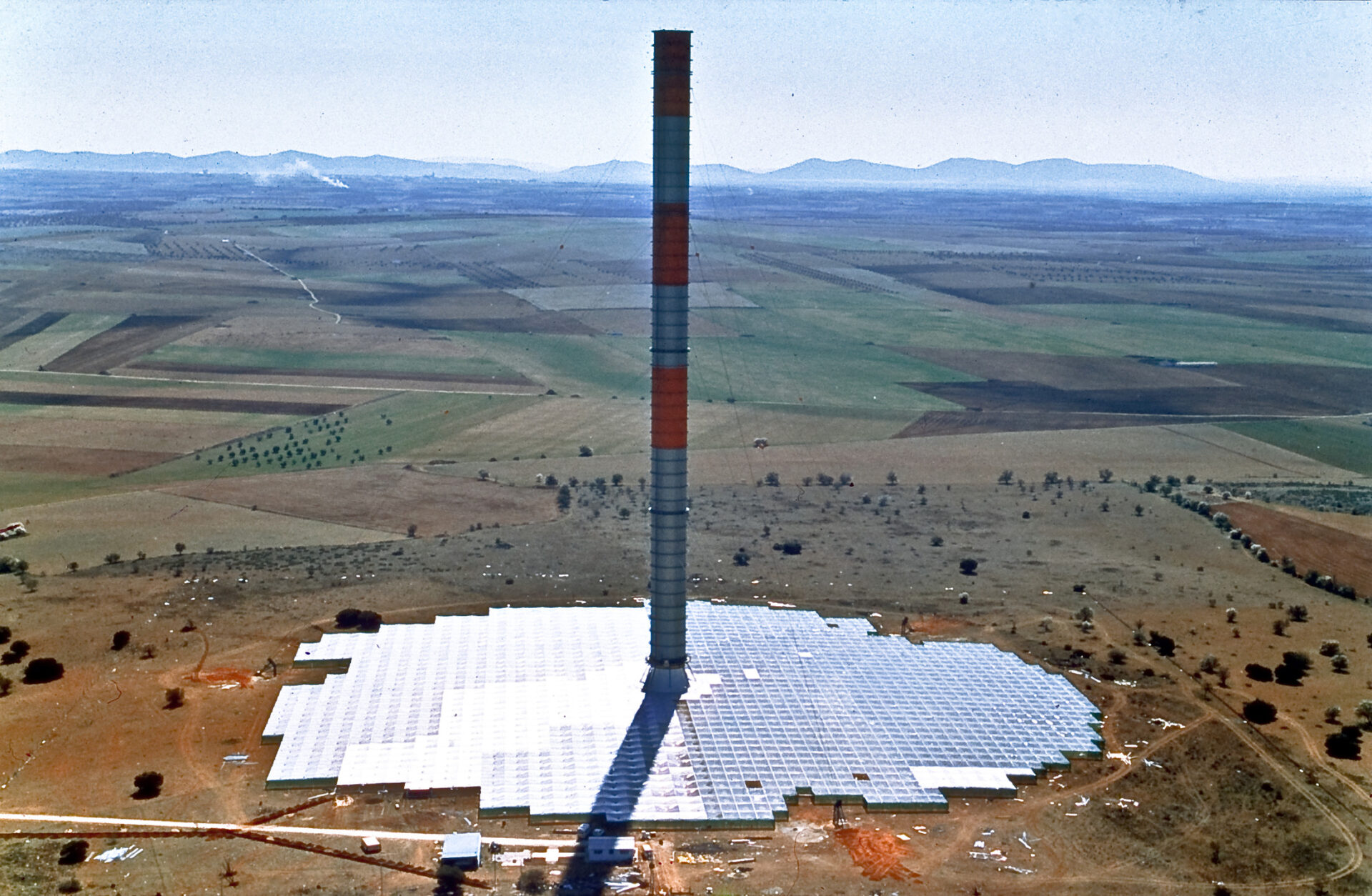
Solar Chimney in Spain Harnessed Sun to Generate Electricity for 7 Years Without Burning Fuel

-
Solar energy reaches 55 GW, becoming the second largest power source in Brazil’s energy mix

-
Solar energy can increase property value by up to 10% and become a selling point.
-
Solar and wind energy surpass natural gas for the first time in the world and accelerate energy revolution


Historically, the Caatinga has always resisted drought conditions and poor soils. Moreover, its communities and ecosystems have coexisted in balance with traditional human activities, such as subsistence agriculture and plant extraction.
However, in recent decades, pressure on the territory has increased significantly. Between 1985 and 2024, the biome lost about 14% of its original vegetation, equivalent to approximately 9.25 million hectares.
Therefore, even before the large-scale installation of solar energy, the Caatinga faced challenges related to environmental preservation and sustainable land use.
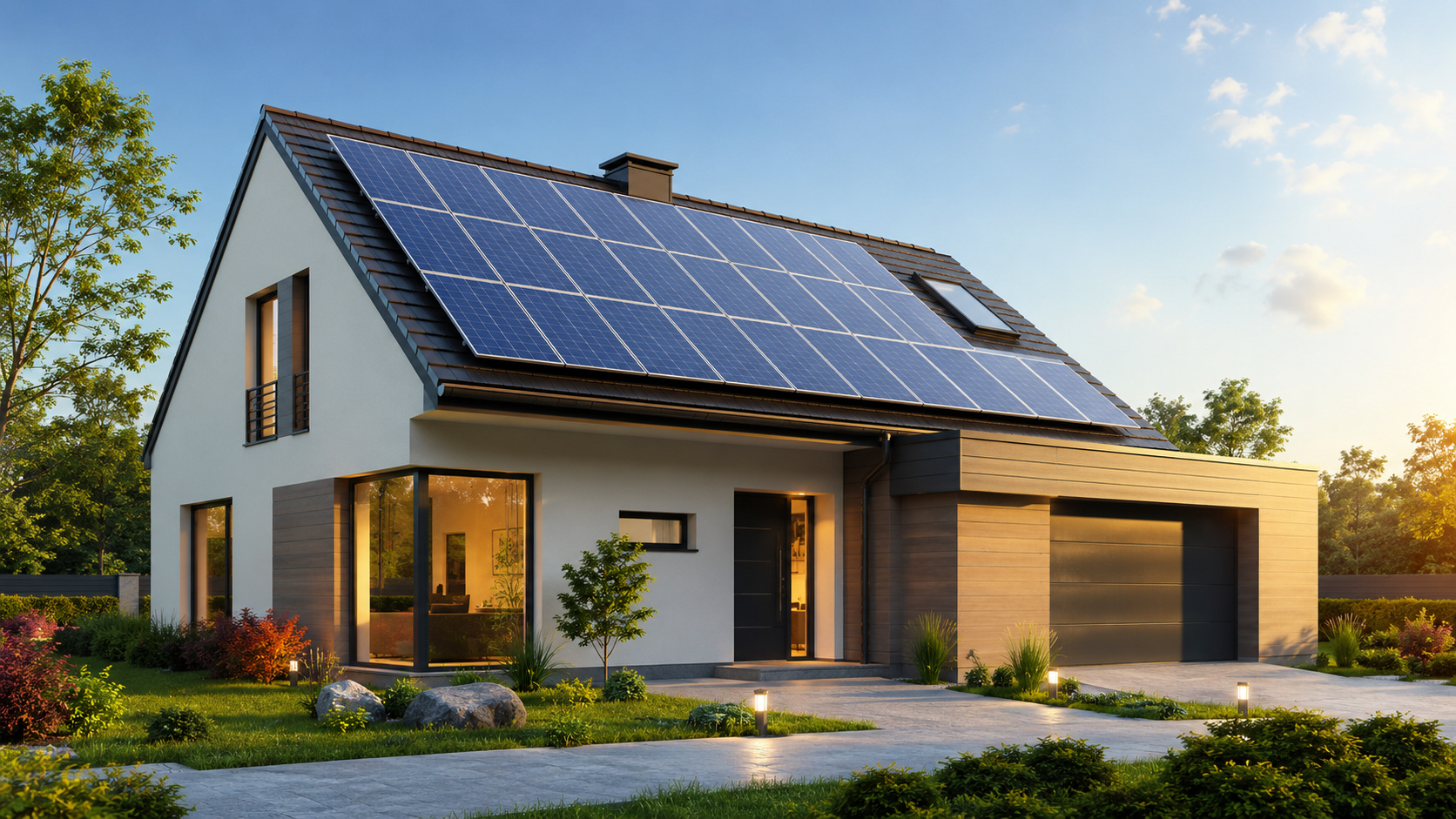
The growth of photovoltaic plants significantly contributes to the country’s clean energy matrix, but it is not without impacts. Currently, the areas dedicated to solar energy in the Caatinga total 21,800 hectares, with Minas Gerais concentrating 26% of this total.
Moreover, managers need to carefully choose areas for new solar plants. Converting natural vegetation into energy infrastructure requires balance with conservation policies, ensuring that local ecosystems remain healthy.
Solar Energy Boosts the Caatinga: Transformations of the Biome and Environmental Impacts
Much of these areas originated from savanah and forest vegetation, while a smaller portion consisted of pastures.
Thus, the transformation of land use illustrates a recurring dilemma in various regions of the world: expanding renewable energies without compromising local biodiversity.
The MapBiomas study reveals that, although the Caatinga still conserves 59% of its native vegetation, human action has significantly altered the landscape over four decades.
Consequently, pastures have grown by more than 100%, while agriculture increased by 1,636%, currently occupying 1.7 million hectares.
Thus, human impact on the biome is longstanding, and the installation of solar plants arises in a context already marked by environmental transformations.
In addition to vegetation loss, another historic problem in the Caatinga is wildfires.
The savanah formation, which constitutes an important part of the biome, suffers more from annual fires. In the past 40 years, 11.4 million hectares have been burned, an area larger than the territory of Portugal.
Moreover, these fires, often linked to inadequate agricultural practices or pasture expansion, degrade the soil, reduce biodiversity, and diminish the biome’s natural capacity to retain water.
Water use in the Caatinga also presents challenges. Between 1985 and 2024, the biome lost 21% of its natural water surface, totaling about 66 thousand hectares.
Therefore, most of the remaining water is concentrated in hydroelectric plants, mainly in the São Francisco river basin, highlighting the historical scarcity of water resources.
Moreover, water management needs to focus on the sustainability of the biome.
The presence of reservoirs and human intervention in watercourses alter the natural balance, affecting both fauna and flora adapted to semi-arid conditions.
Opportunities of Solar Energy in the Biome
Despite environmental concerns, the expansion of solar energy in the Caatinga offers Brazil a unique opportunity to reduce its dependence on fossil sources and progress in the decarbonization of the energy matrix.
The country has extraordinary solar potential, especially in the Northeast, and the Caatinga, with its territorial extent and favorable climate, provides ideal conditions for producing clean energy.
Moreover, this technology can generate jobs, encourage research in sustainable energies, and strengthen the local economy.
For the energy transition to be sustainable, it is necessary to integrate energy planning and environmental conservation.
Conservation Units (UCs) play a crucial role in this process. Currently, 10% of the Caatinga territory has UCs, which hold 13% of the biome’s native vegetation.
These areas need reinforcement and expansion, ensuring that the installation of new solar plants does not compromise regions of high ecological value or harm biodiversity.
Moreover, the development of solar energy in the Caatinga should consider local communities, who depend on family farming, small-scale livestock, and extraction.
On the other hand, energy projects can integrate rainwater harvesting systems and community gardens, promoting environmental and social resilience.
Thus, solar energy generates electricity and contributes to the sustainable development of semi-arid regions.
Sustainability and Future Planning
Well-planned projects can offer social and economic benefits, such as access to electricity, professional training, and additional income, but must respect territorial rights and the ways of life of communities.
Territorial planning needs to consider the historical dynamics of the region. The Caatinga resulted from millions of years of evolution, with species adapted to semi-arid climate and poor soil.
Each transformation in the landscape, whether by deforestation, agricultural expansion, or solar energy installation, alters the ecological balance of the biome.
Therefore, it is essential that the expansion of solar energy occurs in an integrated manner, considering energy efficiency, preservation of native vegetation, maintenance of biodiversity, and conservation of water resources.
In a broader context, the growth of solar energy in the Caatinga reflects the global need for a transition to renewable energies.
Countries face similar dilemmas: balancing energy development and environmental protection. Thus, the experience of the Caatinga can serve as a model for other semi-arid regions, showing that it is possible to expand clean energy sources with planning, monitoring, and effective public policies.
In summary, solar energy decisively boosts the Caatinga, strengthening the biome’s role in the national energy matrix and creating new development opportunities.
At the same time, it underscores the urgency of conservation policies that protect native vegetation, water resources, and traditional communities.
The history of the Caatinga teaches that the balance between progress and preservation is possible, but it depends on conscious decisions, strategic territorial planning, and a commitment to sustainability.
As Brazil moves towards a cleaner energy matrix, the Caatinga remains a symbol of the complexity of this transition: a territory with enormous energy potential that needs to be valued and protected.
Thus, solar energy can become a driver of sustainable development, not a factor of environmental degradation.