






 Portuguese
  Spanish


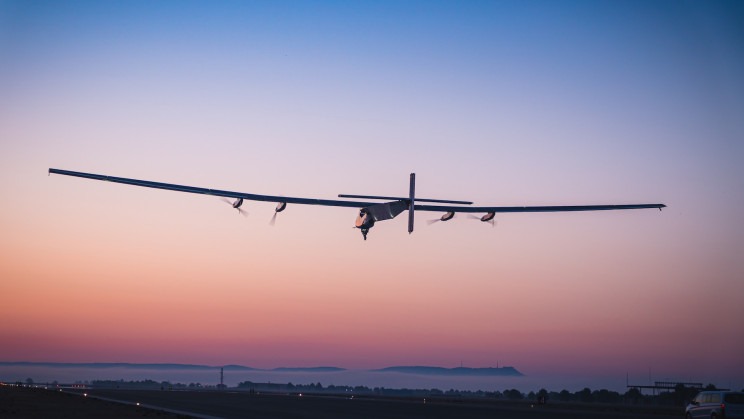

Company Works on Solar Aircraft Capable of Flying Continuously for 90 Days
The U.S. Navy will have in hand a solar aircraft with enormous autonomy, giving even more power to Americans in the sector. This is the Skydweller, an aircraft that will have solar panels installed on its wings. The equipment promises great autonomy and significant cost reduction.
Behind the project is Skydweller Aero, a Hispanic-American company that aims to develop the equipment to give even more power to the U.S. Navy in its operations at sea. The aircraft is expected to be used by the Navy as another way to monitor areas near its ships.
How Will It Stay in the Air So Long?
The company knows that to stay in the air for so long, a large wingspan from tip to tip is necessary. It has a total wingspan of 71 meters, with about 270 square meters of area to be covered by solar panels for solar energy generation.
-
Brazilian scientists are simultaneously advancing two research projects on clean hydrogen and driving solutions that could transform the energy matrix, enhance industrial competitiveness, and accelerate large-scale emission reduction targets.

-
Advancement in renewable energy: A R$ 150 million project launched by Petrobras and Finep aims to create state-of-the-art electrolyzers for green hydrogen, strengthening national research and preparing Brazil to compete in a billion-dollar energy market.
-
Illiterate or semi-literate grandmothers were trained to repair solar systems, open rural workshops, and light up homes that still depended on kerosene.
-
The world has bet on green hydrogen as the fuel of the future, but now faces the side effect: producing 1 kilogram requires about 9 liters of ultrapure water, and the largest projects on the planet are precisely in the driest regions of the Earth, where water is already scarce for people.




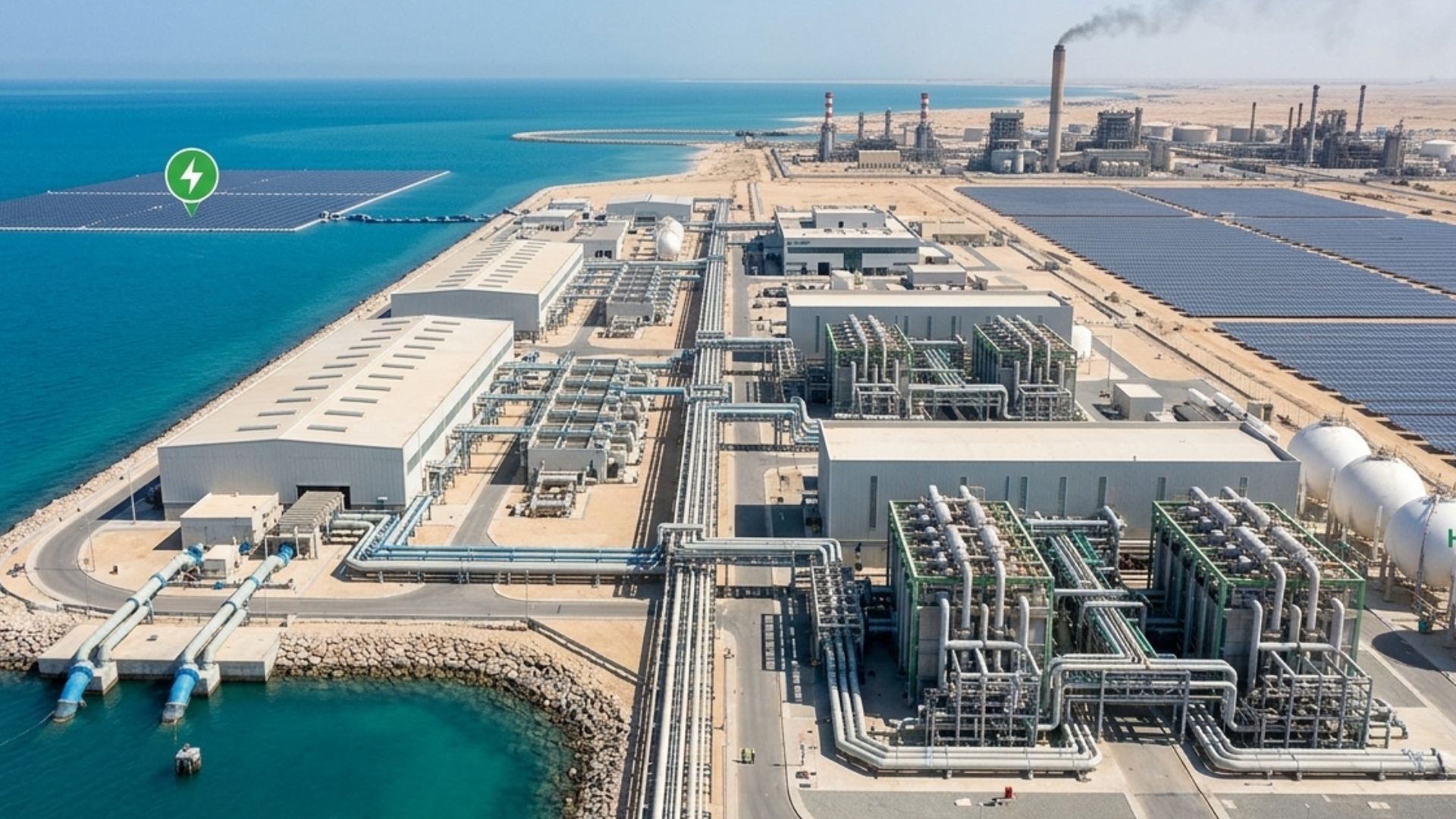
In addition to helping the environment, the aircraft had the pilot’s cabin removed, allowing for an increase in its autonomy. The payload capacity, such as radars and cameras, is approximately 400 kilograms. The project also envisions the installation of hydrogen cells as a backup.
“It’s a huge cost-saving for the U.S. government when you look at the total cost of carrying out many of the national security missions we have,” said John Parkes, one of the founders of Skydweller, to Aviation Today.
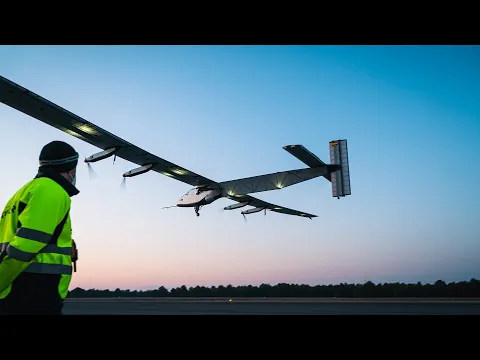

The project for the aircraft that will fly on solar energy will test in the coming months the autonomous flights of the Skydweller, including autonomous takeoffs and landings. After this phase, the testing phase for autonomy will begin, where engineers aim to keep the equipment in the air for 90 days or more.









