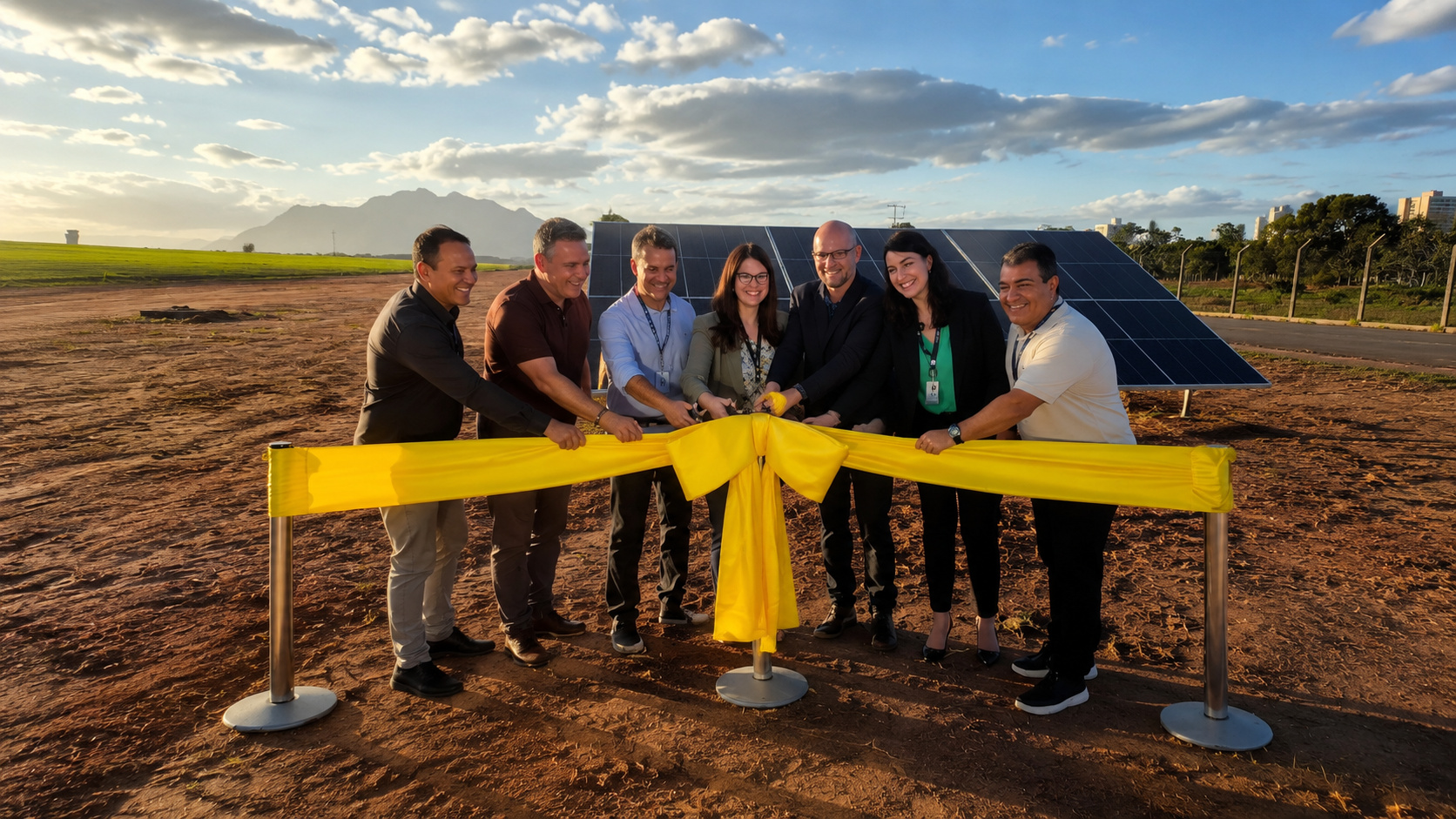
Portuguese
  Spanish


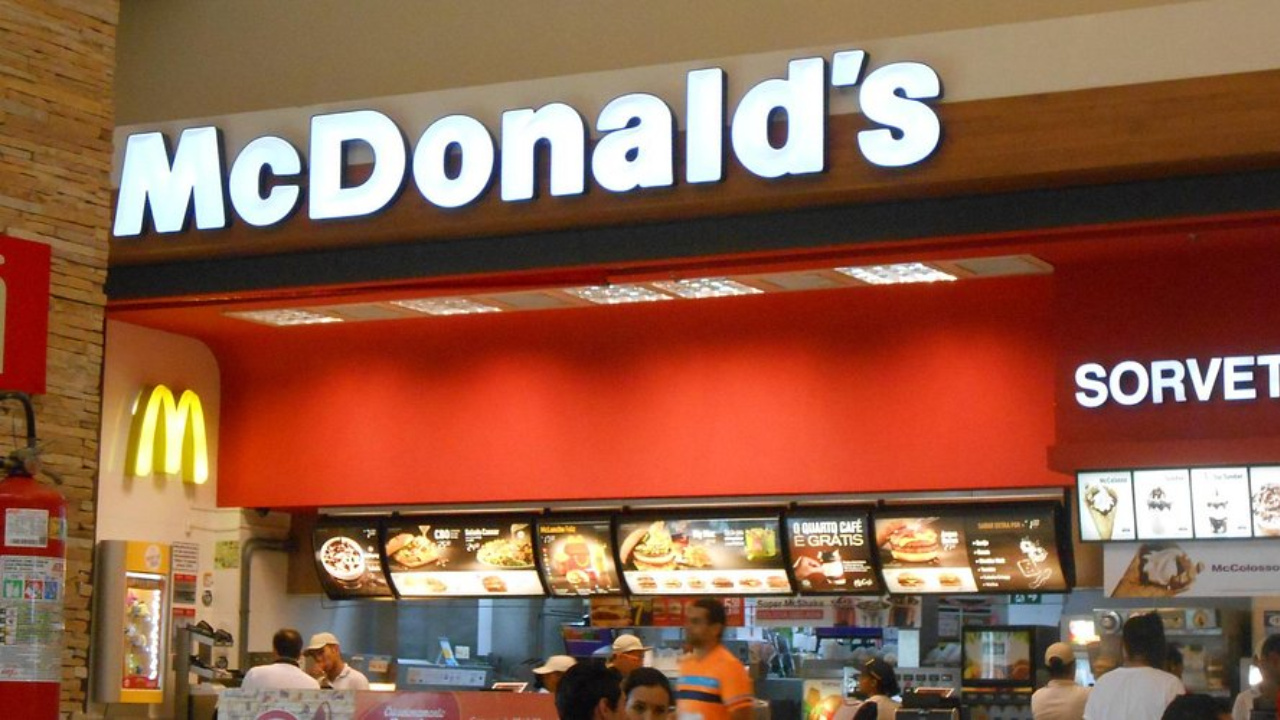

McDonald’s Expands Use Of Solar Energy In Minas Gerais By Signing Self-Production Contract With EDP, Reinforcing Decarbonization Goals And Cost Predictability In The Food Retail Sector.
Solar energy has been consolidating itself as one of the pillars of the energy transition in the retail and food sector in Brazil. In Minas Gerais, this movement gained new momentum with the increased consumption of renewable electricity by McDonald’s, through a partnership structured in the self-production model.
The initiative involves EDP and 38 franchisees of the McDonald’s System, ensuring continuous supply of photovoltaic energy for network units in the Southeast and South of the country.
The contract represents a strategic advance in the environmental agenda of Arcos Dorados, the operator of McDonald’s in Latin America. Furthermore, it reinforces the role of solar energy as a viable solution for large consumers seeking to reduce emissions, increase cost predictability, and align business operations with global sustainability commitments.
-
Solar Energy Booms in Brazil: Over $60 Billion Invested, 68.8 GW Capacity, 2 Million Jobs Created, Now Second in National Power Grid

-
Giant Batteries Take Center Stage in Chile Auction as Company Offers 960 GWh of Solar Energy for Nighttime Use, Aiming to Stabilize Solar Power Supply
-
World’s Largest Engie Solar Plant in Brazil Highlights Billion-Dollar Energy Waste Issue: Company Considers Batteries and Bitcoin Mining to Avoid Wasting Production

-
Over 60 Tractors Take to the Streets in Lopera as Solar Parks Compete with Olive Groves, Affecting 13,000 to 100,000 Trees According to Conflicting Reports

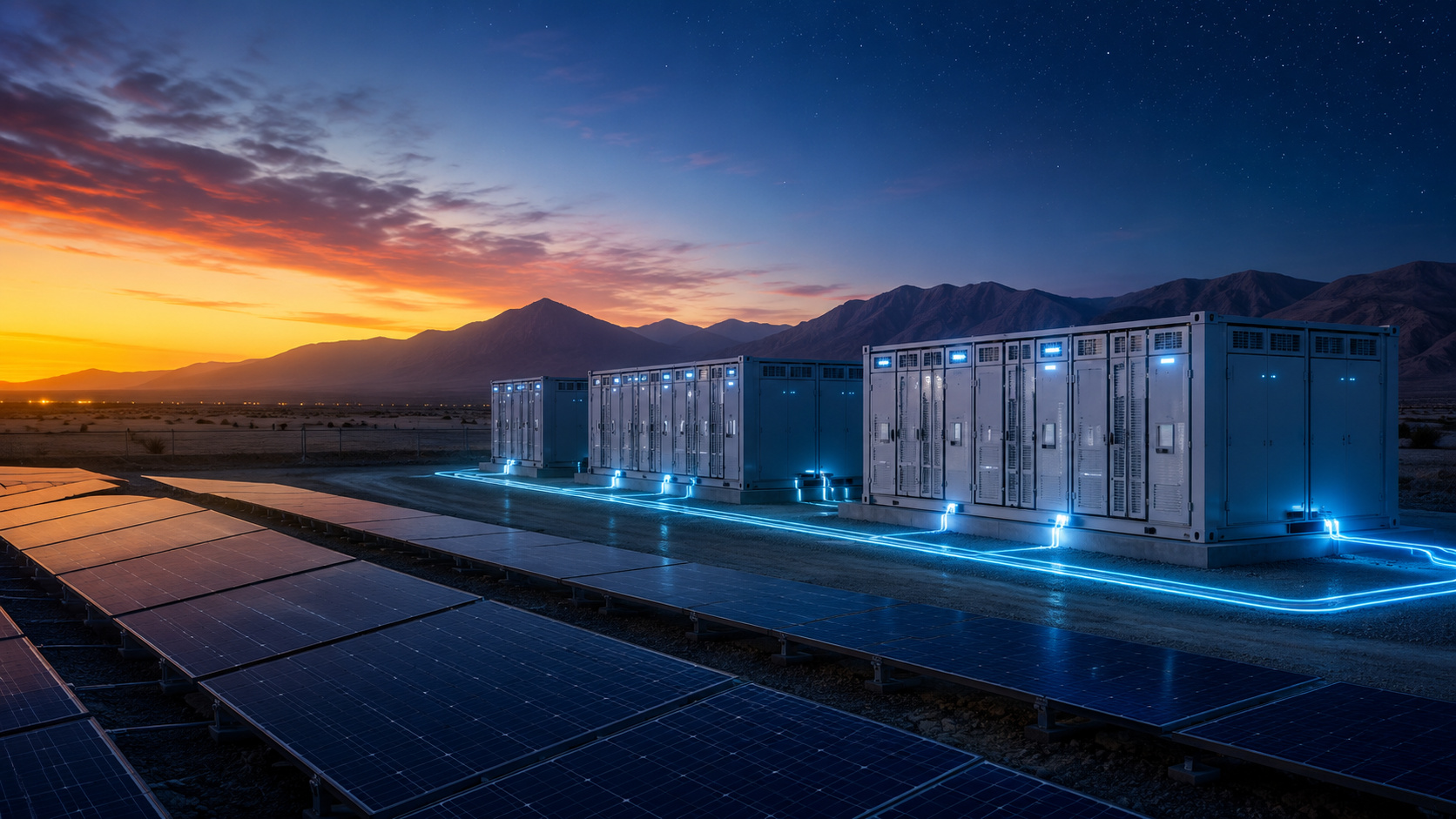


Self-Production Contract Expands The Scale Of Solar Energy Use
The signed agreement provides for the supply of 7 megawatts average (MWm) of solar energy for 156 McDonald’s units, including restaurants, cafés, and dessert kiosks. A significant portion of these operations is located in Minas Gerais, a state that has been receiving increasing investments in renewable sources.
The model adopted is that of energy self-production, with a contractual term of 12 years. In practice, this means that franchisees gain direct access to the generated energy, reducing exposure to electricity market volatility and strengthening long-term financial planning.
All the clean electricity contracted is produced at the Novo Oriente Plant, the largest photovoltaic solar complex in the state of São Paulo. Located in Ilha Solteira, the project is operated by EDP and has become one of the main solar assets in Southeastern Brazil.
Environmental Impact Consolidates The Role Of Solar Energy In Emission Reductions
In addition to financial predictability, the contract generates measurable environmental impacts. The solar energy supplied to McDonald’s units helps avoid the emission of approximately 3,000 tons of carbon dioxide (CO₂) per year. This volume is roughly equivalent to planting more than 20,000 trees over 20 years.
Another relevant element of the agreement is the annual issuance of about 61,000 international renewable energy certificates, known as I-RECs. These certificates ensure the traceability of the consumed energy and certify its clean origin, an aspect increasingly valued by companies that report ESG indicators.
According to the companies involved, the supply of solar energy has been operational since January of this year, demonstrating the maturity of the self-production model in the Brazilian market.
Solar Energy Strengthens The ESG Agenda Of Arcos Dorados
In Brazil, Arcos Dorados has been consistently increasing the use of renewable sources. Currently, about 96% of the energy consumption of the company’s own restaurants is met by renewable energy, a high rate for the out-of-home food sector.
This trajectory is part of the company’s ESG platform, called “Future Recipe,” which encompasses environmental, social, and governance commitments throughout its operations. Therefore, the expansion of solar energy use is not isolated but integrated into a broader corporate strategy.
By adopting self-production contracts, the company also strengthens its ties with its franchisees, offering solutions that combine operational efficiency, long-term cost reduction, and enhance the local reputation of its brands.
Electric Sector Sees Progress In Solar Self-Production For Large Consumers
From the perspective of the energy market, the agreement highlights a clear trend: large consumers, such as retail and food chains, are migrating to self-production models and long-term contracts based on solar energy.
These solutions allow for greater cost control, reduction of carbon footprint, and alignment with investor and consumer demands. At the same time, they enhance the portfolio of companies in the electric sector that operate in the development, operation, and commercialization of renewable assets.
For EDP, the partnership with McDonald’s franchisees reinforces the company’s presence in the solar generation and self-production segment. The company thus expands its service to large national and international brands, consolidating its role in integrated energy solutions.
Statement From Arcos Dorados Highlights The Strategic Value Of The Partnership
The long-term vision of the initiative was highlighted by the president of Arcos Dorados Brazil Division, Rogério Barreira. Commenting on the agreement, the executive emphasized that the partnership with EDP goes beyond an operational decision and is directly linked to the company’s global sustainability commitments.
“We have sought to work side by side with partners who share the same purpose: to reduce the environmental impacts of our processes and operations. More than a strategic decision aligned with the company’s sustainable goals, this initiative also creates value for our franchisees by offering more efficient solutions that enhance the reputation in the locations where they operate. We believe that this movement serves as inspiration for the entire sector, showing that collaboration and shared responsibility are essential in paving the way for a more innovative, responsible, and energy-efficient future,” he emphasized.
The statement reinforces that solar energy has taken on a central role in the company’s business strategy.