Portuguese
  Spanish


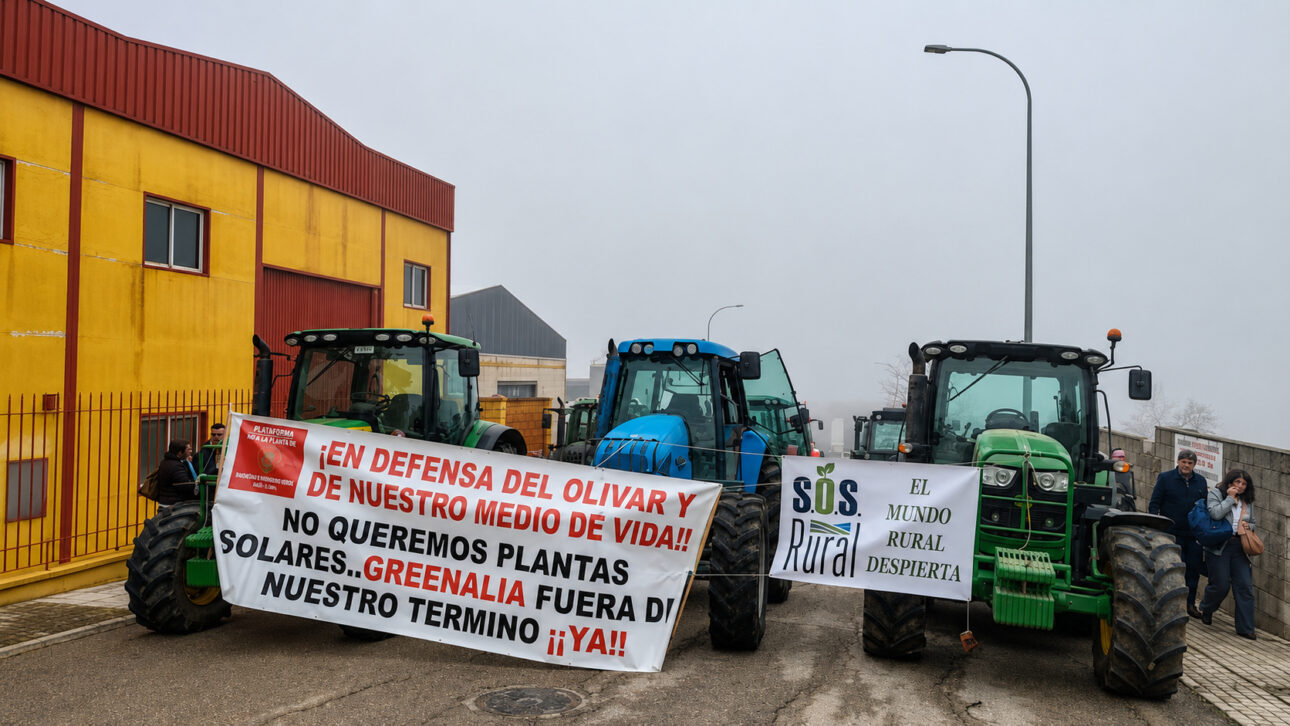
The protest on March 24, 2025, brought solar parks, expropriations, olive trees, and rural work into the same debate in Lopera. The dispute involves leased areas, power lines, and numbers that use different bases.
More than 60 tractors took to the streets of Lopera, in Andalusia, on March 24, 2025. The mobilization brought together rural producers opposed to expropriations linked to solar parks and the lines that carry the generated electricity to the grid.
Cadena SER, a Spanish radio and local journalism network, recorded the presence of about 50 landowners at the protest, which also involved farmers from Arjona and Marmolejo. The concern involves the continuity of olive groves and rural income that depends on olive oil production.
The controversy does not have a single, closed number. The count of 13,000 olive trees is linked to areas affected by expropriation, while groups opposed to solar parks speak of up to 100,000 trees within a broader estimate.
-
Green Hydrogen Projects in Northeastern Brazil Stalled for 18 Months Awaiting Government Decree, Delaying Billions in Investments

-
Brazil Concludes Largest Energy Auction in History, Secures 18.97 GW and Mobilizes $12.8 Billion to Ensure Supply Until 2031
-
How Norway Produces More Energy Than It Consumes with Nearly 1,800 Hydropower Plants and Over 1,100 Reservoirs

-
Axia Energia Invests $280 Million in Q1, Increases Investments by 36%, and Turns Loss into $740 Million Profit


Power lines put rural properties at the center of the dispute
The protest was not only about the space occupied by solar panels. The discussion also reached high-voltage lines, structures used to carry electricity produced in solar parks to the power grid.
These lines need to cross rural properties. When there is no agreement between the landowner and the project executor, the area may enter an expropriation process.
In simple terms, expropriation is a procedure that may allow the use of private property for infrastructure considered of public interest. For the residents of Lopera, this point became the main reason for insecurity about the future of the lands.
Why 13,000 and up to 100,000 olive trees appear in different calculations in the dispute over solar parks
El País, a Spanish newspaper with national circulation and international coverage, detailed that the estimate of 13,000 olive trees is linked to the Declaration of Public Utility. This act could pave the way for the expropriation of areas used in the implementation of the structures.
The forecast presented by the regional government and the promoting company indicated 36,022 affected olive trees in the municipalities of Lopera, Arjona, and Marmolejo. Within this total, the 13,000 trees refer to the portion linked to the expropriation process.
The estimate of up to 100,000 olive trees encompasses a larger projection presented by groups opposing the solar parks. The difference shows why this number cannot be treated as the definitive quantity of trees removed.
Voluntary leasing separates part of the areas from expropriation
Leasing is the rental of land through a contract. In this situation, the owner allows the area to be used for a defined period and receives compensation for the use of the land.
An important part of the projects in Lopera advanced through this route. In the six parks detailed by regional authorities, 86% of the area intended for installations had a voluntary agreement between owners and the promoting company.
In the energy lines, voluntary contracts reached 80.5% of the planned surface. The dispute was concentrated on the remaining portion, where producers did not accept the use of their lands.
Rural work and solar parks produce different impacts
The olive groves are not just trees in an agricultural landscape. They support harvests, fieldwork, cooperatives, and an economic activity that is part of the lives of many families in the region.
For farmers who reject the projects, the removal of olive trees can reduce jobs and change the local source of income. The fear grows because traditional olive groves depend on labor at various stages of cultivation and harvest.
For owners who sign leasing contracts, the solar park can become a source of income linked to land rental. These two realities help explain why there is no single position among those who live in the region.
Solar energy and agriculture compete for the same space in Lopera
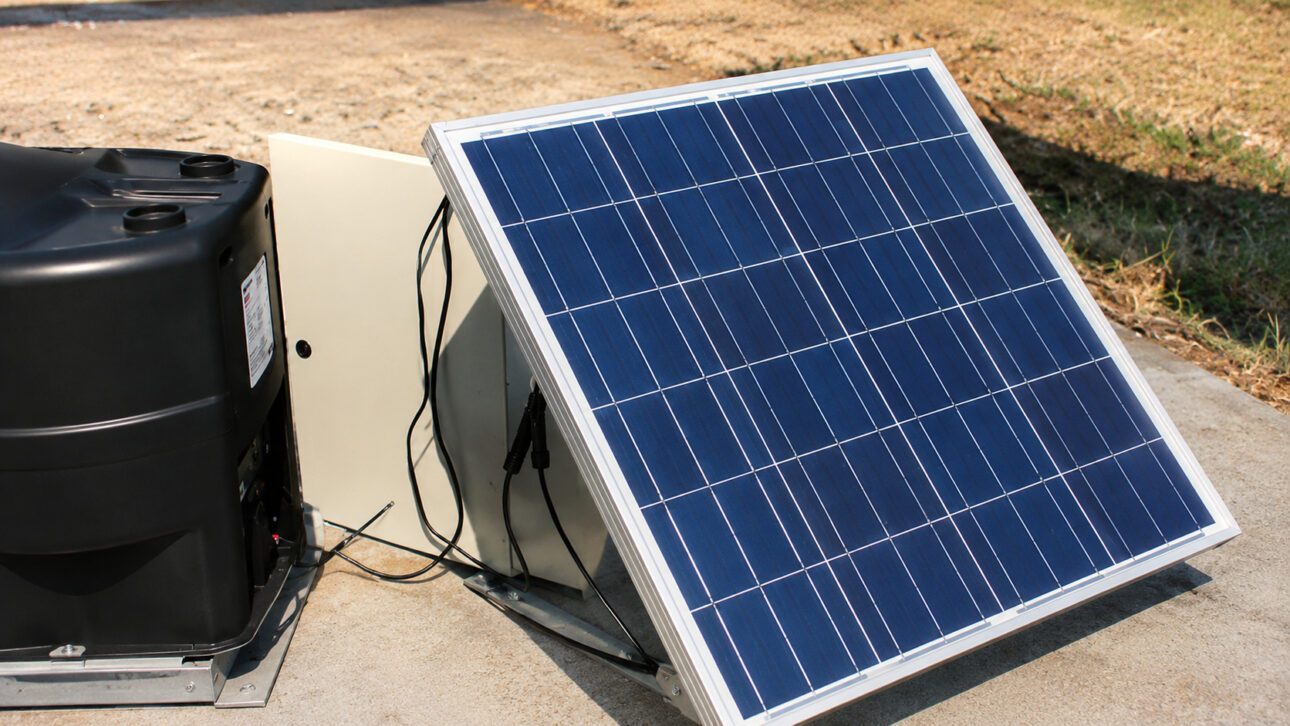
The expansion of solar energy requires large areas to accommodate panels, equipment, and transmission lines. In Lopera, these areas coincide with lands used for decades for olive cultivation.
The conflict does not just place agriculture on one side and electricity on the other. The discussion involves the chosen location for solar parks, the rights of those who live off the land, and how projects handle areas without voluntary agreement.
The mobilization of tractors showed that the transition to renewable sources also involves decisions about territory. The challenge is to expand energy generation without ignoring the impact on workers, producers, and rural landscapes.
The more than 60 tractors in Lopera turned a dispute over solar parks into a larger debate about income, property, and staying in the countryside. The protest took place on March 24, 2025, and put small landowners in front of projects advancing over a region marked by olive groves.
The data that requires more attention is the number of trees. The 13,000 olive trees are related to expropriation, while up to 100,000 appears as a contested estimate of broader impact.
In your opinion, how can solar energy grow without turning farmers and olive groves into part of a dispute over the territory itself? Leave a comment and share this publication.