Portuguese
  Spanish


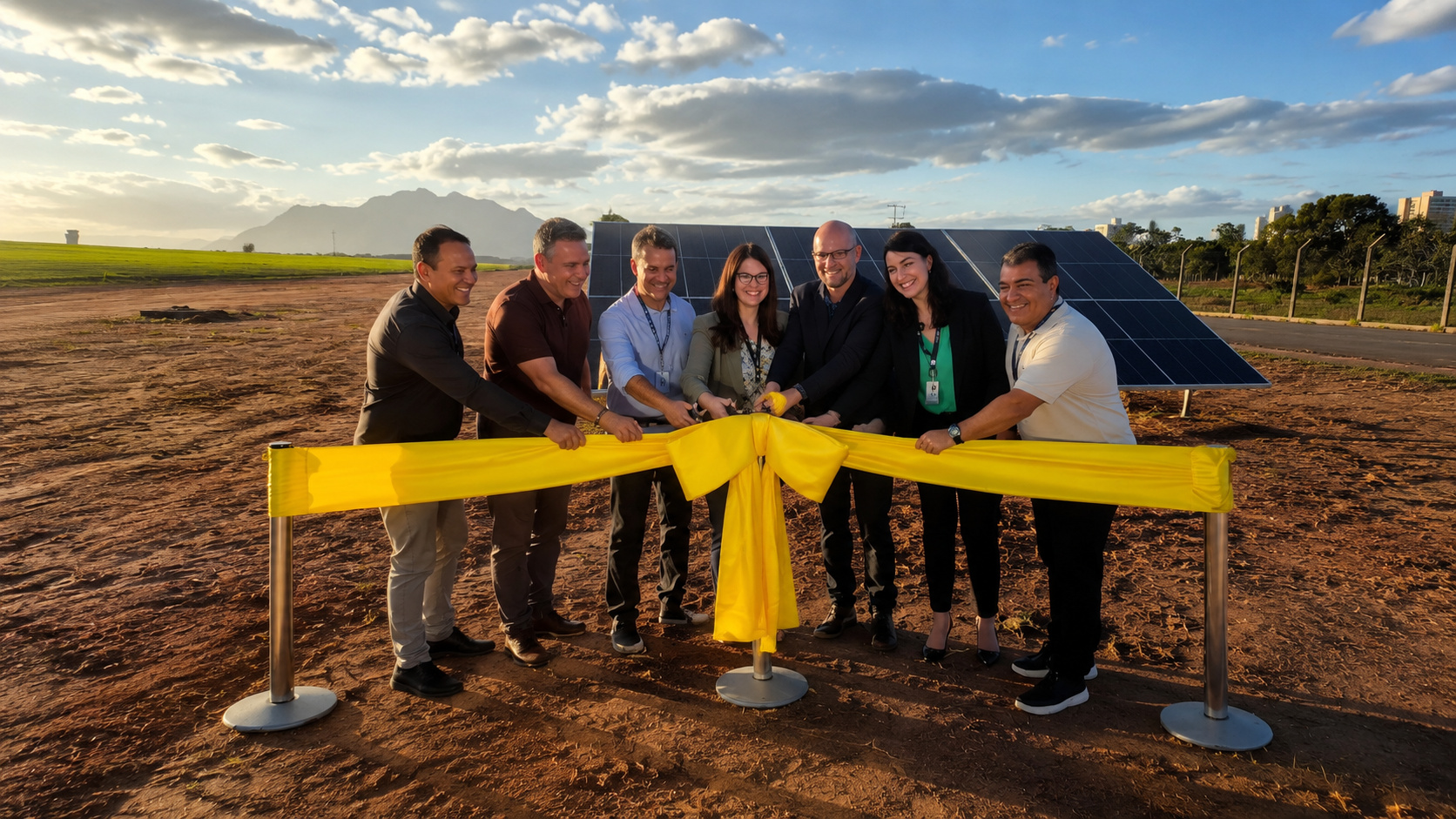

Learn how the solar plant at Vitória Airport, with an area of 10 Maracanã fields, will strengthen clean energy and the terminal’s efficiency.
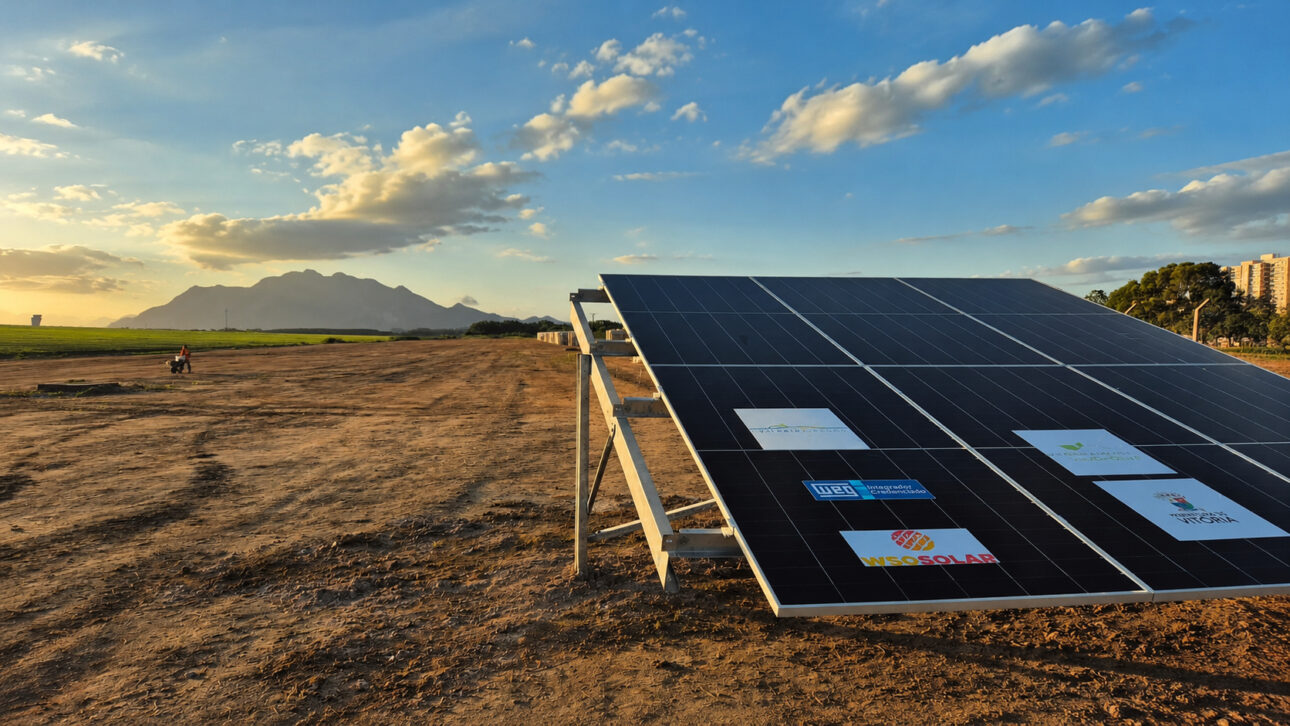
The Vitória Airport has started the construction of a solar plant complex with an investment of R$ 20 million from Zurich Airport Brasil. According to a publication by the portal A Gazeta on July 1, 2026, the project will occupy 7.2 hectares, equivalent to 10 Maracanã fields, positioning Espírito Santo as a national reference in sustainability.
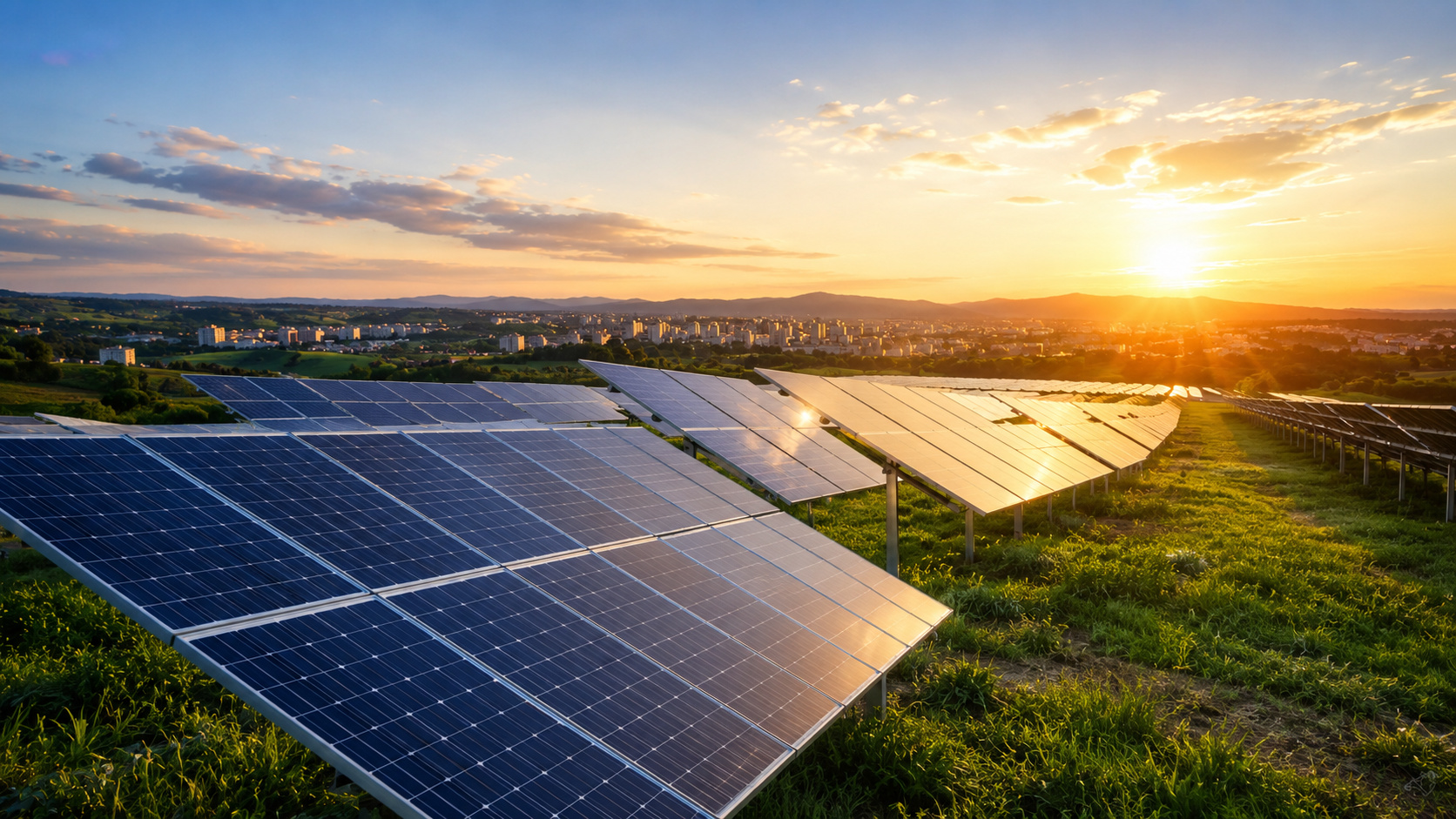
With nearly 8,000 photovoltaic panels and a capacity of 5,787 kWp, the structure will increase the generation of clean energy and reduce operational costs. Once fully operational, it will generate 769 MWh per month, enough to supply the entire passenger terminal or about 5,000 homes (with an average consumption of 150 kWh/month). The construction lasts eight months, creating 100 jobs, and full operation begins in February 2027.
The physical planning and distribution of the panels on the airport site
The photovoltaic complex will occupy strategic lands of the aerodrome without requiring any removal of native vegetation. The operations director of the concessionaire, Artemis Papanika, detailed the dimensions of the installation fronts:
-
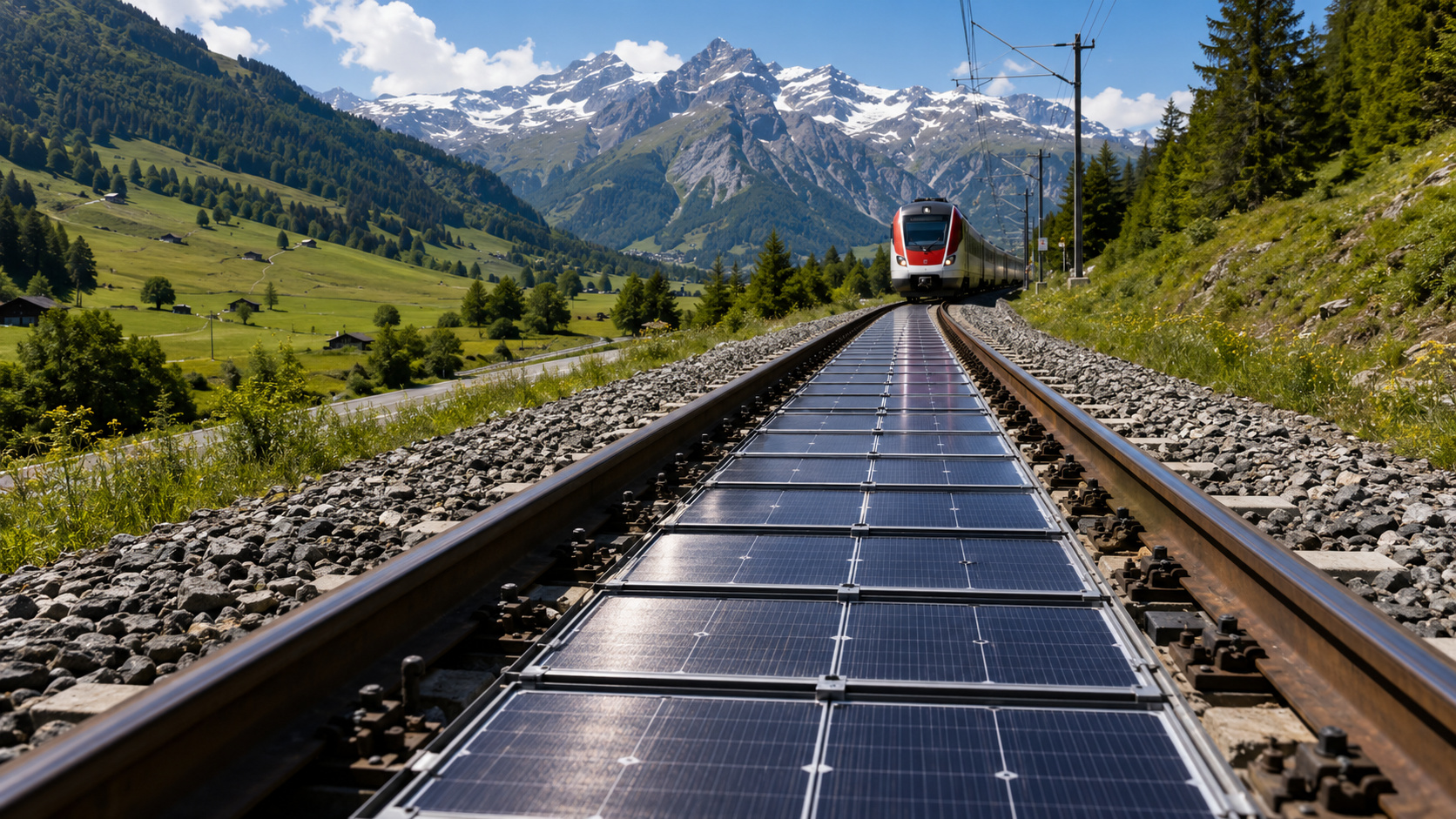
Switzerland Converts Train Tracks into Solar Power Plants with Removable Panels to Generate Energy Without Using Additional Land

-
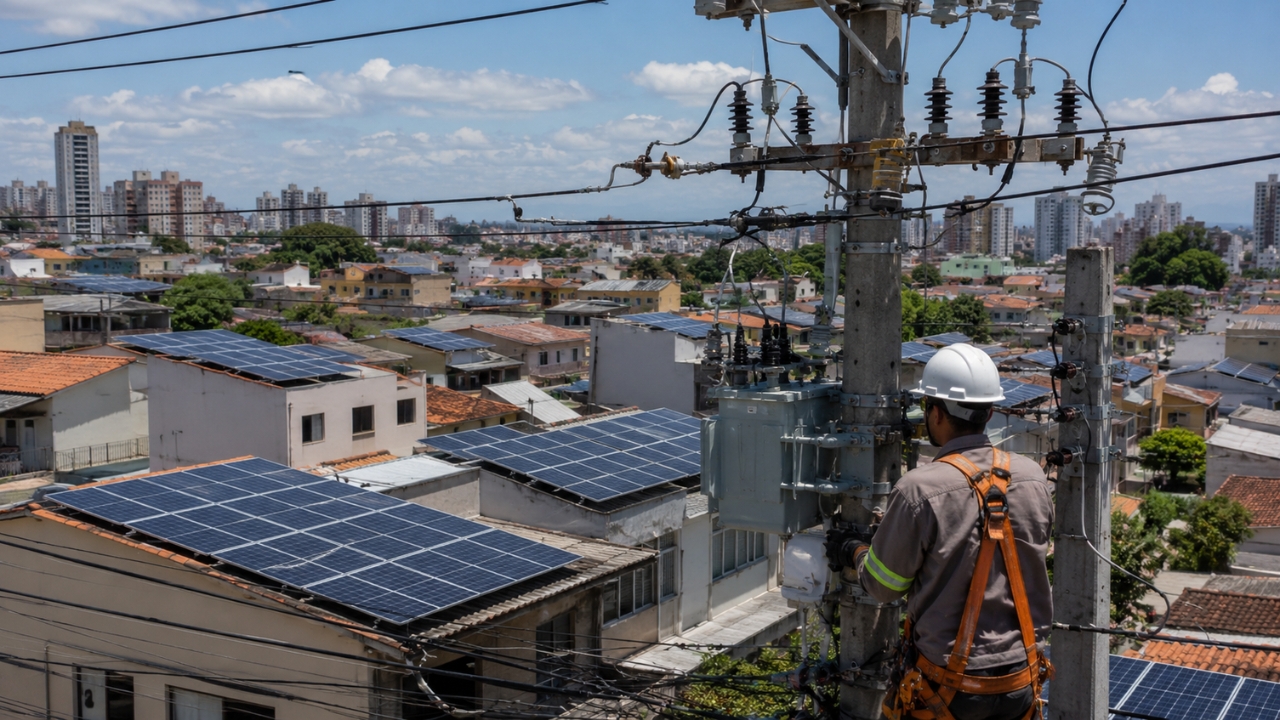
Surge in Solar-Powered Homes in Brazil Leads to Grid Strain and Connection Restrictions in Three States

-
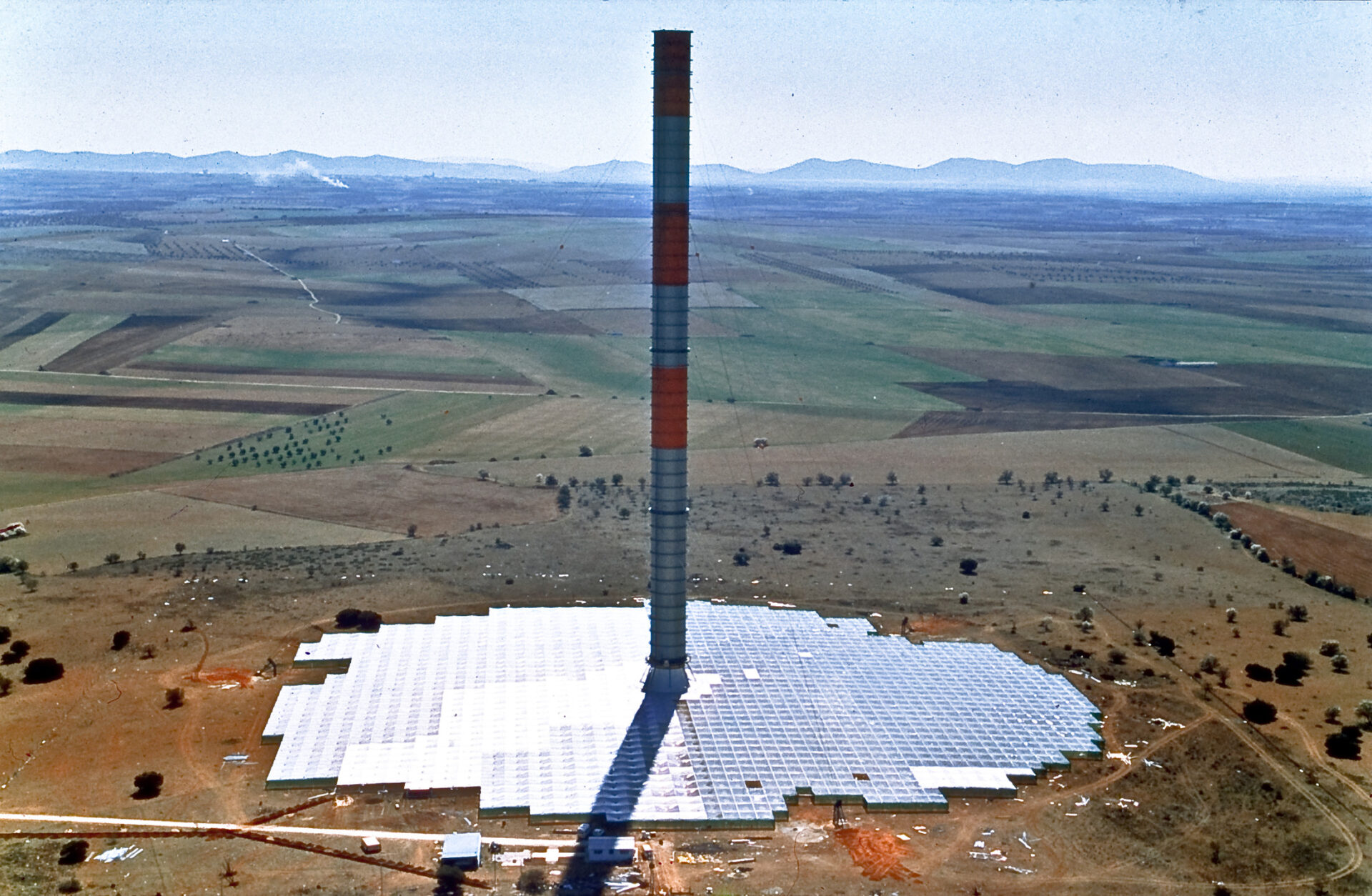
Solar Chimney in Spain Harnessed Sun to Generate Electricity for 7 Years Without Burning Fuel

-
Solar energy reaches 55 GW, becoming the second largest power source in Brazil’s energy mix
- Main area: 5.27 hectares located in a strip parallel to the North-South Highway;
- Complementary areas: two additional plots measuring 1.07 and 0.86 hectare.


Energy self-sustainability through a new solar plant
The pursuit of energy efficiency and decarbonization will place the Espírito Santo terminal at a highly selective level in the country. By consolidating its own solar plant, the Vitória Airport will achieve long-term operational and financial self-sustainability.
The transition to this clean matrix shields the location against the variations of conventional electricity tariffs. With the activation of the system, the Espírito Santo terminal will join the complexes of Macaé and Natal, forming the trio of energy self-sufficient Brazilian airports.
The technical schedule for the installation of the solar plant and network approval
Although the civil works and the installation of the modules have an estimated duration of eight months, the start of maximum operation depends on important technical and bureaucratic procedures.
The complete completion of all stages is scheduled for February 2027. This extended period encompasses the commissioning processes, the physical connection with the local electricity distributor, and the mandatory approval by regulatory bodies.
Collective environmental benefits and the production of clean energy
The replacement of traditional sources with clean energy will bring a huge ecological advantage to the local ecosystem. The regular operation of this large-scale photovoltaic complex will prevent the release of 505 tons of CO2 into the atmosphere each year.
According to the project’s environmental metrics, this mitigated volume of polluting gases corresponds to the carbon absorption and sequestration capacity of nearly 4,000 Atlantic Forest trees. According to Artemis Papanika, the initiative consolidates the brand’s identity as a modern sustainable operator.
The ecological history and global actions of Zurich Airport Brasil
The implementation of the new solar plant is part of a much broader environmental goal plan. Eurico de Aguiar Salles already executes other pioneering actions with consolidated results:
- Ground systems (since 2024): provides renewable electricity for parked aircraft, which avoided the emission of 6,600 tons of CO₂ in two years (equivalent to 51,000 trees);
- Solid waste management: directs 95% of waste for recycling, reuse, or composting, avoiding sending it to common landfills;
- Waste diversion: directed 123 tons of discarded materials to new production chains between January and May of the current year.
The future of sustainable aviation in the Espírito Santo scenario
The transformation of a space equivalent to 10 Maracanã fields into a clean energy plant marks a new era for air transport in Espírito Santo. The Vitória Airport proves that high logistical performance and socio-environmental responsibility can go hand in hand in Brazil.
By drastically reducing its carbon footprint and eliminating fixed operational costs with electricity, the terminal protects itself from market fluctuations and inspires other industries in the region. The consolidation of this project in February 2027 will leave a permanent legacy of innovation and preservation for the future of the country.