






 Portuguese
  Spanish


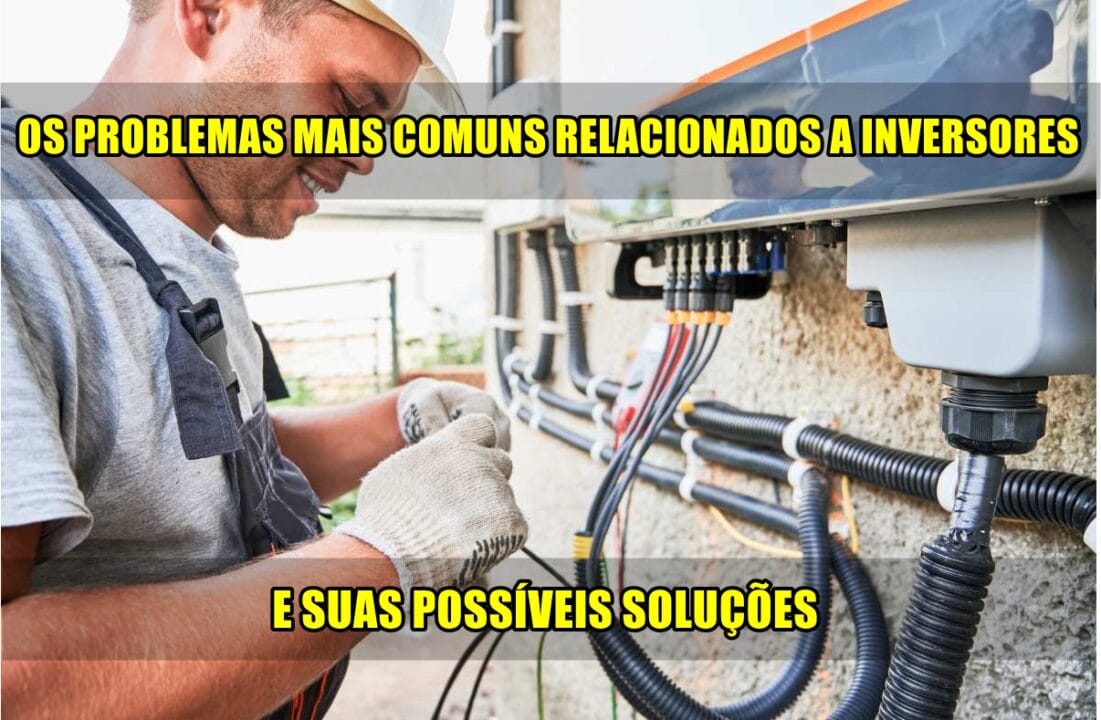


Quick Guide to Maintain Solar Inverters: Solve Overheating, Communication Failures, and More. Keep Your Solar Energy System on Top!
Inverters are an essential component of any photovoltaic solar energy system, responsible for converting the direct current (DC) generated by solar panels into alternating current (AC) that can be used to power homes and businesses.
However, like any electrical equipment, inverters can encounter issues that affect the performance and efficiency of your solar system. In this article, we will discuss five of the most common inverter-related problems and their solutions.
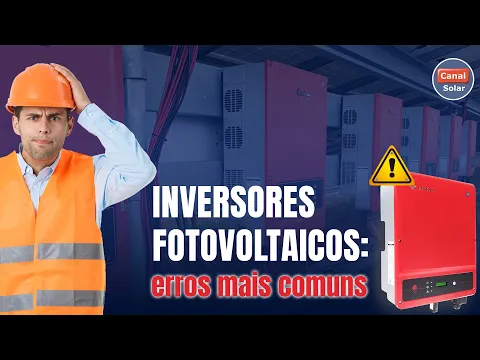

Solar Energy: Most Common Problems of Solar Inverters:
Overheating
Overheating is one of the most common problems faced by inverters. This can occur for several reasons, such as inadequate ventilation, direct sunlight exposure, or a faulty cooling system. When an inverter overheats, it can lead to reduced efficiency, premature component failure, or even a complete shutdown.
-
Brazil Concludes Largest Energy Auction in History, Secures 18.97 GW and Mobilizes $12.8 Billion to Ensure Supply Until 2031

-
How Norway Produces More Energy Than It Consumes with Nearly 1,800 Hydropower Plants and Over 1,100 Reservoirs

-
Axia Energia Invests $280 Million in Q1, Increases Investments by 36%, and Turns Loss into $740 Million Profit
-
Brazil’s Vitória Airport to Launch Solar Plant Covering Area of 10 Soccer Fields, Boosting Clean Energy and Cutting Costs


Solution: To prevent overheating, ensure that the inverter is installed in a well-ventilated area, away from direct sunlight or heat sources. Additionally, regularly clean the air filters and heat sinks of the inverter to maintain proper airflow and cooling. If the problem persists, it may be necessary to upgrade the inverter’s cooling system or replace the unit entirely.
Ground Fault Errors
Ground fault errors occur when there is an electrical leak or short circuit between the solar system and the ground. This can happen due to damaged cables, faulty connections, or environmental factors such as moisture or rodent damage.
Solution: The first step in addressing ground fault errors is to identify and isolate the source of the issue. This may involve inspecting the solar system, cables, and connections for any visible damage or signs of moisture intrusion. Once the fault is located, necessary repairs or replacements can be made. It is important to address ground fault errors promptly, as they can pose a safety risk and cause further damage to the system if left unresolved.
Communication Errors
Inverters rely on various communication protocols to interact with other components of the solar system, such as monitoring software or energy management systems. Communication errors can occur due to software failures, hardware issues, or interference from other electronic devices.
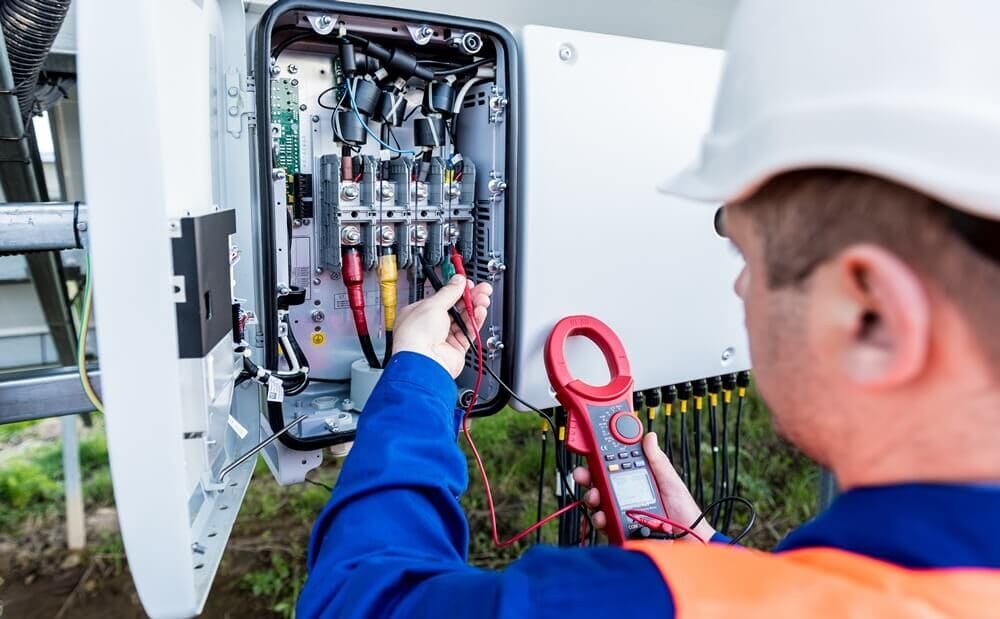
Solution: To resolve communication errors, start by checking the inverter’s firmware and updating it to the latest version if necessary. Ensure that all cables and connections are secure and free from damage. If the problem persists, it may be necessary to seek assistance from the inverter manufacturer or a qualified solar technician to diagnose and address any underlying hardware or software issues.
DC Input Voltage Issues
Inverters are designed to operate within a specific range of DC input voltages from solar panels. If the input voltage falls outside this range, error codes may trigger or the inverter may shut down.
Solution: To address DC input voltage issues, first check the photovoltaic solar panels for potential problems, such as shading, dirt, or module failures. If the panels are functioning correctly, the issue may lie within the inverter itself. In some cases, adjusting the inverter’s input voltage setting or replacing faulty components may resolve the problem. It is advisable to consult a qualified solar technician to ensure proper diagnosis and repair.
Solar Energy Inverter Failure
Despite regular maintenance and proper installation, inverters can still fail for various reasons, such as manufacturing defects, lightning strikes, or simply reaching the end of their lifespan.
Solution: If your inverter fails, the only solution is to replace it with a new unit. When selecting a replacement inverter, consider factors such as efficiency, the size of the inverter you need, warranty coverage, and compatibility with your existing solar system. It is also advisable to consult a professional solar installer to ensure proper sizing and installation of the new inverter.
By understanding and addressing these common inverter-related problems, you can help ensure optimal performance and longevity of your solar energy system. Regular maintenance, monitoring, and prompt attention to any issues can significantly contribute to maximizing the benefits of your solar investment.
Source: Canal Solar




O meu tá desligando a chave dos módulos e um growat 5000v