Portuguese
  Spanish


The renewable energy in Norway ended 2025 with the highest annual electricity volume ever recorded in the country. Production reached 161 TWh and exceeded domestic consumption by 23 TWh, a result that allowed the system to end the period with a historic surplus.
Norwegian generation remains concentrated in hydroelectric plants, responsible for about 88% of installed capacity. The country operates approximately 1,791 plants of this type and uses more than 1,100 reservoirs to adjust the electricity supply to changes in demand.
At the same time, wind energy has established itself as the second main source, while solar has already surpassed 700 MW of installed capacity. The expansion occurs amid expectations of increased consumption driven by data centers, electrification of transport, and changes in the industry.
-
Axia Energia Invests $280 Million in Q1, Increases Investments by 36%, and Turns Loss into $740 Million Profit

-
California Project Aims to Store Heat Underground in Former Oil Reservoir to Generate 100 kW of Electricity for Over 12 Hours
-
French Port Harnesses Industrial Waste Heat to Power Up to 30,000 Homes
-
Belgian Port to Install Shore Power for Cruise Ships by 2027, Cutting Dock Emissions by Up to 5% and Meeting EU Regulations



Renewable energy in Norway reaches production of 161 TWh
The 2025 record reinforced the dominance of renewable sources in the country’s electricity generation. By producing 161 TWh during the year, Norway ended the period with 23 TWh more than the volume consumed domestically.
This result increases the amount of electricity available for export through connections maintained with other European countries. The surplus also offers greater operational margin for a system that needs to balance production, consumption, and storage throughout the year.
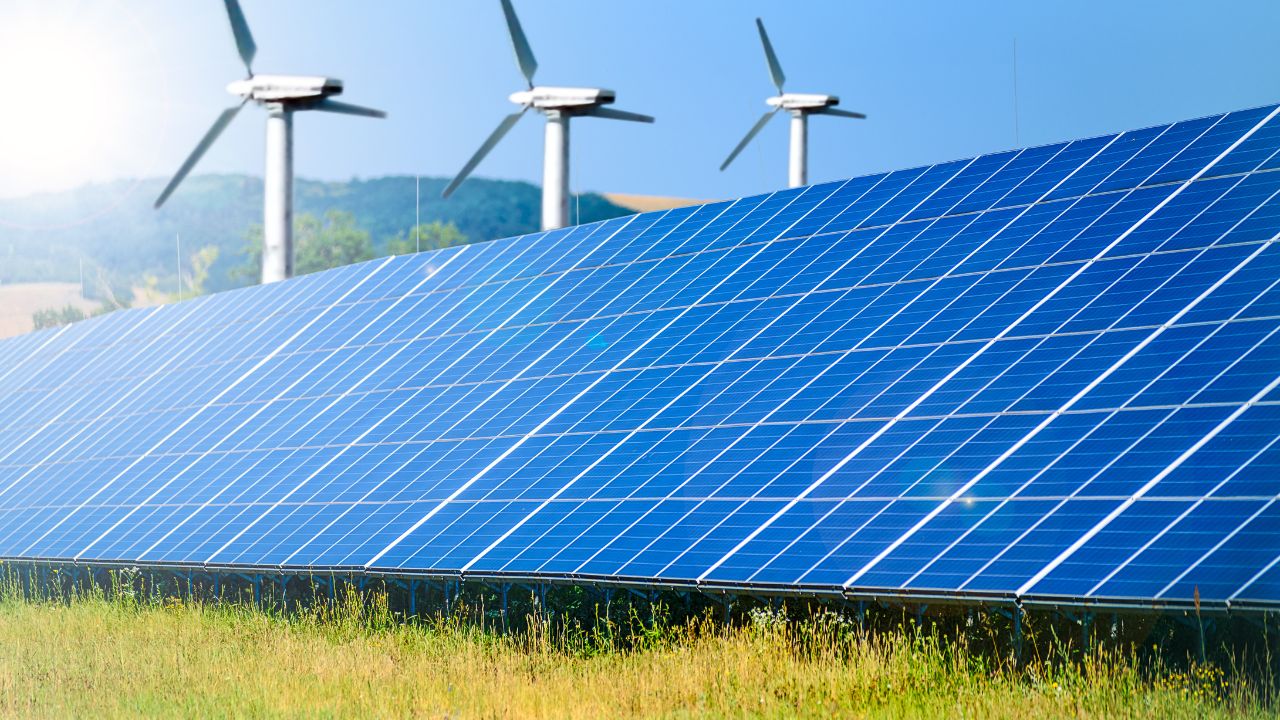
Hydroelectric plants represent 88% of installed capacity
Hydroelectricity occupies the largest share of the Norwegian matrix. The approximately 1,791 operating plants account for about 88% of the installed generation capacity in the country.
The function of these structures is not limited to continuous energy production. The plants also allow for rapid changes in the generated volume according to system needs.
This responsiveness is linked to the reservoirs, which store water and allow decisions on when to increase or decrease generation.
Renewable energy in Norway depends on more than 1,100 reservoirs
The country has more than 1,100 hydroelectric reservoirs, with an approximate capacity to store 87 TWh in potential energy. In practice, the accumulated water functions as a reserve that can be used when demand grows or when other sources produce less.
During periods of high solar and wind energy supply in the European continent, Norway can reduce hydroelectric generation and conserve water.
When the European system requires additional electricity, hydroelectric plants can increase production and use part of the stored volume. This flexibility has gained importance with the increase of variable sources in Europe.
Reservoirs help balance solar and wind in Europe
Solar generation depends on the availability of light, while wind production varies according to wind conditions. As these sources do not maintain the same level of generation all the time, Norwegian reservoirs function as an adjustment mechanism.
Norway can store water when there is abundant electricity in other markets and increase hydroelectric generation during periods of lower supply.
This model allows the country to participate in regional balance without relying solely on internal consumption. The system also offers the possibility to choose between exporting electricity or preserving the reservoirs for later use.
Wind energy becomes the second main source
Although hydroelectric plants remain dominant, the share of wind energy has increased in the Norwegian matrix. The country has approximately 65 wind farms, totaling 5 GW of installed capacity.
The annual production of the source is close to 16 TWh. With these numbers, wind energy occupies the second position among Norway’s electricity sources.

Current structure of renewable generation
- about 1,791 hydroelectric plants;
- more than 1,100 reservoirs;
- approximately 87 TWh of storable potential energy;
- about 65 wind farms;
- 5 GW of wind capacity;
- annual wind generation close to 16 TWh;
- more than 700 MW of installed solar capacity.
Renewable energy in Norway is connected to 17 external markets
Integration with other countries is another component of the Norwegian electrical system. Norway has 17 interconnections with European markets. Part of these connections uses submarine cables. The networks reach countries such as Denmark, the Netherlands, Germany, and the United Kingdom.
The interconnections allow selling energy when production exceeds national demand. They also enable importing electricity in situations where it is more advantageous to conserve stored water.
In this way, the operation of the reservoirs can consider not only domestic consumption but also price and supply conditions in other markets.
Submarine cables expand export and import
The cables connect the Norwegian system to regions with different electrical matrices. When there is a surplus, the electricity generated in Norway can be sent to other countries. In times of lower production or when there is interest in preserving the reservoirs, the flow can occur in the opposite direction.
This exchange reduces the need to keep all sources operating at maximum level permanently. It also allows stored water to be used in periods considered more suitable for supply security.
Solar energy exceeds 700 MW of capacity
Photovoltaic generation still occupies a smaller portion of the matrix but has been expanding its presence. According to data from the NVE, the Norwegian Water Resources and Energy Directorate, the installed solar capacity has already surpassed 700 MW. The growth is mainly concentrated in residential, commercial, and industrial systems.
The expansion occurs even with long winter periods and with solar incidence lower than that found in countries like Brazil. Solar energy functions as a complementary source to the system dominated by hydroelectric plants.
The Norwegian electrical sector is preparing for a scenario of higher consumption. The installation of new data centers is among the factors that may increase the demand for energy. The electrification of transport and industry is also expected to pressure demand.
These changes will require investments in generation and transmission so that the system can keep up with growth without compromising supply. The expansion will need to consider both internal production and the capacity of networks to transport electricity between regions and markets.
Renewable energy in Norway faces expansion challenge
The performance of 2025 showed that the country has the capacity to generate more electricity than it consumes at certain times. This surplus, however, does not eliminate the need for planning for the coming years.
The increase in demand may reduce the available margin for exports and require new sources of generation.
Norway seeks to expand infrastructure without losing the flexibility offered by hydroelectric plants and reservoirs. In this process, sources like wind and solar start to play complementary roles within the matrix.
The Norwegian model brings together three main elements: large hydroelectric participation, storage capacity, and integration with other countries. The plants produce most of the electricity, while the reservoirs allow control over the timing of generation.
European interconnections make it possible to export surpluses or import energy when this decision helps preserve stored water. Wind energy expands supply, and solar is beginning to gain ground in homes, businesses, and industries.
With information from Canal Solar