






 Portuguese
  Spanish



Researcher Is Reference in Applications of Nuclear Magnetic Resonance (NMR)
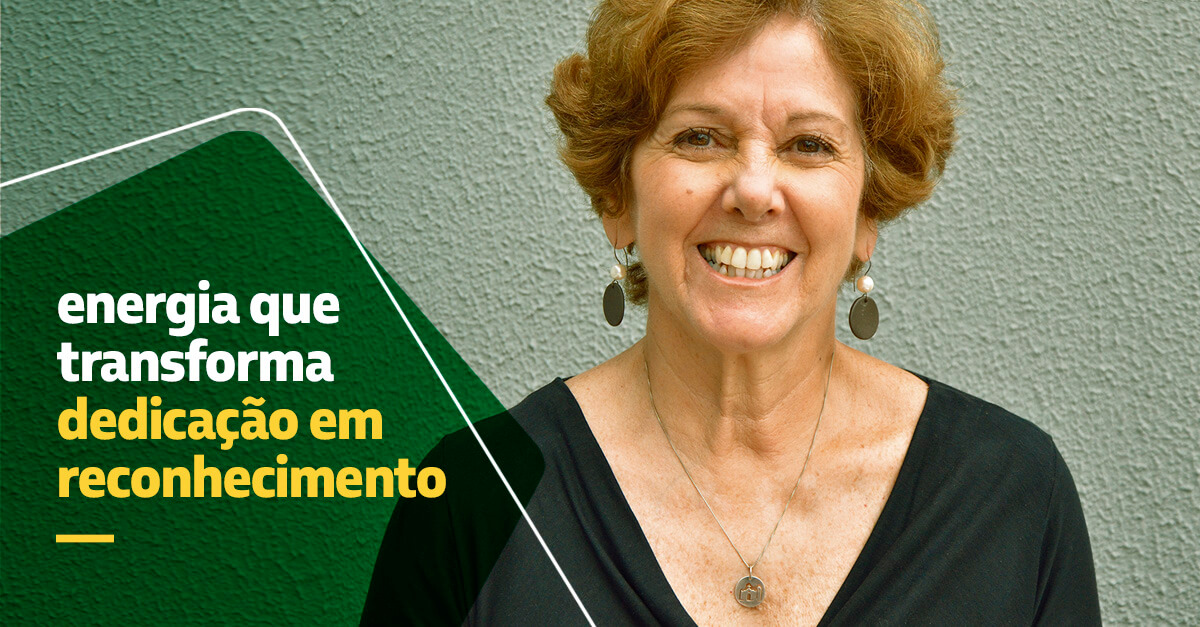
The chemical engineer from Petrobras Sonia Menezes received, on Thursday (10/15), the Leadership in Industry award, granted by the American Chemical Society (ACS) and the Brazilian Chemical Society (SBQ). The award is a recognition of her pioneering work in the field of Nuclear Magnetic Resonance in the oil industry, an area she has worked in for 45 years, since she joined the Petrobras Research Center, Cenpes. Her research in the field of Nuclear Magnetic Resonance has contributed, among other applications, to the development of products such as S-10 diesel and renewable diesel.
“In the industry, unlike in the medical field, resonance does not see organs or tissues, but it can identify the structures of molecules present in different compounds. With it, through the detection of properties of the nuclei of atoms of certain elements, it is possible to identify the structure of molecules present in an unknown sample. Thus, we can, for example, identify if a derivative we produce – or that we will start producing – has the appropriate concentration of a certain additive or what impurities are present and their levels, aiming for the specification of that product,” explains Sonia.
At Petrobras, there are applications for both the Exploration and Production areas as well as for Refining, product quality, renewables, and the environment. The use of NMR contributes to the development of catalysts for refining, in the qualification of materials used in pre-salt production equipment, and to support the production processes of newer, technological, and sustainable products such as, for example, S-10 diesel and Podium gasoline. “In the spectrum of the new renewable diesel, NMR can “see” all the impurities that could interfere with the specifications. With that, we can suggest adjustments in process conditions and adjust catalysts,” she explains.
-
Brazil’s ANP Opens 86 New Oil Blocks in the Equatorial Margin, Expanding the Amazon River Mouth Frontier

-
OPEC+ Boosts Oil Supply by 188,000 Barrels per Day in July 2026, Leading to Price Drop from $112 to $89 per Barrel in Under Two Months

-
TotalEnergies Signs 20-Year Deal to Purchase 2 Million Tons of LNG from Alaska, Boosting Project Viability
-
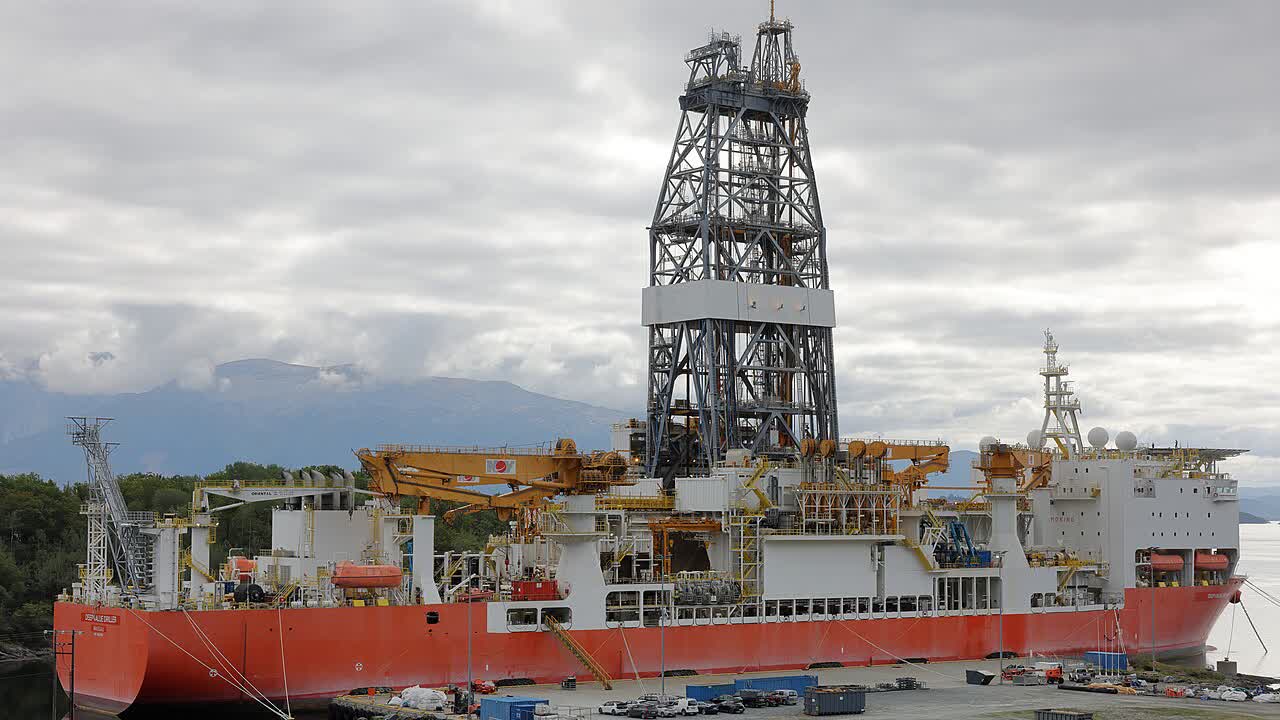
Turkey Deploys Çağrı Bey Drilling Ship to Explore New Oil Frontier Off Somalia’s Coast


Pioneer
Chemical engineer, master’s and doctoral degree in Organic Chemistry from the Federal University of Rio de Janeiro (UFRJ), and specialist in Nuclear Magnetic Resonance from the City of London Polytechnic, Sonia was responsible for the installation at Cenpes, in 1987, of the country’s first new-generation Nuclear Magnetic Resonance equipment. Since then, the applications of Nuclear Magnetic Resonance (NMR) in chemistry have intensified, not only within the company but also throughout the Brazilian scientific community.
Today, Cenpes has four high-field NMR spectrometers, with higher resolution; and five low-field spectrometers, simpler and capable of providing quicker responses. The engineer notes that the application of this type of equipment across all business segments of the company has helped promote the technique in Brazil. There are currently more than 150 spectrometers in the country and over 300 specialists, considering only the fields of chemistry and physics. Nicolás Simone, director of Digital Transformation and Innovation at Petrobras, an area that includes Cenpes, says that the “award won by Sonia Menezes reflects our brilliant team of researchers and the technical capacity to meet the extreme needs of our industry, generating results and adding value to the company.” “I often say that, at Petrobras, a local saint performs miracles too,” recalls the director.
Award
The Leadership in Industry award aims to promote gender equality in science, technology, engineering, and mathematics in Brazil and advance the understanding of the impact of diversity in scientific research and the field of chemistry. “Many times, Brazilian women scientists give up their personal lives in favor of science. An award like this encourages other women to continue in this fight,” Sonia assesses. For the engineer, science exists beyond all the other roles that women assume. “I hope that female presence in leadership positions in science becomes more frequent and natural, until specific awards for women are no longer necessary,” she states.


