






 Portuguese
  Spanish
  4 min of reading
  0 comments


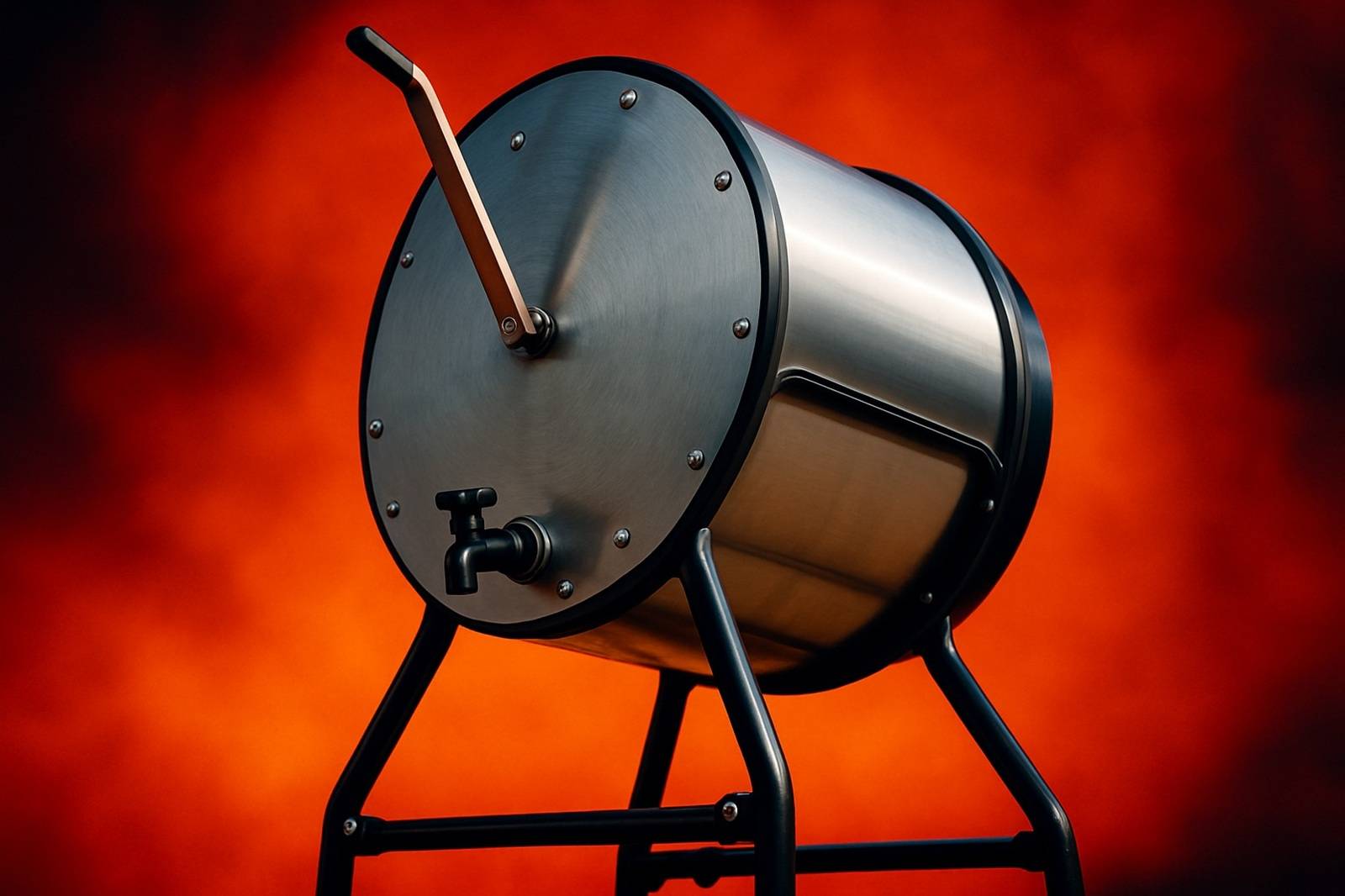
The Manual Washing Machine Divya Offers a Practical Alternative for Communities Without Electricity, Reducing Physical Effort, Saving Water and Time, and Helping Families Who Depend on Manual Washing in Vulnerable Regions Around the World
British engineer designs a manually operated portable washing machine that reduces water consumption by up to 50% in communities without access to electricity. The initiative presents a concrete proposal for those who still rely on daily manual washing, often under tiring and unhealthy conditions.
The equipment creates a practical, accessible, and structured alternative for places lacking basic services.
What Is Divya
Meet Divya, the world’s first compact washing machine. It is a portable and electricity-independent device that helps save up to 50% of water and 75% of time compared to the manual process.
-
Helicopter Drops 180 Tons of Sand and Gravel on Swedish River to Revive Ecosystem Damaged by Decades of Exploitation

-
Brazilian Company Launches Retro Smartphone with 48 MP Camera, T9 Keyboard, and Privacy Features for Social Media-Free Use

-
Self-Taught Chinese Farmer Builds 5-Ton Submarine from Scrap, Launches It in Anhui River
-
Invisible Induction Technology Enables Wireless Power for Blenders, Coffee Makers, and Air Fryers, Reducing Countertop Cables



The machine works solely with physical effort. A stainless steel drum, attached to a crank handle, performs the necessary agitation to wash clothes. A simple drainage system facilitates the removal of used water.
The design employs standardized parts, found in common hardware stores. This decision reduces technical barriers and allows the product to operate with little water, without electricity, and with accessible maintenance.
The latest version comes in flat packaging. This makes transportation, assembly, and disassembly easier. This feature reduces logistical costs and enables the device to reach areas where transporting conventional machines would be unfeasible.
Real Impact So Far
Estimates indicate that about 60% of the world’s population, approximately 5 billion people, wash clothes by hand. This activity requires intense physical effort, consumes a lot of water, and takes up valuable hours of the day.
Reports show that Divya reduces water usage by up to 50% compared to the traditional method. The machine also decreases the time spent on the task by between 70% and 75%. This savings directly influences the daily routine of families without electric machines.
The technology has already reached over 13 countries. It serves tens of thousands of people in rural areas, displaced persons camps, and regions without stable electrical infrastructure. These results reinforce the solution’s potential in contexts of vulnerability.
Benefits for the Community
Water Conservation
Reducing water consumption is essential in regions where the resource is scarce. Manual washing requires large volumes, often obtained from unsafe or contaminated sources. Divya helps save water and contributes to safer hygiene practices.
Less Physical Effort and More Free Time
The equipment reduces daily physical wear. People who spend hours washing clothes can reallocate this time to education, work, rest, or family care. In low-income communities, this change creates new possibilities.
User-Centered Design
The project was co-created with the users. Contributions resulted in improvements such as a larger opening for bulky clothes, wheels to facilitate movement, locally available replacement parts, and simple maintenance. This approach ensures that the solution meets real needs.
Repairability and Circular Economy
Construction with robust materials and common parts allows for local repairs. When the equipment reaches the end of its life cycle, many components can be recycled or reused. This feature reinforces sustainable practices and reduces environmental impact.
Challenges and Considerations
Despite the positive results, the adoption of the equipment requires some conditions. The machine has a smaller capacity than electric models. It is better suited for environments without modern infrastructure, requiring adjustments in the number of clothes per cycle.
Operation requires water, space to turn the crank, and suitable conditions for device distribution. Extreme regions may present more complex logistical challenges, making it difficult for the product to reach them.
To achieve widespread impact, it is necessary to structure the entire support chain. This includes distribution, installation, and maintenance. The equipment depends on water and detergent. In dry regions or where chemical products are scarce, these factors may require additional solutions.
Concrete Example
A case from southern India illustrates the effect of the technology. A woman who would wake up at 3 AM to walk to a polluted lake and wash clothes managed to change her routine. With the manual machine, she began washing clothes at home and managing her small tea business. This change shows how a simple device can transform a family’s life.
Potential of the Technology
The manual washing machine Divya brings together concepts that resonate with sustainability, autonomy, and community development. By not relying on electricity, it is useful in locations without access to the grid or with frequent interruptions. This reduces the energy impact of washing.
The ability to save water adds value at a time when scarcity intensifies. Using fewer liters per wash helps preserve resources and reinforces water security.
The time freed up empowers communities. Many women can study, work, or participate in environmental initiatives. This change strengthens social networks and creates opportunities.
The modular format facilitates replication and maintenance. The device can be integrated into rural or humanitarian development programs. In organized communities, shared units reduce costs and expand access.
The possibility of recycling components and extending the lifespan reinforces principles of the circular economy. This helps reduce waste.
Practically, communities can install multiple units for collective use, reuse washing water for irrigation, and train local technicians for maintenance. In this way, the machine transcends its role as an appliance and becomes a tool for social and environmental transformation.





-

2 people reacted to this.