






 Portuguese
  Spanish
  2 min of reading


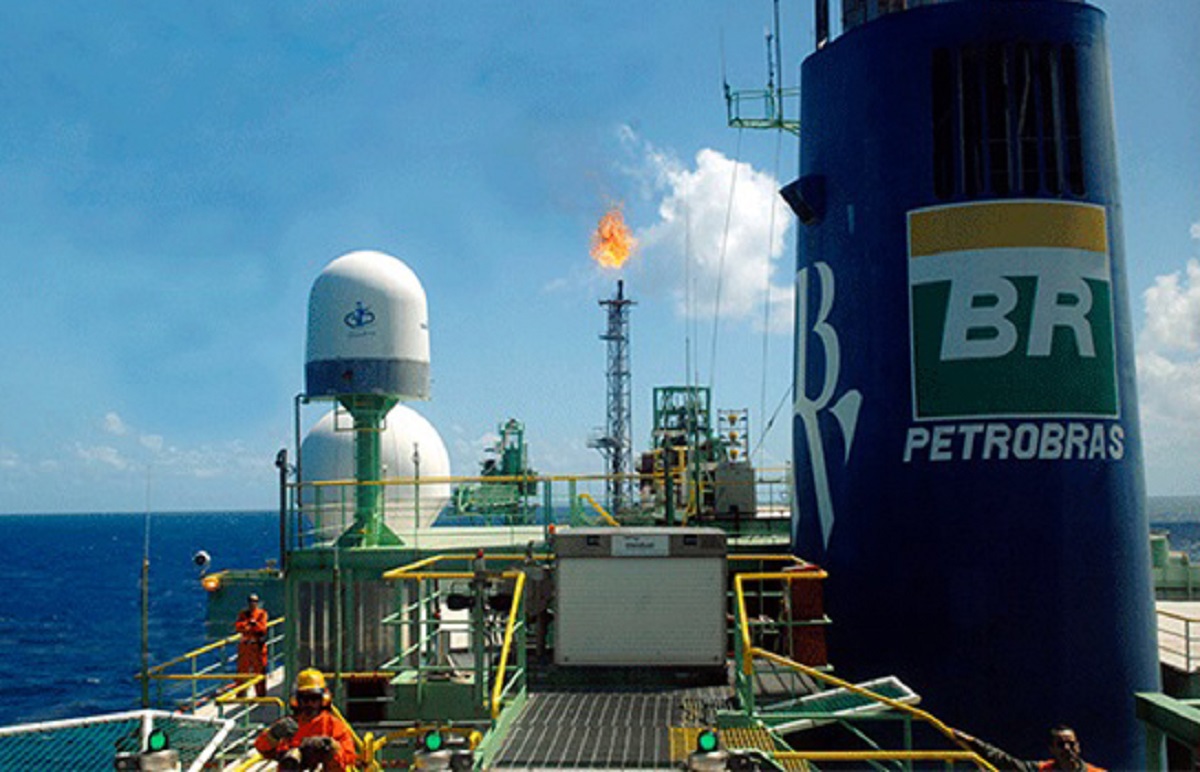
Petrobras Races Against Time to Produce Everything That Brazilian Pre-Salt Can Offer Before Inevitable Energy Transition, but Experts Are Concerned
As other global oil giants shift and even transition to a differentiated market in the energy sector, such as in the petrochemical field and clean/renewable energies, Petrobras maintains its scope and focus on only one segment of services, becoming increasingly less flexible compared to major operators.
It’s no surprise that Petrobras is betting everything on pre-salt, focusing on oil and gas productivity, with an intense divestment project to reduce its deficits and increase the state-owned company’s cash flow.
Valor consulted some analysts experienced in this type of market, many of whom have divided opinions on whether this strategy is really a good business for Petrobras, as fuel consumption is inevitably decreasing in the long term and while other companies have shown interest in different types of activities, the Brazilian state-owned company remains static.
-
Dona Floripes is 103 years old, drinks Coca-Cola every day, dances alone at home, makes the doctor wait, and says she doesn’t consider herself old because old is what you throw away.
-
Dona Floripes is 103 years old, drinks Coca-Cola every day, dances alone at home, makes the doctor wait, and says she doesn’t consider herself old because old is what you throw away.
-
Dona Floripes is 103 years old, drinks Coca-Cola every day, dances alone at home, makes the doctor wait, and says she doesn’t consider herself old because old is what you throw away.
-
The 7-seater SUV has become an alternative for those who need space without spending much, combining a 260 hp V6 engine, automatic transmission, and the size of a large utility vehicle for less than R$ 80,000: meet the 2012 Hyundai Veracruz.
The president of Petrobras, Roberto Castello Branco, has already expressed interest in selling Liquigás, Braskem, and reducing its stake in the refining market of BR Distribuidora in about two months.
According to Adriano Pires, director of Brazilian Center for Infrastructure (CBIE), since the state-owned company is the largest explorer in pre-salt fields in the world, any other applications and investments coming from its cash do not make much sense at this moment because they will not yield the expected financial return.








Be the first to react!