Portuguese
  Spanish


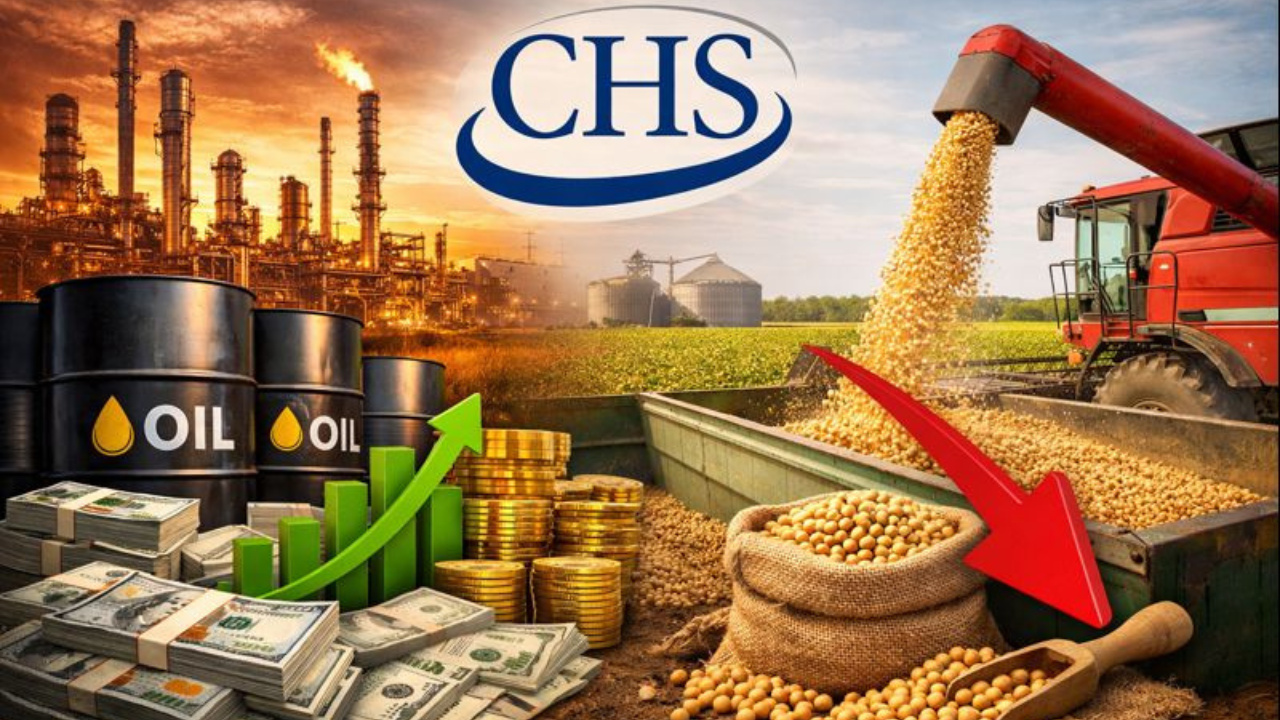

CHS Improves Financial Results With Oil Refining Margins, Despite Soy Processing Pressure on US Agriculture.
The CHS, the largest agricultural and energy cooperative in the United States, ended the first quarter of its fiscal year with positive financial results.
The performance, reported for the period ending November 30, occurred against a backdrop of increased diesel demand and improved energy operations, which offset the decline in soy processing margins and the challenges faced by the US agriculture sector.
Financial Results Show Strength of Energy Segment
In the quarterly report, CHS recorded a net income of US$ 260.5 million, a 6.4% increase compared to the same period last year.
-
99Food Under Investigation by Brazilian Consumer Protection Agency for Lack of Price Transparency, Faces Potential $2.8 Million Fine

-
Race for data centers in Brazil increases pressure on critical energy

-
Growth without profit has become one of the most costly management mistakes in Brazil.

-
Anvisa blocks batch of antibiotic after unexpected discovery in sealed vial and also suspends clindamycin with impurities and saline solution used in intravenous application




Despite this, total revenue showed a decline of 4.3%, totaling US$ 8.9 billion.
This contrast reflects a significant change in the composition of financial results.
While the agricultural business faced pressure, the energy segment gained prominence, supported by higher oil refining margins and increased fuel demand.
Oil Refining Margins Strengthen Energy Operations
The performance of the energy segment was one of the highlights of the quarter.
With rising oil refining margins in the US and the expansion of the harvested grain area, a factor that increased diesel consumption.
The result represents a growth of nine times compared to the previous year.
This progress highlights how the fuel market played a decisive role in sustaining the cooperative’s financial results in a scenario of agricultural volatility.
Soy Processing Pressures US Agriculture
On the other hand, the performance of the agricultural business showed clear signs of slowdown.
The reduction in soy processing and spring wheat margins, coupled with a decline in US soybean exports.
As a result, the profit before taxes from the agricultural segment plummeted by 78.3%, totaling US$ 36.2 million.
The scenario reinforces the challenges currently faced by the US agriculture sector, especially in a more competitive global environment with weaker external demand.
Global Environment and Costs Tighten Producers, Says CEO
According to Jay Deb and Martin, president and CEO of CHS, the moment remains demanding for the rural sector.
“The agricultural market continues to be challenged by both the dynamics of the global market and the tighter spending environment for producers,” stated the executive.
The statement reinforces that, even with occasional gains in some segments, the pressure on costs and margins remains a structural factor for the US agriculture sector.
Corn Exports and Biofuels Help Reduce Impact
Despite the weak performance of soy processing, several factors helped cushion the losses in the agricultural segment.
Among them, the better corn export margins to certain markets and the increase in the volume of the grain exported stand out.
Additionally, the cooperative benefited from more favorable margins in ethanol and canola production, segments linked to the biofuels chain, which gained relevance amid the energy transition and demand for alternatives to oil.
Agronomy Grows With Nitrogen Fertilizers
Another positive point in CHS’s financial results was the performance of the agronomy business, which includes the marketing of fertilizers.
In this segment, profit before taxes increased by 30.9%, reaching US$ 36.8 million.
The growth was driven by favorable conditions in the nitrogen fertilizer market, which maintained good demand and more balanced prices throughout the quarter.
Outlook: Energy Sustains, Agriculture Continues Under Pressure
The CHS balance shows that, in the short term, oil refining margins remain the main lever for the cooperative’s financial results.
Meanwhile, soy processing and other grains continue to be exposed to uncertainties in international trade and the behavior of production costs.
Thus, the performance reinforces an increasingly clear trend: in times of instability in US agriculture, diversification between energy and agriculture becomes crucial for the cooperative’s financial resilience.