






 Portuguese
  Spanish
  3 min of reading
  0 comments


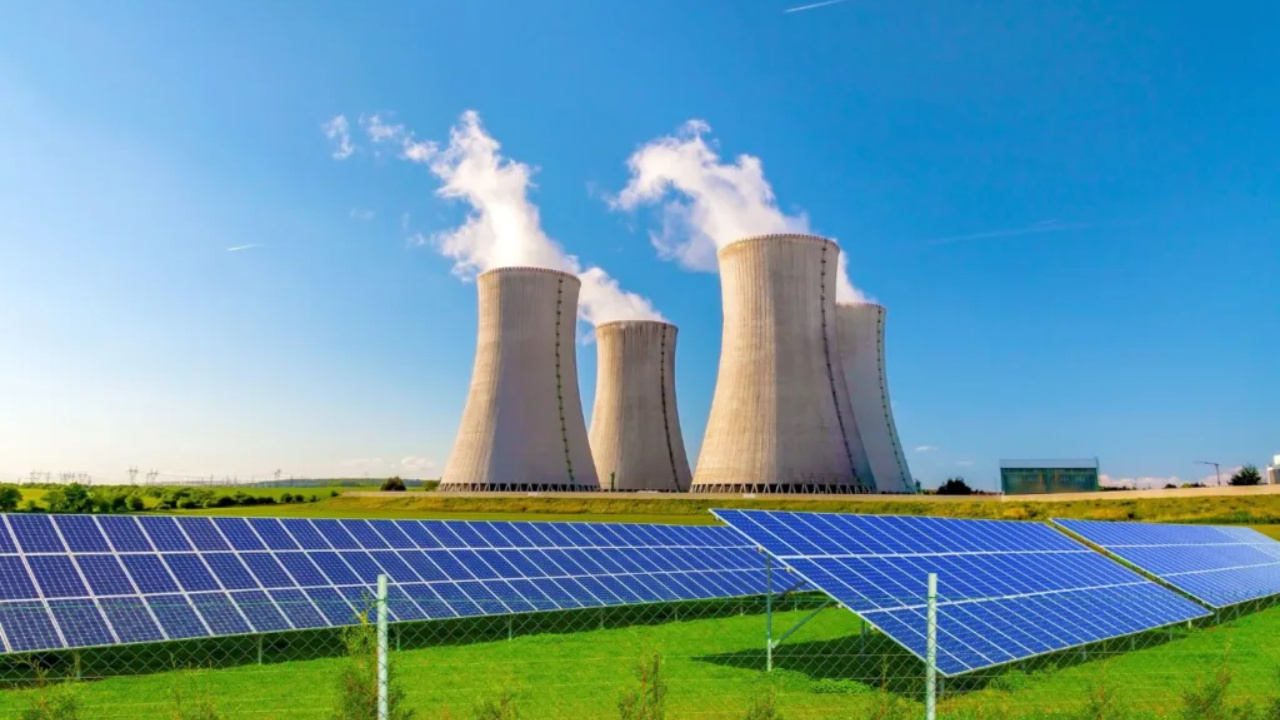
Nuclear Energy Is Experiencing A Strong Renaissance In 2026 As The Growth Of Renewable Sources Slows Down. Understand Why Power Plants, Reactors, And Big Countries Are Changing The Global Energy Game.
Nuclear energy enters 2026 as one of the most controversial and strategic themes in the global electricity sector.
As electricity demand surges due to electric cars, data centers, and the electrification of the economy, the growth of renewable sources begins to lose momentum.
In light of this scenario, governments and investors are looking back to nuclear as a quick, stable, and powerful solution to avoid supply crises.
-
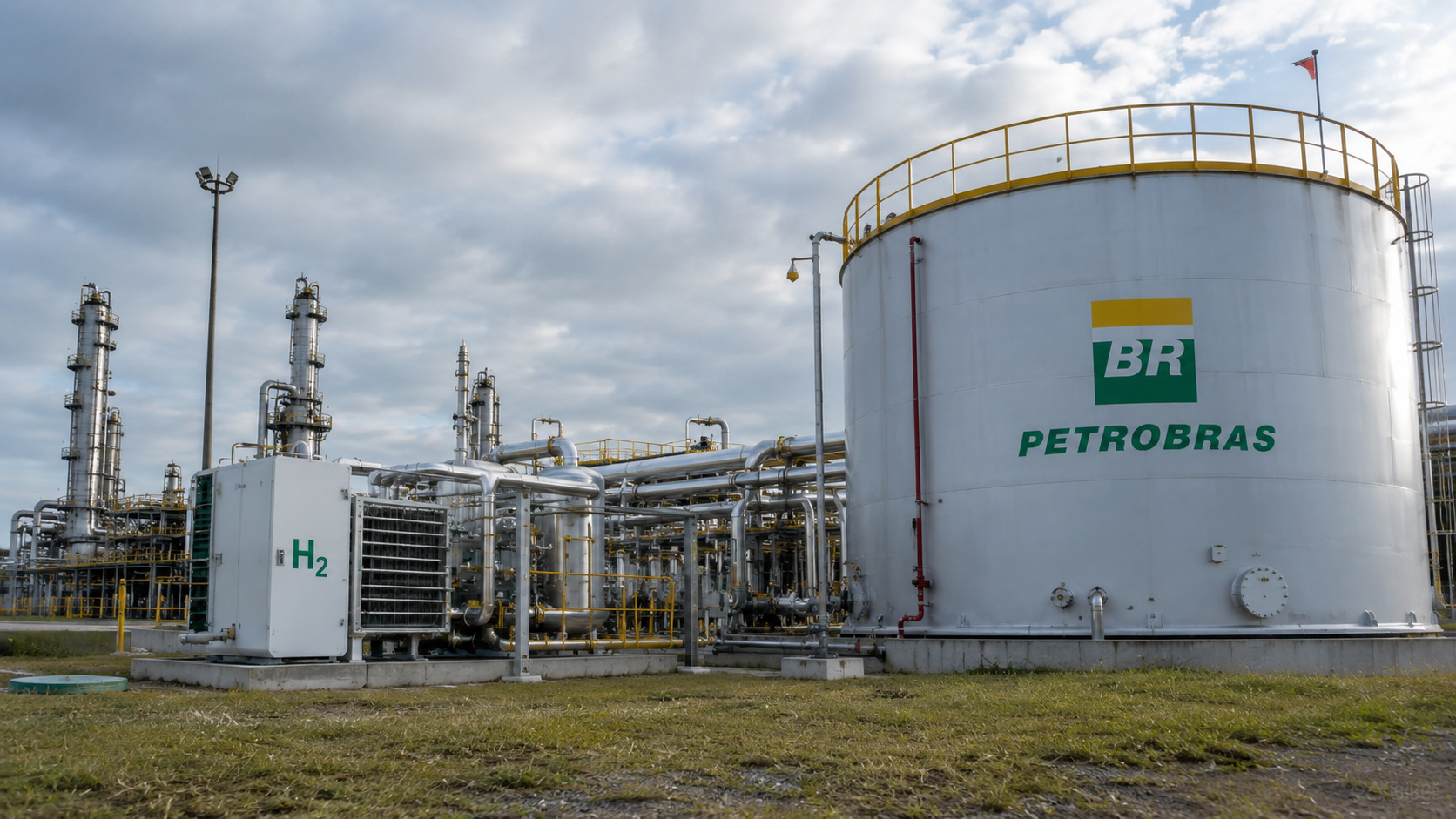
Brazilian scientists are simultaneously advancing two research projects on clean hydrogen and driving solutions that could transform the energy matrix, enhance industrial competitiveness, and accelerate large-scale emission reduction targets.

-
Advancement in renewable energy: A R$ 150 million project launched by Petrobras and Finep aims to create state-of-the-art electrolyzers for green hydrogen, strengthening national research and preparing Brazil to compete in a billion-dollar energy market.
-
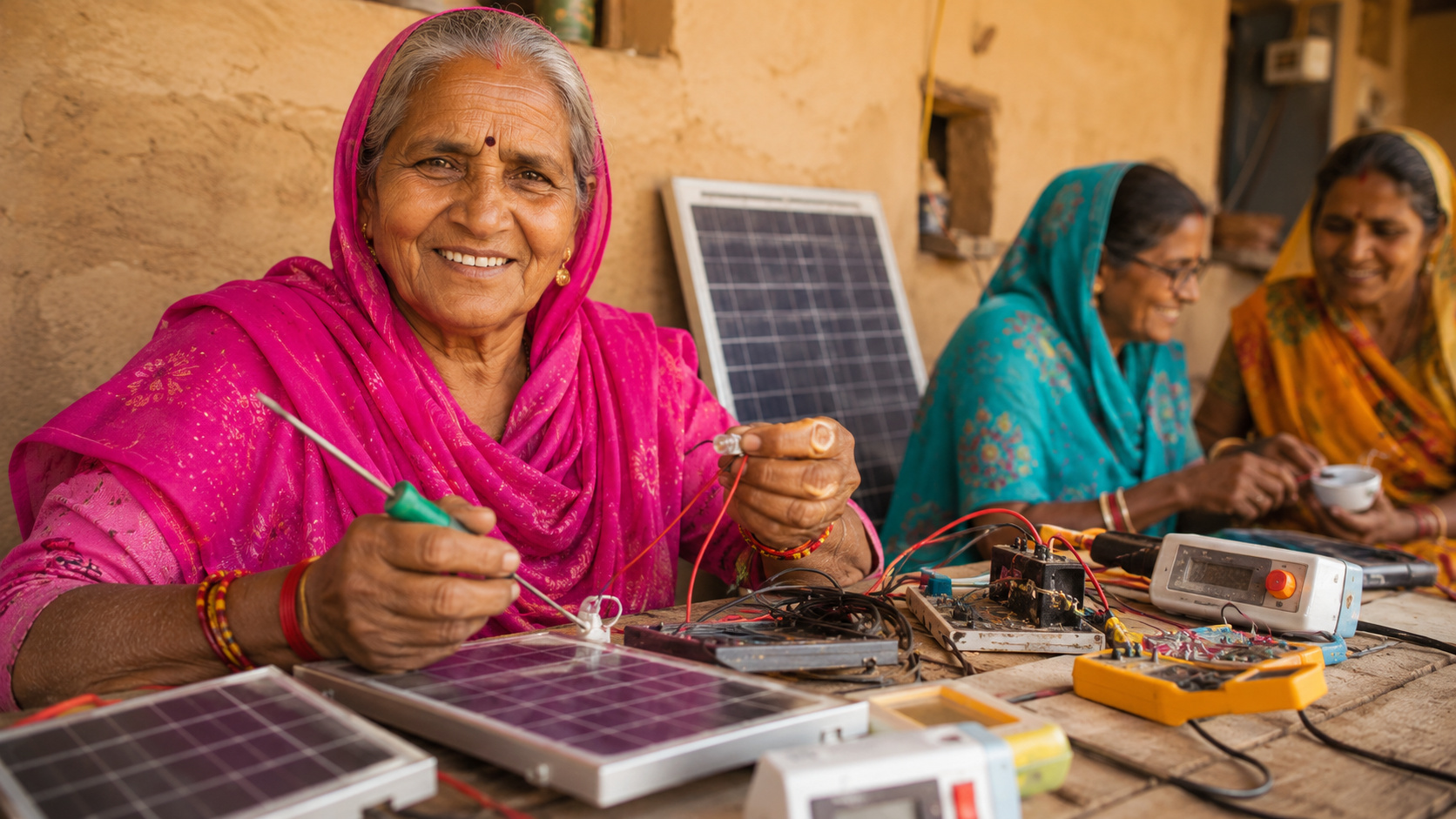
Illiterate or semi-literate grandmothers were trained to repair solar systems, open rural workshops, and light up homes that still depended on kerosene.
-
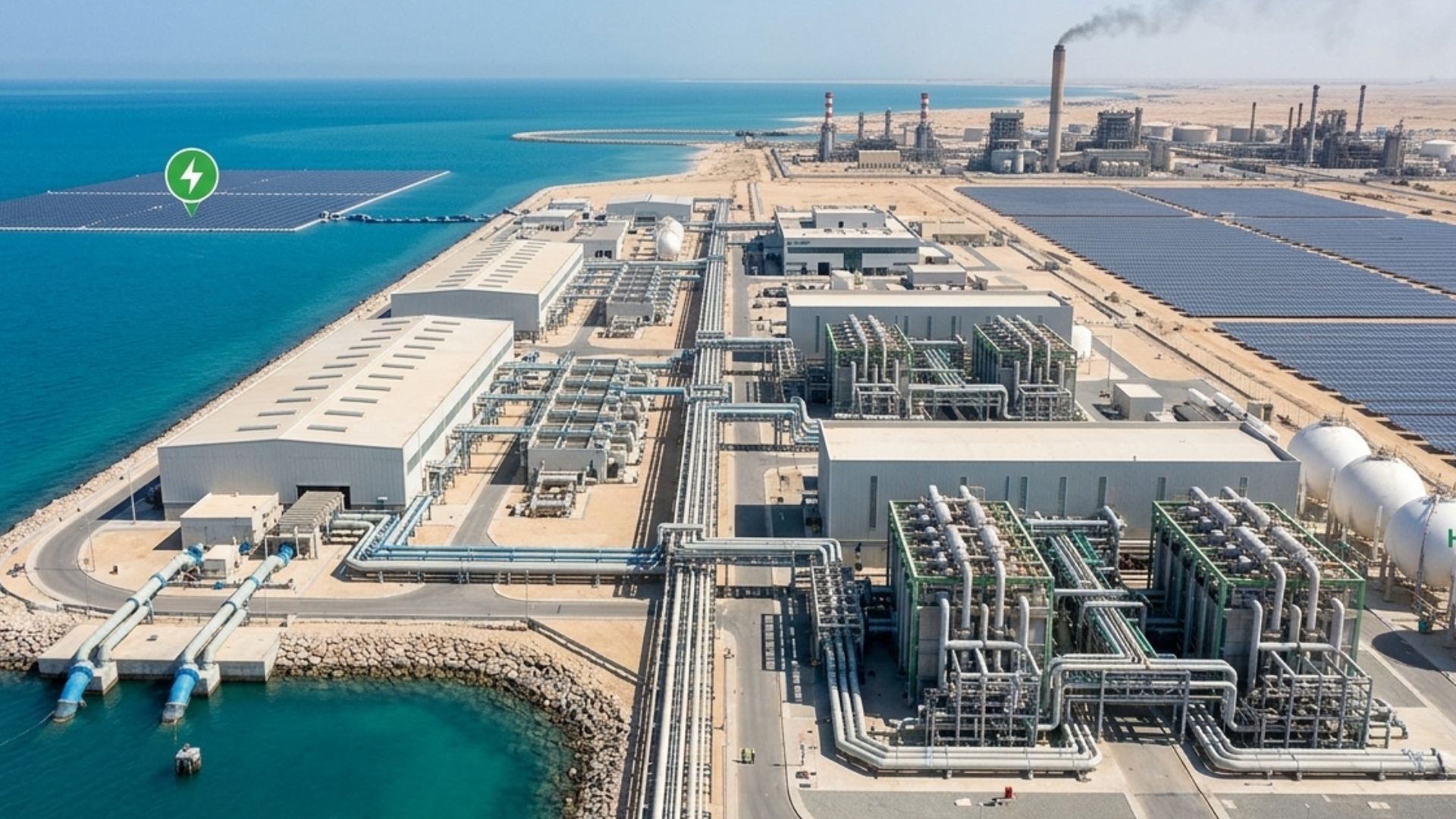
The world has bet on green hydrogen as the fuel of the future, but now faces the side effect: producing 1 kilogram requires about 9 liters of ultrapure water, and the largest projects on the planet are precisely in the driest regions of the Earth, where water is already scarce for people.


Moreover, a new analysis from Rystad Energy shows that the global electricity sector has reached a turning point.
In other words, the model based solely on solar and wind is no longer growing at the same pace as before, while nuclear energy advances as an alternative capable of providing large volumes of electricity continuously.
Nuclear Energy Will Add The Largest Volume In Nearly 30 Years
In 2026, nuclear energy is expected to add about 14 gigawatts (GW) of new capacity to the global electrical system.
This will be the largest net increase in nearly three decades. In other words, it represents a move that completely shifts the balance of the global energy matrix.
According to Rystad, most of this new capacity will be installed in China.
However, countries like India, Bangladesh, Turkey, and South Korea are also expected to bring in new reactors, further increasing the weight of nuclear power on the global energy map.
At the same time, this advancement occurs precisely when renewables begin to face barriers. Licensing issues, financing difficulties, and the maturity of some markets are slowing down the pace of new solar and wind projects.
Shuttered Plants May Resume Operations In The United States
One of the most surprising points of 2026 may happen in the United States. For the first time, a nuclear plant that has been shut down and decommissioned may resume operations.
The Palisades plant, with a capacity of 800 megawatts (MW), may be reconnected after being taken offline. If this occurs, it will be a historical milestone for the country.
Carlos Torres Diaz, head of energy research at Rystad, stated: “In the United States, 2026 may mark the first case of a previously decommissioned nuclear plant resuming operations. The Palisades plant, with a capacity of 800 megawatts (MW), could return to operation after being shut down and decommissioned. If the process is completed, it will be the first reactivation of its kind in the country, which may pave the way for life extensions of other reactors, an alternative considered more economical than building new units.”
In other words, reactivating plants may be cheaper and quicker than building new ones, making nuclear energy even more appealing.
Renewables Slow Down After Years Of Rapid Growth
After more than 20 years of continuous expansion, renewable energies are expected to grow more slowly. In 2025, the world added 703 GW of renewable capacity, primarily driven by solar energy in China.
China alone accounted for about 300 GW of this total. This happened because changes in energy pricing rules led companies to accelerate projects before June 2025.
Now, in 2026, the forecast is for 235 GW of solar and 98 GW of wind in the country. With this, the global addition is expected to drop to around 650 GW.
Nevertheless, clean energy generation continues to rise. Renewable production jumped from 2,886 TWh in 2000 to 10,742 TWh in 2025. In 2026, it is expected to reach 11,900 TWh, surpassing coal.
With nuclear energy making a strong comeback and renewables losing momentum, do you think the world is entering a new era of risk or energy security?







Be the first to react!