Portuguese
  Spanish




Have You Ever Found Yourself Wondering If It’s Better to Have a Naturally Aspirated Engine or Bet on a Turbo Engine? This Is a Doubt That Circulates in Wheels of Conversations of Car Enthusiasts, with Heated Discussions and Lots of Emotion. While Some Defend the Raw Power of a Turbo Engine, Others Swear by the Reliability and Simplicity of the Naturally Aspirated Engine. But After All, Who Wins This Dispute?
The naturally aspirated engine is the classic among classics. It works in a simpler way, using the natural air intake for the combustion process. When the intake valve opens, the piston descends, “drawing” the air-fuel mixture into the cylinder. The efficiency of the naturally aspirated engine depends a lot on the amount of air it can “breathe” naturally. As a result, it tends to be more limited in terms of performance, as the volumetric efficiency of this engine is lower compared to the supercharged ones.
The turbo engine, on the other hand, adds an extra “boost.” It uses a turbocharger to force more air and fuel into the cylinder, significantly increasing volumetric efficiency and, of course, power. Basically, while the naturally aspirated engine “breathes” on its own, the turbo engine receives external help, pushing more mixture into the cylinder and, as a result, generating much more energy during combustion.
What Is the Big Difference Between a Naturally Aspirated Engine and a Turbo Engine?
The main difference between a naturally aspirated engine and a turbo engine lies in volumetric efficiency. In the naturally aspirated engine, the air-fuel mixture enters the cylinder naturally, limiting the amount of air that can be used. In the turbo engine, the mixture is literally pushed into the cylinder, allowing more fuel and air to be used, resulting in more power and torque.
-
Thinking of Installing LED Headlights? Why Replacing Halogen Bulbs is Still Banned, the Glare Risks Authorities Worry About, and How a New Proposal Could Allow Certified, Safe Installations

-
2027 Toyota Corolla Cross Unveiled: New Design, Enhanced Fuel Efficiency, Reduced Maintenance Costs, Advanced Technology, Connected Services, and Up to 10-Year Warranty

-
Fiat Cronos Precision 2018: Affordable Sedan with Spacious Trunk and Reliable Maintenance
-
Volkswagen to Cut Production by 1 Million Cars by 2030, Reducing Jobs and Platforms, Focusing on More Profitable Models




And What About Performance?
When it comes to performance, the turbo engine generally has the advantage. Thanks to its greater volumetric efficiency, it can generate more power with less displacement. This means that a car with a turbo engine can deliver more torque and acceleration, becoming more agile, especially in high-performance situations.
Maintenance and Durability
Here the naturally aspirated engine scores points. Due to being simpler in terms of construction and operation, it usually requires less maintenance and has a longer lifespan. The naturally aspirated engine is less susceptible to problems related to increased pressure within the cylinder, such as overheating and excessive component wear.
Which Is More Economical?
Fuel economy depends a lot on how you use the car. The naturally aspirated engine tends to be more economical in regular use, as it does not need extra components like the turbocharger.
On the other hand, the turbo engine can consume more fuel, especially at high revs, where the turbocharger is in full operation. However, on highways, the turbo engine can perform better, as it can maintain good power without requiring as much effort.
For Whom Is the Naturally Aspirated Engine?
If you’re looking for a reliable car, with cheaper maintenance and don’t need bursts of power all the time, the naturally aspirated engine is an excellent choice. It is more predictable and calm for daily use, ideal for those who are not after high performance but want a car that lasts many years without causing headaches.
For Whom Is the Turbo Engine?
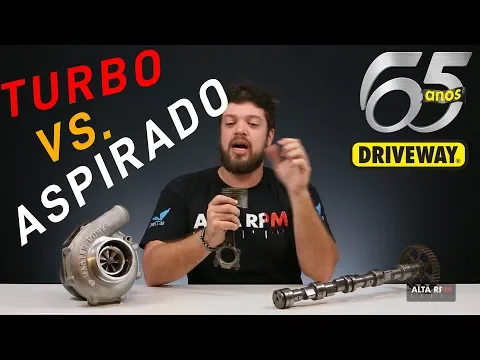

Now, if your goal is to feel the adrenaline on the road, have a quick throttle response and don’t mind spending a little more on maintenance and fuel, the turbo engine is the right choice. It offers more power and torque at low revs, making it perfect for those who want an agile and sporty car.
In the end, the choice between a naturally aspirated engine and a turbo engine depends on your priorities. The naturally aspirated engine is simple, reliable and economical, ideal for those seeking durability. On the other hand, the turbo engine offers superior power and performance but requires more care and can be more costly. The final decision is in your hands!