Portuguese
  Spanish


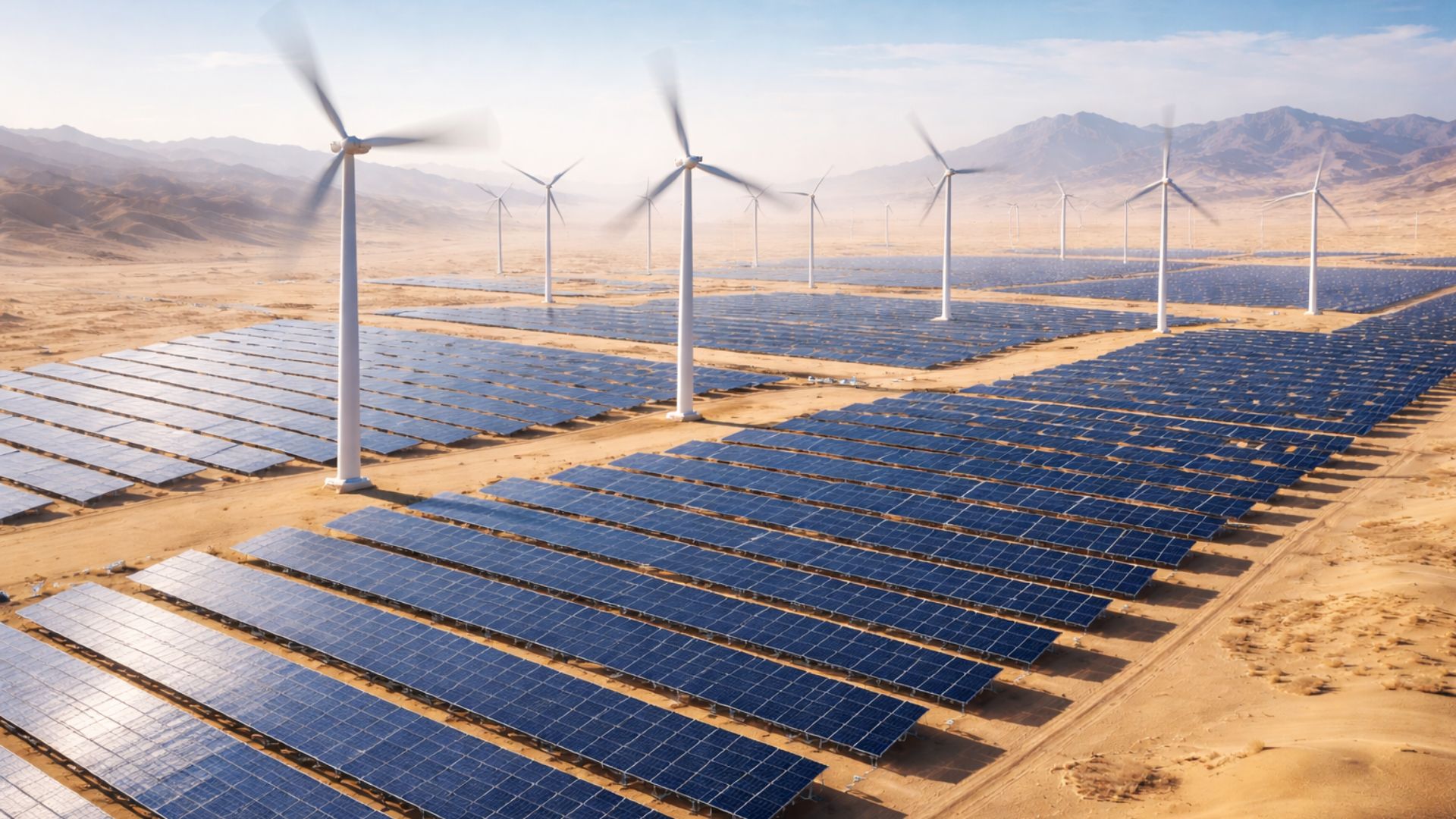

Egypt Accelerates Renewable Energy Projects by Opening Vast Areas for Solar and Wind Farms, Attracting Investments, Strengthening the Economy, and Expanding Sustainable Technological Leadership.
The Egypt has placed energy transition at the center of its national strategy by updating, in 2025, its renewable energy expansion plan and aligning environmental goals with economic growth. According to a publication from the TV BRICS website on February 14, the decision involves not only expanding solar and wind farms but transforming the electrical sector into a technological leverage capable of attracting investments, generating skilled jobs, and positioning the country as a reference in energy innovation in North Africa and the Middle East.
Egypt Seeks Alignment with International Climate Commitments
The movement gained prominence after the government announced the allocation of a very large territorial area for clean generation projects, accompanied by regulatory incentives and long-term energy purchase contracts. This combination of factors creates a safer environment for investors and strengthens the financial predictability of the sector. In practice, the country aims to reduce dependence on fossil fuels, enhance energy security, and boost production chains linked to green technology.
Another key point is alignment with international climate commitments. By setting targets for the share of renewable sources in its electrical matrix, Egypt reinforces its image as a nation committed to sustainability and innovation. This positioning also expands opportunities for international cooperation and external financing, elements that accelerate the implementation of large-scale projects.
-
Fired during apartheid and with a little borrowed money, an electrician started with a borrowed truck and transformed electrical services into a group connected to energy, real estate, and infrastructure in South Africa.

-
Wood has ceased to be just a construction material in Yale research and has become insulation for electrical transformers that face intense heat, aging, and increasing pressure from the renewable energy-powered grid.
-
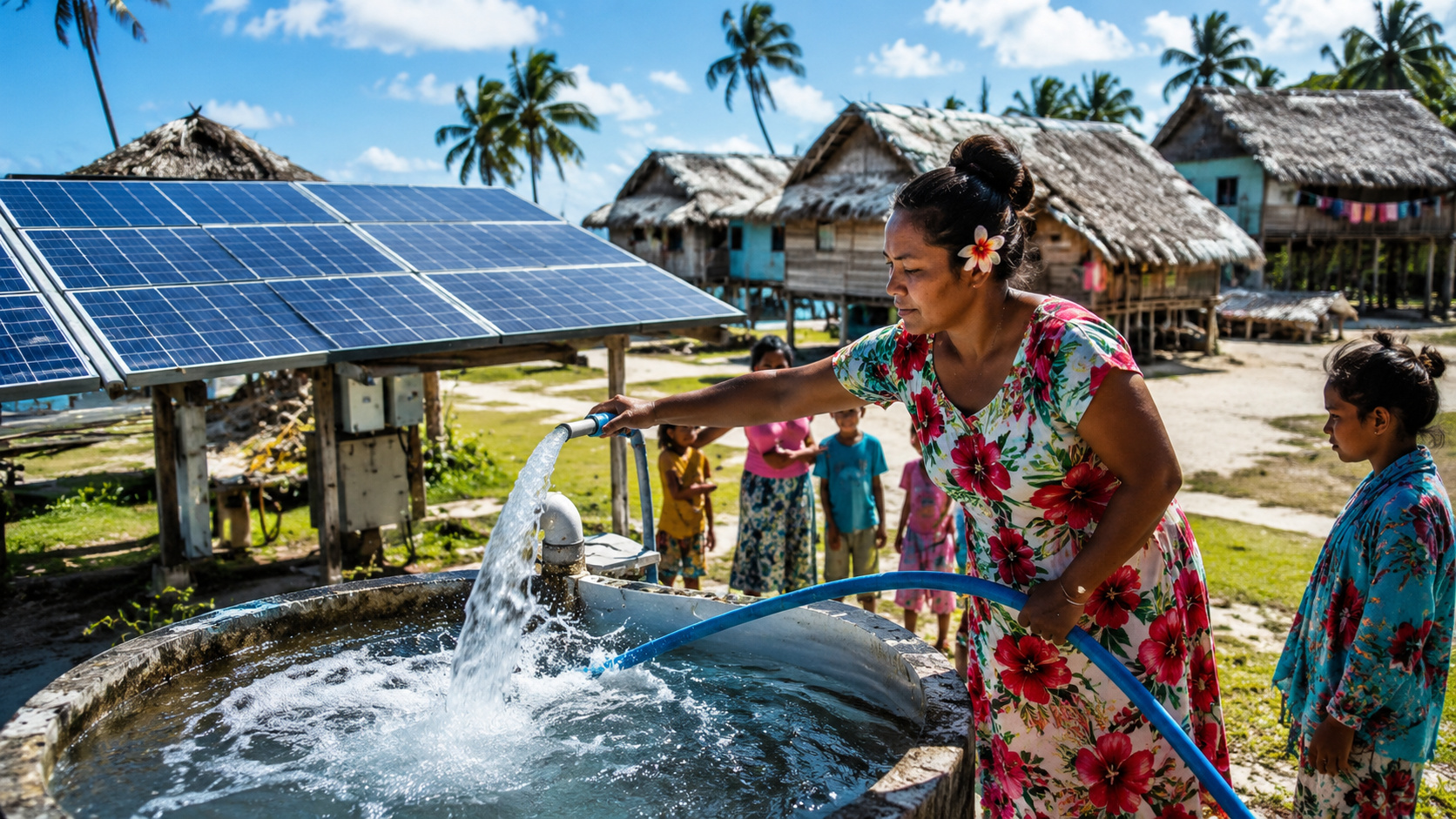
More than 1,000 residents of a remote island in Kiribati now have clean water and electricity with solar systems operated by the community itself.
-
Ceará brings together 7 giants and R$ 66 billion to transform Pecém into the largest green hydrogen hub in Brazil, with final decisions expected by the end of 2026.

Egypt and Renewable Energy: The Strategic Turn for the National Economy
The update of the Sustainable Energy Strategy marks a structural change in Egyptian energy policy. The plan establishes clear targets to increase the presence of clean sources over the coming decades, gradually reducing dependence on oil and natural gas. This decision represents not only an environmental advancement but a long-term economic choice.
By prioritizing clean generation, the country seeks cost stability and budget predictability. The volatility of the international fossil fuel market historically impacts importing economies, and energy diversification acts as a mechanism for financial protection. Thus, renewable expansion is no longer solely ecological but becomes part of the logic of economic security and national sovereignty.
The strategy also creates conditions for the development of parallel technological sectors. Research, electrical engineering, data science, and industrial automation become central to the modernization of the electrical system. This contributes to the formation of specialized labor and increases the competitiveness of the country in high value-added areas.
Designated Territory and Large-Scale Energy Security
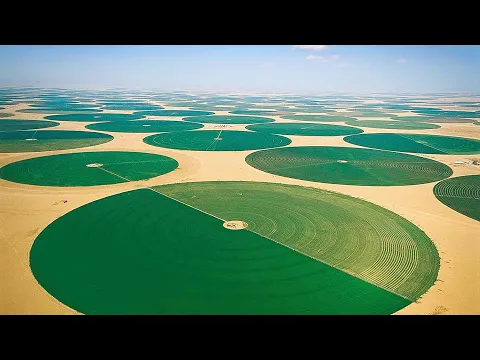
One of the most significant points of the plan is the allocation of more than 40,000 square kilometers of land for solar and wind projects. The choice of desert areas and regions with favorable winds reveals a technical planning that considers geographical and climatic factors. The country has a high annual solar radiation index, a condition that favors large-scale photovoltaic production.
Energy security is one of the main expected benefits. By increasing internal generation, the government reduces vulnerabilities associated with imports and fluctuations in international prices. This energy stability strengthens industrial sectors, stimulates investments, and reduces the risks of shortages during periods of global crisis.
In addition, the creation of energy hubs in less industrialized regions can promote economic decentralization. New projects generate infrastructure, connectivity, and local job opportunities. This indirect effect amplifies the social impact of the energy transition and strengthens regional development.
Regulatory Reforms and a Favorable Environment for Investors
To facilitate the sector’s expansion, the government has reinforced its legal framework with the approval of a new electricity law aimed at attracting private capital. The measure includes contractual guarantees, regulatory predictability, and financial incentives that reduce risks for foreign and national investors. Long-term energy purchase contracts are an essential part of this model.
Legal security is one of the most valued elements in the global energy market. By offering clear rules and institutional stability, the country becomes more competitive in the race for resources destined for green projects. This dynamic accelerates the implementation of plants, increases installed capacity, and strengthens the credibility of the electrical sector.
Another relevant factor is the creation of public-private partnerships that share costs and responsibilities. This model allows large enterprises to progress without overburdening the state budget. The result is a faster but financially balanced expansion, aligned with environmental and industrial goals.
Expansion of Installed Capacity and Technological Modernization
The current renewable generation capacity of Egypt has already surpassed nine thousand megawatts, considering solar, wind, and hydroelectric sources. The official goal is to reach twenty-four gigawatts by the end of the decade, which represents a significant leap in clean production. This growth requires robust investments in infrastructure and distribution technology.
Modernization is not limited to the construction of plants. The country is also investing in smart grids, energy storage systems, and digitization of electrical control. These technologies enable greater operational efficiency, reduced losses, and better demand management. The use of data and automation enhances system reliability and lowers maintenance costs.
This modernization process strengthens the country’s image as an emerging technological hub. The integration between energy and digital innovation creates opportunities for startups, research centers, and advanced engineering companies. The energy transition thus also becomes a broad technological transformation.

Egypt: Renewable Energy and the Strengthening of the Local Industry
Another strategic axis involves developing the domestic production of components for solar and wind energy. The country has the availability of raw materials and growing industrial capacity, factors that allow for reducing imports and stimulating the national production chain. Local manufacturing of solar panels, turbines, and metal structures generates jobs and transfers technical knowledge.
This movement strengthens industrial independence and creates a virtuous cycle of innovation. Local companies begin to invest in research and development, while universities expand technical and scientific training programs. The synergy between industry and education helps elevate the country’s technological level.
Besides the direct economic impact, local production reduces logistical costs and increases international competitiveness. With lower dependence on external suppliers, the energy sector gains resilience and the capacity for continuous expansion. Strengthening the industry also opens doors for the export of specialized equipment and services.
International Cooperation and Technology Exchange
The Egyptian energy transition does not occur in isolation. Partnerships with countries and multilateral institutions expand access to financing, technology, and technical knowledge. This exchange accelerates the implementation of projects and reduces the time needed to consolidate new energy solutions.
International cooperation also strengthens the country’s presence in global sustainability forums. By participating in joint initiatives, Egypt enhances its visibility and attracts new investors interested in emerging clean energy markets. This process contributes to consolidating the country as a regional reference in energy innovation.
Access to advanced technologies allows for modernizing equipment and optimizing generation and distribution processes. This constant updating ensures greater efficiency and positions the national energy sector in line with international standards of quality and performance.
Renewable Energy: An Energy Horizon that Redefines Development
The strategy adopted by the Egypt demonstrates that the expansion of renewable energy can be a real driver of economic growth and technological modernization. The combination of clear goals, significant land allocation, regulatory incentives, and industrial strengthening creates a solid foundation for a new cycle of sustainable development.
By investing in innovation, international cooperation, and local production, the country not only expands its clean matrix but also builds a favorable environment for global competitiveness. The energy sector becomes a vector of economic, scientific, and social transformation. For the international scenario, the Egyptian case illustrates how well-structured energy policies can redefine a nation’s role on the technological and industrial map of the 21st century.