






 Portuguese
  Spanish


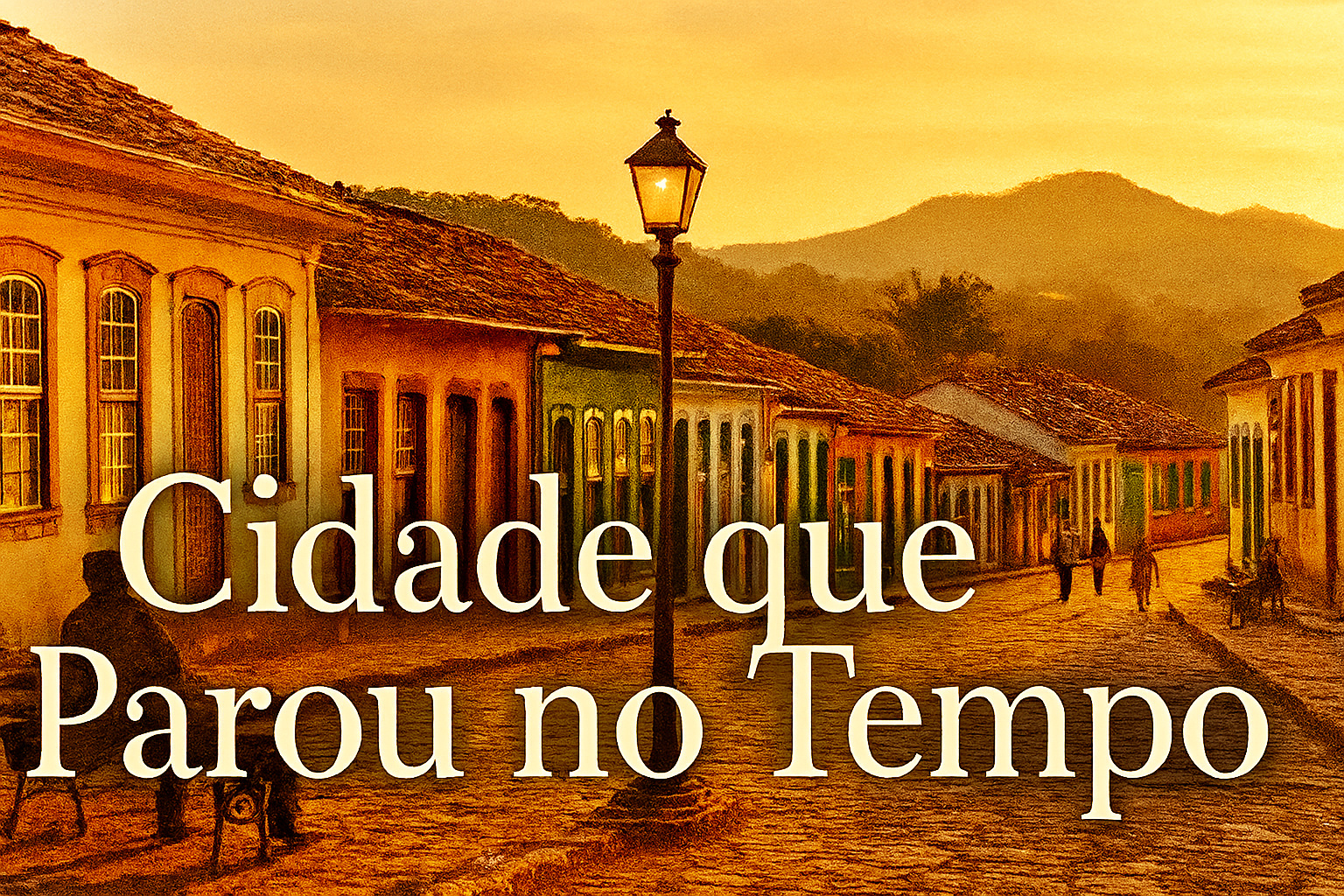


In Goiás Velha, the Former State Capital, Time Seems to Have Stopped in the 1950s. With Cobblestone Streets, Colorful Mansions, and a Tranquil Life, the City is a Historical Refuge that Preserves the Essence of Colonial Brazil.
In the heart of the state of Goiás, there is a place where modernity still respects the past. The municipality of Goiás, affectionately known as Goiás Velha, is one of the rare Brazilian cities that seem to have frozen in time. With just over 22,000 inhabitants, the ancient colonial setting retains its architecture, traditions, and even the simple way of life from a time when the clock moved slower and life unfolded on the sidewalks.
A Living Heritage of Brazilian History
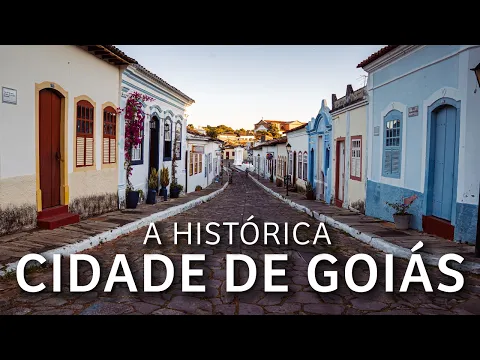
Founded in the 18th century, during the gold rush, Goiás Velha was the first state capital, and still today is a living testament to colonial Brazil. Its narrow streets and sidewalks made of irregular stones were shaped by pioneers and miners, who arrived in the region in search of riches and left marks that time could never erase.
The city was declared World Heritage Site by UNESCO in 2001, a recognition that ensures protection to its unique architectural ensemble — formed by colorful mansions, baroque churches, and squares that maintain the original aesthetic harmony of the colonial period. Unlike so many other Brazilian historic centers that have modernized, Goiás has preserved not only its appearance but the spirit of the time.
-
UAE Installs 16 Giant Concrete Coffers in Abu Dhabi Waters to Build 600-Meter Quay for Mega-Yachts and Debut New Technique

-
Flexible PEX Plumbing Revolutionizes Bathrooms and Kitchens, Reducing Hidden Connections and Speeding Up Installations
-
Brazil Launches Ambitious Project to Transform Empty Medicine Blisters into Sustainable Solutions
-
Brazil Unveils Search and Rescue Drone Capable of Carrying 50 kg, Equipped with Thermal Camera and Lifebuoy Deployment for River, Flood, Beach, and Remote Area Assistance


Where Haste Has No Place
In Goiás Velha, time follows a different rhythm. While large urban centers accelerate with honks and skyscrapers, there the residents walk calmly, greet each other in the streets, and exchange stories on the porches.


The local commerce closes early, the church bell still marks the rhythm of hours, and on hot afternoons, it is common to see neighbors gathered at their doorsteps, keeping alive the tradition of community living.
Visitors often find themselves enchanted by the feeling of being in another century. The cobbled streets, pastel-colored facades, and the aroma of food being prepared on a wood-burning stove create an atmosphere that directly evokes the 1950s.
Architecture and Culture That Withstand Time
One of the city’s greatest treasures is its ensemble of colonial churches and mansions, many of which have been preserved for over two centuries. The Church of Our Lady of the Rosary, dating from 1734, is one of the most notable examples of Goian baroque architecture, built with simple materials and artisanal techniques.
Another highlight is the Cora Coralina House Museum, located on the banks of the Rio Vermelho. The mansion was the home of the most famous Goian poet in the country, and today it preserves personal items, manuscripts, and original furniture, offering a deep immersion into the culture and sensitivity of the Brazilian countryside.
In addition to Cora, the city is also home to the International Festival of Environmental Cinema and Video (FICA), an event that unites tradition and modernity, attracting visitors from all over the world without breaking the local tranquility.
Traditions Passed Down From Generation to Generation
The residents of Goiás Velha take pride in preserving rituals and customs that date back to the colonial period. The Boa Morte Festival, for example, is a religious celebration with over 200 years of history, marked by processions, songs, and traditional attire that blend elements of Catholicism with Afro-Brazilian culture.
In gastronomy, the flavors also withstand modernization. Recipes such as empadão goiano, chica doida, and arroz com pequi continue to be prepared artisanally, often in clay pots and with ingredients harvested from the backyard.
These elements help explain why visitors arriving in the city feel that time slows down — and that, in some way, the old Brazil still exists there.
Between the Past and the Future: The Challenge of Preservation
Living in Goiás Velha is to coexist with the beauty and the challenge of preservation. UNESCO’s designation imposes restrictions on renovations and new constructions, ensuring the city’s visual integrity, but also requiring constant effort from residents and public authorities.
The Department of Culture and the National Institute of Historic and Artistic Heritage (IPHAN) maintain restoration programs and incentives for cultural tourism, trying to balance economic growth with the protection of historical heritage.
Despite the challenges, Goiás Velha is a rare example of balance between the past and the present. There, Wi-Fi may even be available, but the soul of the city remains analog, made of silence, hospitality, and memories.
A Historical Refuge in Times of Accelerated Modernity
For those living the hustle of major urban centers, visiting Goiás Velha is like crossing a temporal border. The visitor finds themselves facing a landscape that seems to have stopped in the 1950s, yet pulsates with life, with people who resist, produce, and dream.
The sound of carts, the smell of freshly brewed coffee, conversations at the windows, and the sunset reflected in the waters of the Rio Vermelho create a portrait of Brazil that insists on remaining authentic.
More than a city, Goiás is an invitation to pause. A reminder that progress doesn’t have to erase the past — and that, amid the noise of modernity, there are still places where time insists on moving slowly.


