






 Portuguese
  Spanish


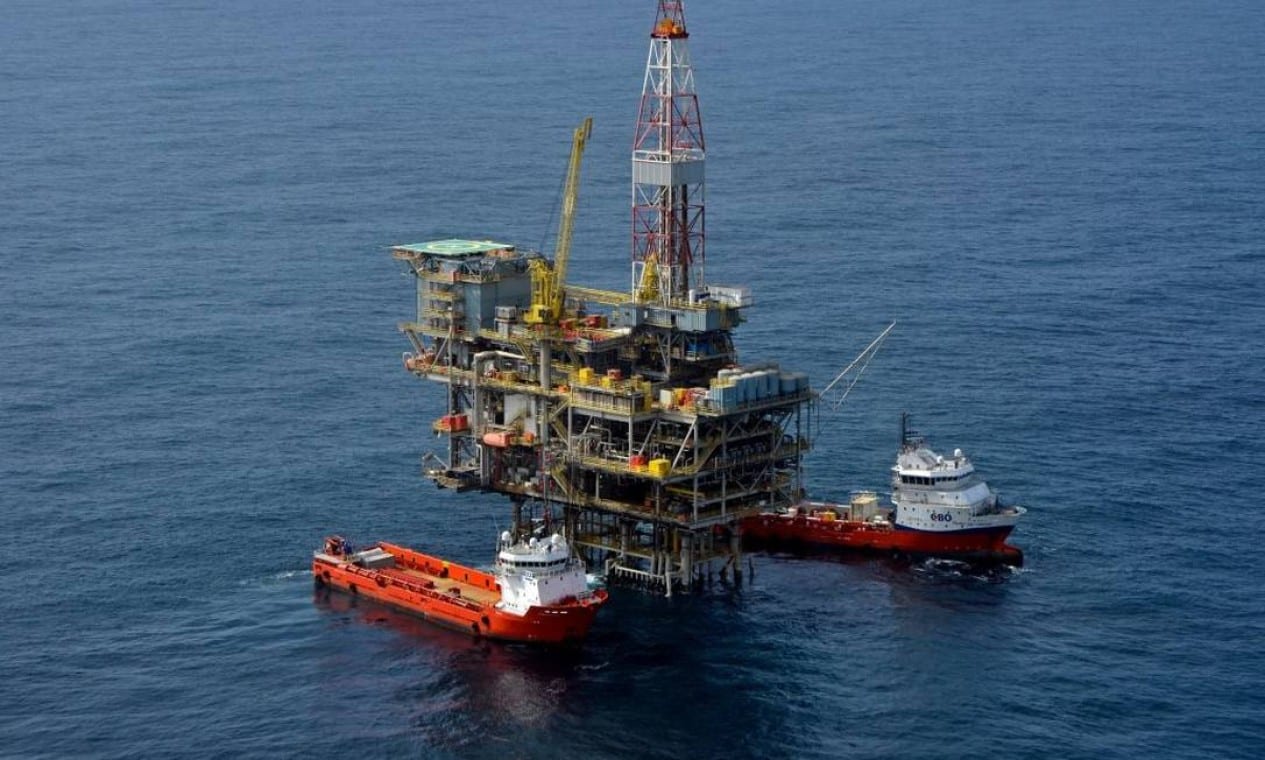

The Peregrino Field Is the Largest for Equinor Outside Europe
Peregrino’s production was halted in April 2020. Since then, Equinor has carried out an extensive maintenance, upgrade, and repair program on the FPSO and installed a new platform, Peregrino C. Together, these investments allowed for the safe restart of production, increasing the field’s total production capacity and reducing carbon emission intensity.
Equinor President in Brazil Speaks Out
“Our main priority is the safety of our personnel and our operations. Investments in technology, new equipment, and maintenance have allowed us to safely resume production at Peregrino and prepare for the start of the new Peregrino Phase 2 project“, said Verônica Coelho, president of Equinor in Brazil.
Peregrino is the largest field operated by Equinor outside Norway and the first of a series of major field developments in Brazil. The remaining reserves of Peregrino Phase I are estimated at 180 million barrels.
-
SpaceX Plans 13 km Pipeline to Reduce Truck Reliance and Speed Up Starship Rocket Launches in the U.S.

-
Petrobras Begins Drilling Controversial Oil Well in Brazil’s Equatorial Margin Near the Amazon River Mouth
-
Petrobras Sets Record with 2.66 Million Barrels Per Day in Brazil’s Pre-Salt Oil Production
-
Petrobras to Double Natural Gas Supply in Northeastern Brazil with New Investment

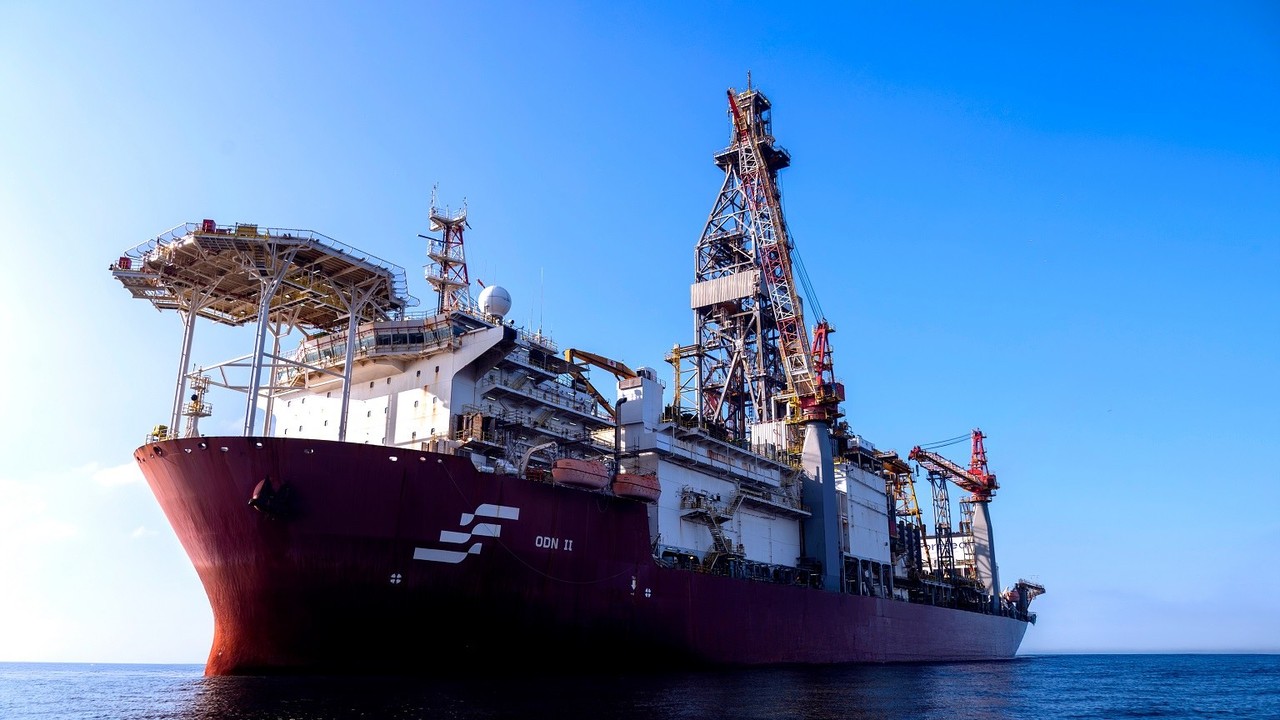


Peregrino C
Alongside repairs and maintenance on the FPSO, the third platform, Peregrino C, was installed and is advancing toward the start of production, with first oil expected in the third quarter of 2022. The new platform is part of the Peregrino Phase II, which will extend the life and value of the field and add 250-300 million barrels.
“I am proud of the hard work that our teams have done during the Covid pandemic to bring the field back to life and upgrade the facilities. More than 1,200 people have worked together abroad in recent months,” adds Verônica Coelho.
In line with Equinor’s low-carbon strategy, significant investments have been made to reduce CO2 emissions from the field. Once operational, Phase II will reduce Peregrino’s emissions by 100,000 tons of CO2 per year. This will be achieved through the implementation of digital solutions to optimize energy consumption, as well as gas turbines to drastically reduce and replace diesel consumption.
Understanding the Phases of the Peregrino Field
Peregrino Phase I consists of the FPSO unit, supported by the Peregrino A and Peregrino B wellhead platforms. Peregrino II consists of the Peregrino C wellhead platform and related infrastructure. The platform will extend the field’s lifespan and add 250-300 million barrels, as previously mentioned.
Equinor is preparing to start Phase 2 of Peregrino, with first oil expected in the third quarter of 2022. Peregrino is the largest field operated by Equinor outside Norway and the first of a series of major field developments in Brazil. The remaining reserves of Peregrino Phase I are estimated at 180 million barrels.
Located in the Campos Basin, the Peregrino field began production in 2011. Equinor is the operator (60%), with Sinochem (40%) as a partner in the field. Peregrino Phase I consists of an FPSO unit, supported by two wellhead platforms — “Peregrino A” and “Peregrino B”. Peregrino II consists of one wellhead platform, the “Peregrino C”.


