Portuguese
  Spanish




Scandal in Goiás Exposes Suspicions of Million-Dollar Frauds in Rural Credit, with Farm Sales, Banking Operations and Movements Involving Influential Producer and Financial Cooperative Leaders Under Investigation by Civil Police.
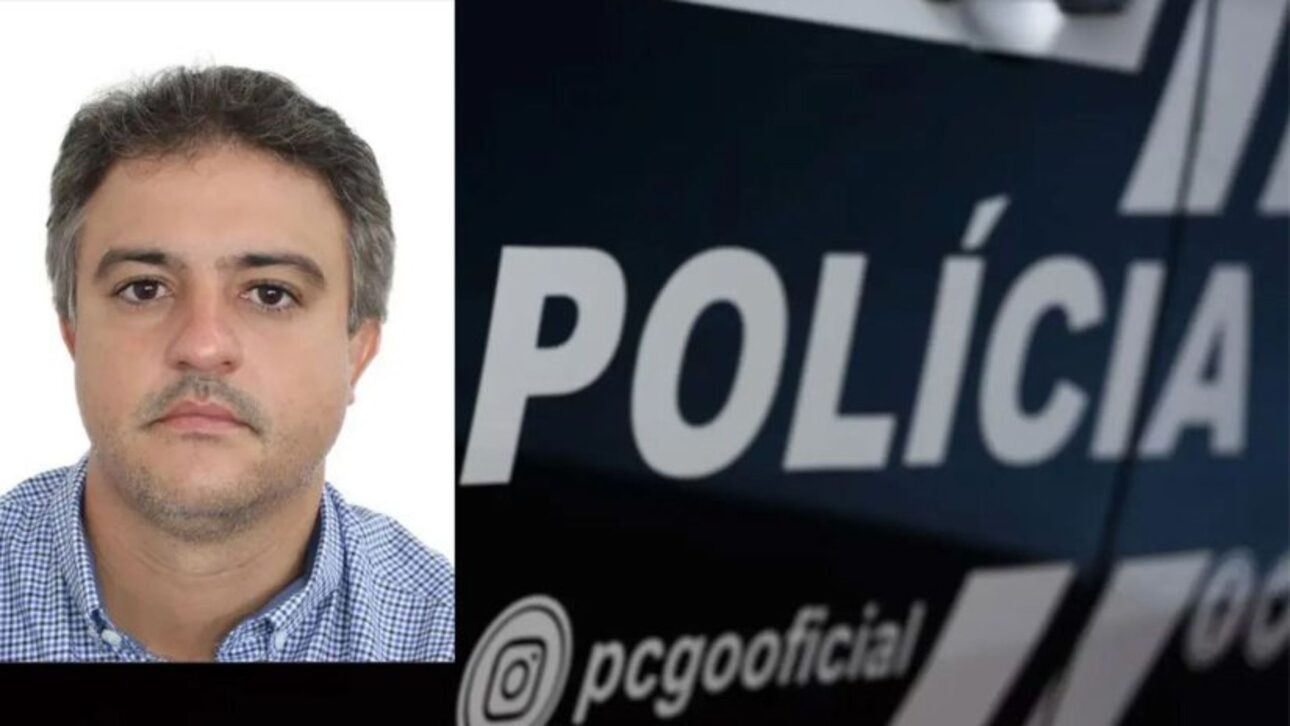
The Civil Police of Goiás is investigating an alleged fraud scheme involving the farmer Thiago da Matta Fagundes and leaders from Sicoob.
The inquiry nº 269/2023 investigates fraud, ideological falsehood, procedural fraud, money laundering and organized crime.
In total, the penalties provided by law can exceed 30 years of imprisonment, in addition to fines.
-
Small Farm in Brazil’s Minas Gerais Produces 403 Liters of Milk Daily, Sets Benchmark for Rural Producers

-
Man Revives 1930s Abandoned Trout Farm, Learns from Scratch, and Earns $1.1 Million Annually Selling Fish to Michelin-Starred Restaurants

-
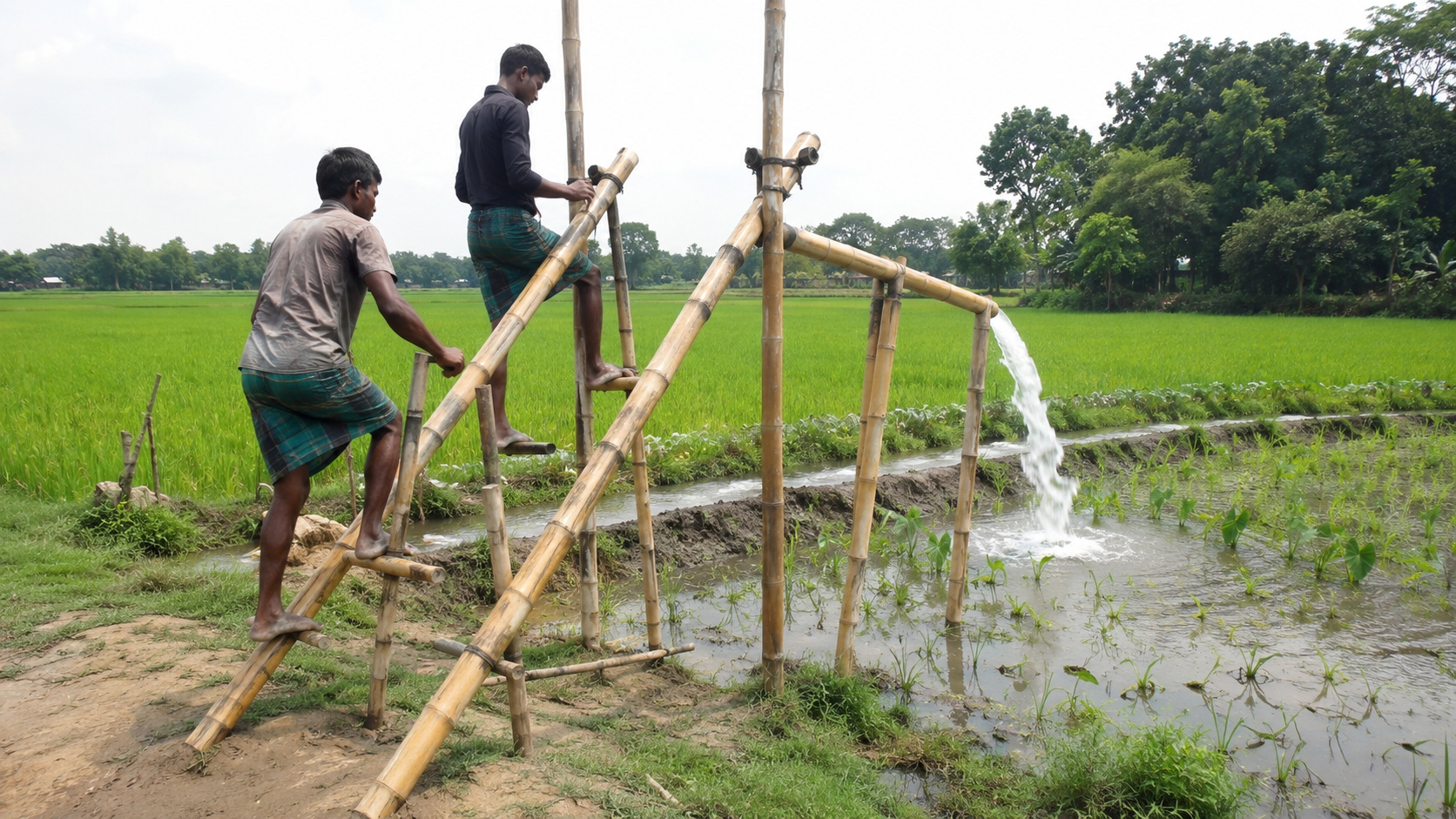
Bangladeshi Farmers Use Bamboo Levers to Pump Thousands of Liters of Water Daily Without Engines or Electricity
-
Brazilian Forests Could Expand by an Area Twice the Size of Switzerland by 2035, but Agricultural Sector Holds the Key, Study Finds




As published by the portal Compre Rural, the case came to light after the sale of farms in Porangatu (GO) and financial operations that, according to the investigation, allegedly used the same properties as collateral in more than one credit operation.
Farm Business in Porangatu Initiated the Investigation
The investigations began after a complaint from businessman Fabiano Alves Tavares, who negotiated the purchase of three plots valued at R$ 34 million.
To facilitate the deed, he transferred R$ 6.9 million to Thiago, an amount that, according to the report, was supposed to pay off debts with Sicoob and free the properties for registration.
The transaction was reported by the specialized press in 2024 and became part of the inquiry documentation. Subsequently, the situation complicated.
Instead of directing the funds to settle the debt, Thiago allegedly signed a new Bank Credit Note (CCB nº 926994), valued at R$ 14 million, keeping the same areas already negotiated with the buyer as collateral.
This measure blocked the registration of the property in Fabiano’s name and triggered requests for clarification to the authorities.
The Role of Sicoob in the Case
According to reports from the Civil Police, Sicoob was aware of the negotiations between the seller and the buyer.
Nevertheless, the cooperative authorized the renegotiation of the liability, preserving the properties already committed in the sale as collateral.
In testimony, the legal director of the institution, Angélica Araújo Diniz, stated that she monitored the conversations and confirmed that the areas remained linked to the operations.
Documents and exchanges of messages attached to the inquiry indicate, according to the investigation, the occurrence of simulated withholdings in accounts.
For the investigators, this practice could be classified as procedural fraud and, depending on the financial flow, constitute money laundering.
The investigation, therefore, targets both the conduct of the producer and the possible involvement of cooperative leaders in the decisions that kept the assets as collateral.
Million-Dollar Transfers Draw Attention
One point highlighted in the inquiry material is the circulation of resources to third parties.
On July 4, 2023, there was a transfer of R$ 4.3 million from Thiago’s account to Marco Túlio Marcelino, the father-in-law of the investigated.
This transfer is part of the transaction map reconstructed by the police team and helps to form the timeline of the operations under analysis.
In addition to the farms in Porangatu, the records indicate that the investigated party allegedly used interposed individuals and shell companies to secure high-value loans and move capital outside the conventional radar.
The estimated total loss exceeds R$ 100 million, affecting rural producers, financial institutions, and investment funds, according to the gathered evidence.
Victims and Losses Revealed
The pieces of the inquiry list cattle ranchers who reportedly lost land and herds after operations that did not materialize as promised.
There is reference to funds that accepted guarantees later questioned.
In a specific episode, the investigation claims that there was forgery of a public deed of a farm valued at R$ 100 million with the aim of raising credit with Itaú.
This case, according to the police, illustrates the pattern of conduct under investigation. In Porangatu, Thiago is described as a well-known figure.
Reports gathered by the police describe residents’ and investors’ fear of possible repercussions, given the influence attributed to the investigated individual and the history of commercial conflicts narrated by potential victims.
These accounts were formalized and became part of the evidence base of the investigation.
Crimes Under Investigation and Penalties
The Civil Police impute to the investigated parties the practice of fraud, ideological falsehood, procedural fraud, money laundering, and organized crime.
The maximum penalties provided in the Penal Code and related legislation vary, in theory, up to five years for fraud and falsehood, two years for procedural fraud, and three to ten years for money laundering, in addition to three to eight years for organized crime.
Considered together, the sanctions can exceed the mark of three decades in prison, without prejudice to fines and civil damages.
It is important to emphasize that all those mentioned are under investigation and have the right to due process and a broad defense.
Any criminal charges depend on the evaluation of the Public Prosecutor’s Office based on the evidentiary material submitted by the police.
Until a final judicial decision is reached, the presumption of innocence applies.
Official Disclosure and Search for New Victims
Due to public interest, the authorities mentioned in the inquiry have stated that they disclosed the name and image of the main suspect, with the aim of identifying new cases.
Individuals who have made similar dealings are advised to contact the 4th Police Station of Goiânia and present documents that may assist the investigation.
The gathered material tends to reinforce the identification of patterns and the assessment of responsibilities.
Impacts on Rural Credit and Next Steps
The case exposes weaknesses in governance and compliance in rural credit operations, especially when assets are kept as collateral in different negotiation fronts.
At the same time, the investigation sheds light on the need for reinforced checks by cooperatives and banks when restructuring debts, especially when there is prior knowledge of buying and selling transactions involving the assets given as collateral.
According to the Civil Police, the final report concludes the existence of collusion between Thiago and Sicoob leaders.
With the completion of the diligences, the records must be sent to the Public Prosecutor’s Office, which will decide on the filing of charges and the potential criminal liability of those involved.
Any precautionary measures, such as asset unavailability and blocking of values, depend on an analysis by the Judiciary based on the elements presented.
While the Public Prosecutor’s Office evaluates the documents, interested parties are advised to keep and present contracts, transfer receipts, written communications, and any record of guarantees linked to the operations.
These items are usually decisive in verifying the chain of ownership and the coherence between the obligations assumed and the offered assets.
Future of the Investigation
The investigation is likely to advance on the origin of the funds, the flow of values between related accounts, and the possible involvement of third parties in promoting allegedly irregular guarantees.
If suspicions are confirmed, new fronts may be opened to investigate civil and administrative responsibilities of individuals and legal entities.
Moreover, the collection of new testimonies may enlarge the number of formal victims and redraw the map of the consolidated losses.
In light of this scenario, what control and transparency measures in rural credit should be adopted by cooperatives and producers to prevent operations with the same collateral from repeating and harming the entire agribusiness ecosystem?