






 Portuguese
  Spanish


Robots Are Changing Agriculture in Brazil. Discover the Technologies That Are Revolutionizing Harvesting with More Precision, Less Loss, and More Sustainability.
Technology has already taken root in the Brazilian countryside, and now robots are revolutionizing harvesting in various regions. Companies from countries like Japan, Israel, and the United States are already using these smart machines in their farms, and Brazil is starting to follow the same path.
The goal is clear: to increase productivity, reduce costs, and circumvent the lack of labor. This innovation has been gaining ground precisely because it offers more efficiency and sustainability to the agribusiness sector.
The presence of these robots in agriculture is becoming increasingly common.
-
Producer receives news and had to cull almost the entire herd, bounced back with the help of compensation, and is now producing 450 liters of milk per day in SC.

-
Quail Eggs Reveal a “Secret Code” on Their Shells Explaining Unique Patterns and Colors

-
Rare Tropical Fruit Canistel, with Egg Yolk Color and Caramel Flavor, Gains Interest from Researchers and Small Producers in Brazil
-
Brazilian Farmers Develop Wheeled Metal Lever to Ease Cassava Harvesting Without Heavy Machinery


Equipped with sensors, artificial intelligence, and high-precision cameras, they can identify and harvest fruits and vegetables at the right time, avoiding waste and delivering higher-quality products.
For many experts, this could be the turning point that Brazilian agribusiness needed to maintain its global competitiveness.
How Do the Robots That Harvest Work?
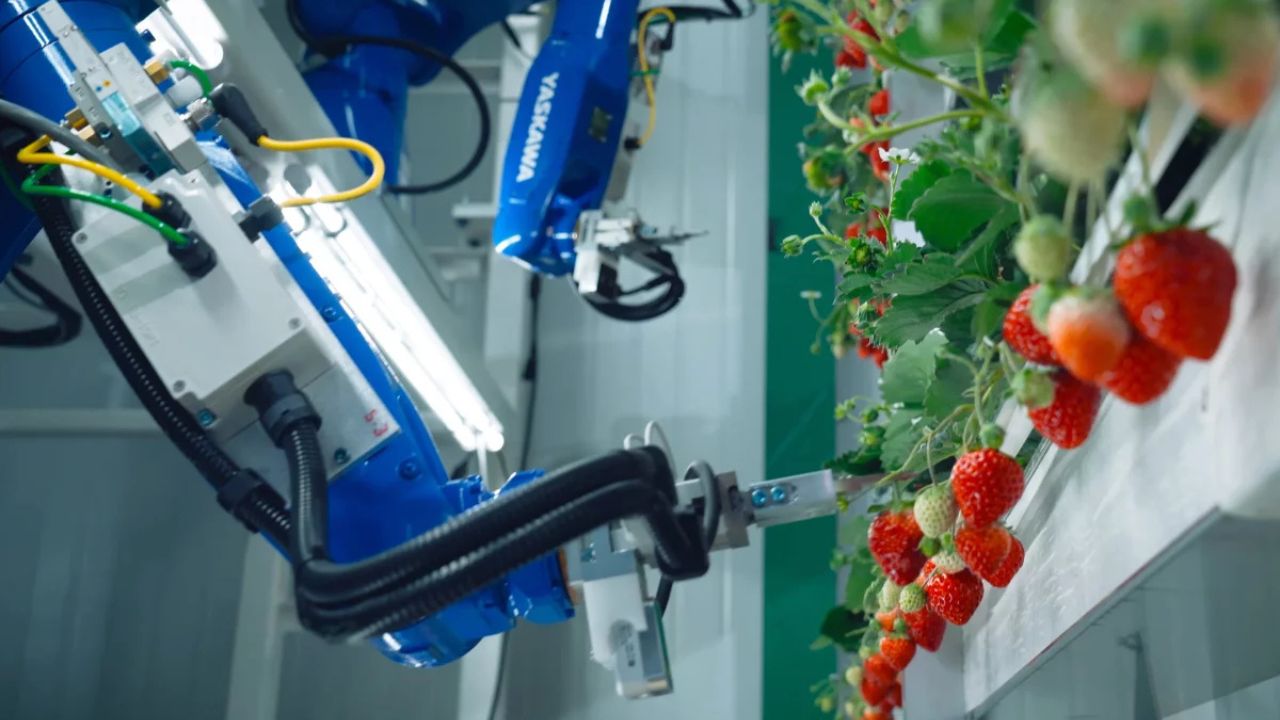
These harvesting robots are equipped with articulated mechanical arms, suction cups, and cutting systems that ensure precise and delicate collection.
Thanks to artificial intelligence, they analyze in real time the ripeness of the fruits, the surrounding environment, and even the health of the plants.
There are plenty of examples. The Japanese company Agrist uses robots that automatically harvest fruits on farms in the Kanto and Kyushu regions.
Meanwhile, Oishii in the U.S. applies this technology in vertical strawberry farms. In both cases, the robots also monitor temperature, light, and humidity, ensuring the best crop development.
Robots in Agriculture: More Production and Less Loss
One of the biggest advantages of these robots in agriculture is their precision during harvesting. With smart sensors, they select only the ripe fruits, avoiding loss and increasing the final quality.
This directly impacts the profit of the producer, who can negotiate their products at better prices in the market.
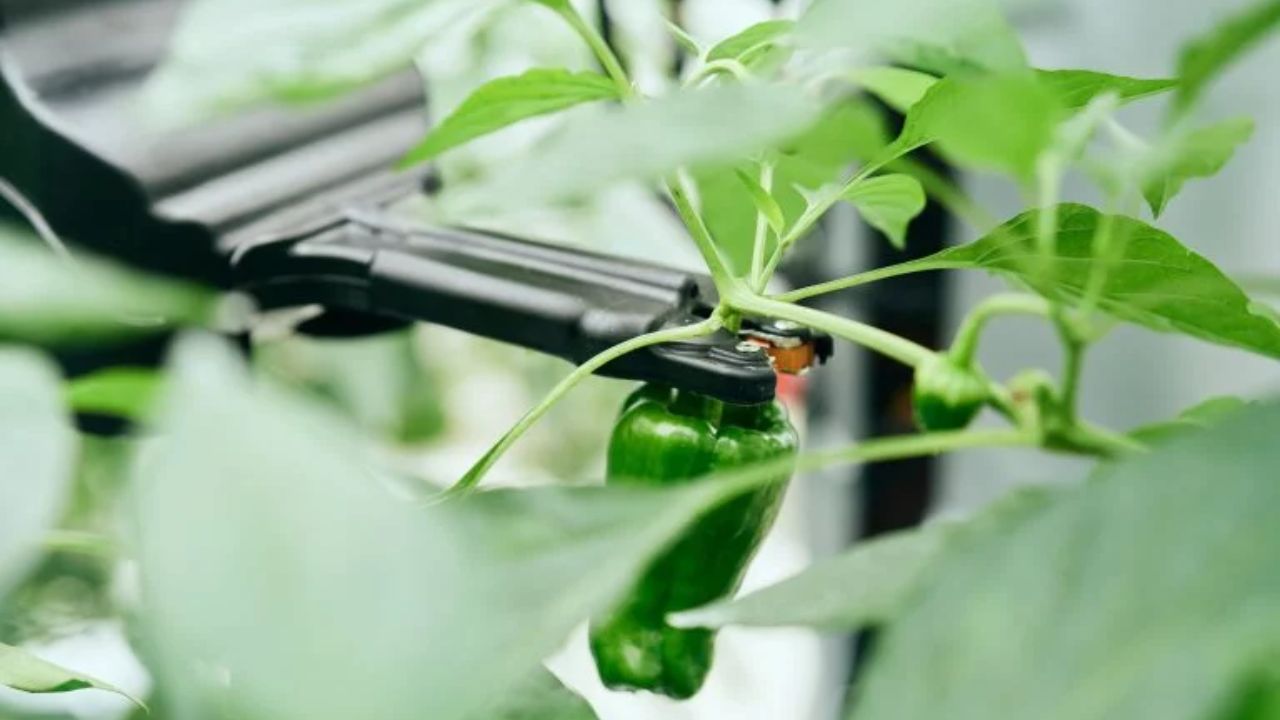
Additionally, automated harvesting prevents damage to the fruits, a common problem when harvesting is done manually or with conventional machines.
Thus, the end consumer also benefits, enjoying fresher and better-preserved products.
Economy and Valuation of Labor
Harvesting robots do not replace farm workers, but they change their roles. With these machines handling repetitive tasks, professionals can focus on activities that require more decision-making and experience.
As a result, producers can reduce long-term costs and improve workplace safety by decreasing physical labor and the risk of accidents.
In this case, automation acts as an ally of productivity and team valuation.
The use of robots in agriculture is also positive for the environment. More precise harvesting reduces waste of water and fertilizers.
Moreover, with the data collected by the machines, producers can make smarter decisions about irrigation, nutrition, and soil care.
All of this contributes to more sustainable agriculture, with less environmental impact and better results for producers.
What to Expect from Robots in Brazilian Agriculture?
In the coming years, the expectation is that harvesting robots will become even more autonomous and accessible.
The tip for producers is to start preparing now: seek information, visit technology fairs, and gradually invest in automation according to the needs of the farm.
As the sector itself says, the future of farming has already begun — and it is intelligent, automated, and full of opportunities.
With information from Agro Estadão.







