Portuguese
  Spanish


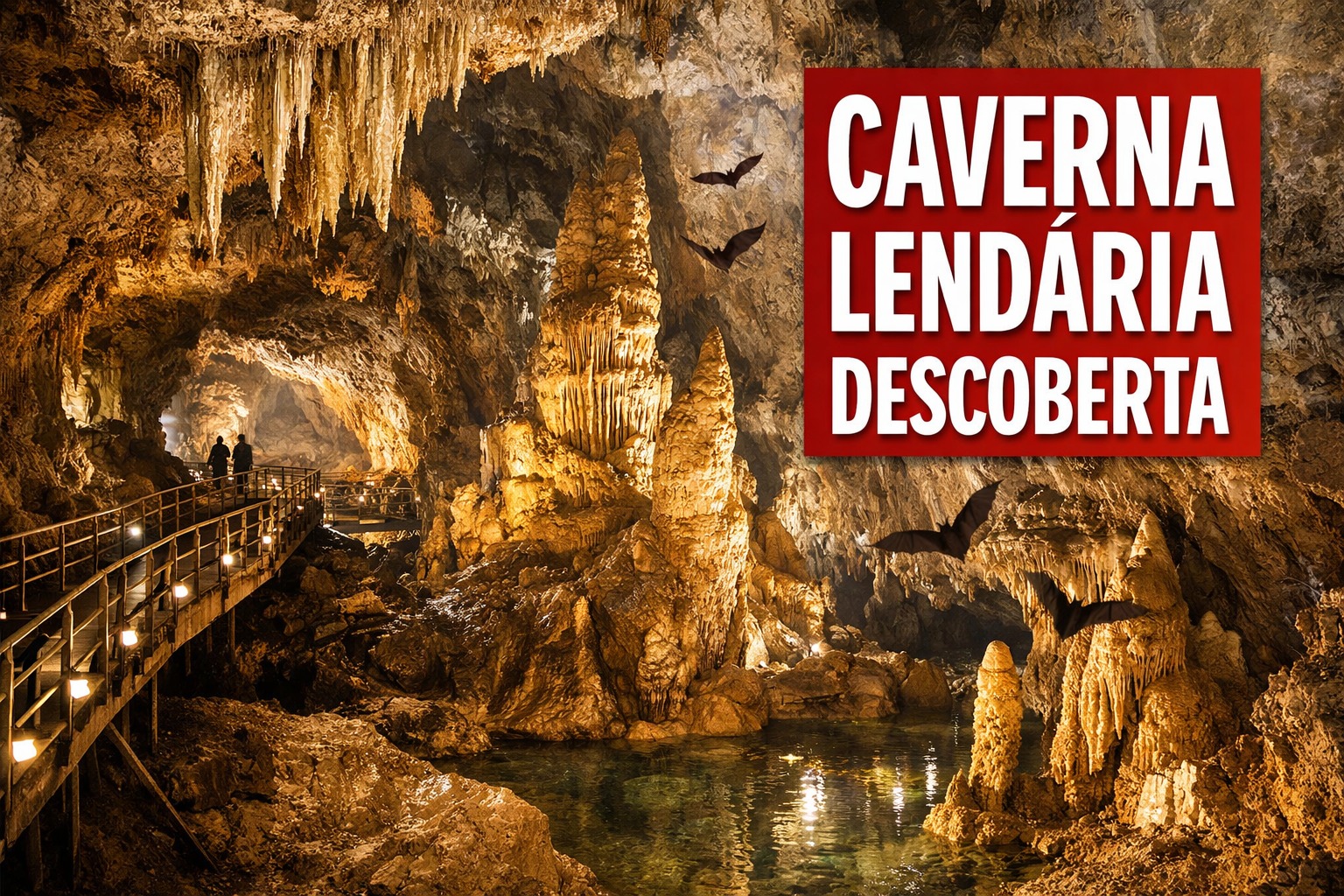

Accidental Discovery Revealed a Cave of Limestone with Millions of Years, Rare Bats, Illuminated Walkways, and Educational Park in the Heart of the Urban Center
On a cold day, those walking the narrow trails between residential buildings in Donghae, South Korea, hardly imagine that just below the concrete and everyday hustle and bustle lies a universe shaped over hundreds of millions of years.
Amid an apparently ordinary urban landscape, a discreet entrance leads to an underground scene that blends mystery, science, and preservation, revealing how nature and the city can coexist in a surprising way.
Discovered by chance in 1991 during excavations for a luxury apartment building, the Cheongok Cave quickly became a source of fascination.
-
Pennsylvania Mine Creates Ice in Summer Heat and Melts in Winter, Turning a Mountain Crevice into a Reverse Natural Refrigerator

-
China Accelerates Global Expansion of Robotics: From Smart Vacuums to Industrial and Humanoid Machines, Millions Exported to Over 150 Markets
-
Polar Air Mass to Hit Brazil: Temperatures to Plummet in Nine States, Near Freezing in the South with Frost Risk Until Monday
-
Chinese “dark factories” produce electric cars 24/7 with minimal human intervention, as Zeekr assembles 800 units daily, raising concerns in Brazil.





With about 1,510 meters in length, the limestone formation emerged over 400 million years ago, causing an immediate impact on the geological community.
After five years of research and maintenance, the space was opened to the public in 1996, transforming into an important site for visitation and study.

A Subterranean Treasure in the Heart of the Urban Center
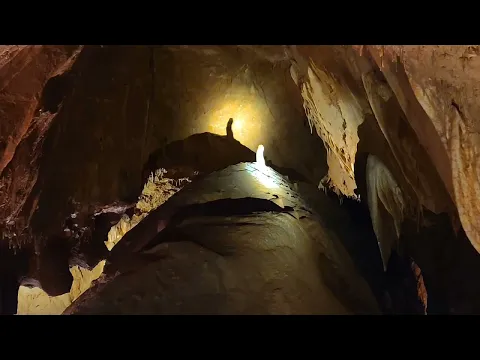
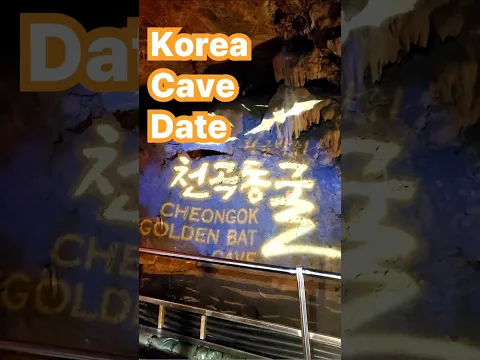
Known as the Cheongok Golden Bat Cave, it is the only limestone cave in Korea located right in the heart of an urban area.
It is estimated that its formation occurred between the Cambrian and Ordovician periods, around 400 to 500 million years ago.
Currently, 810 meters are open to visitation while the other 700 meters remain closed to ensure the survival of the golden bat.
This species with vibrant orange fur is extremely rare and protected as a Natural Monument, as well as being classified as endangered.
The division between accessible and restricted areas reflects the effort to balance tourism and conservation.
Legendary Cave: Forms Carved by Time
Walking through the internal walkways, visitors find stalactites hanging from the ceiling like delicate stone pendants, illuminated by lights that enhance their contours.
On the ground, stalagmites slowly rise, and at various points, they connect with the upper formations, creating robust columns that resemble natural pillars.
Another highlight is the fissures shaped by the flow of water over millions of years, considered the largest ever recorded in the country. Each detail reinforces the feeling of being in the presence of a living space, constantly changing.
Environmental Education and Contact with Nature
In addition to the cave, the complex houses the Nature Learning Experience Park. There, visitors walk the “Doline” trail, which features funnel-shaped formations in the ground, and learn about the Wildflower Park, which brings together more than 100 species of plants.
This set has become a pedagogical reference for the study of regional geography and botany.
The cave operates year-round, from 8:30 AM to 6 PM, with easy access via public transport, as several bus lines stop a three-minute walk from the entrance.
The presence of this geological relic amid modern housing reinforces how environmental preservation can go hand in hand with urban development, without one negating the other.
With information from Diário do Litoral.