Portuguese
  Spanish


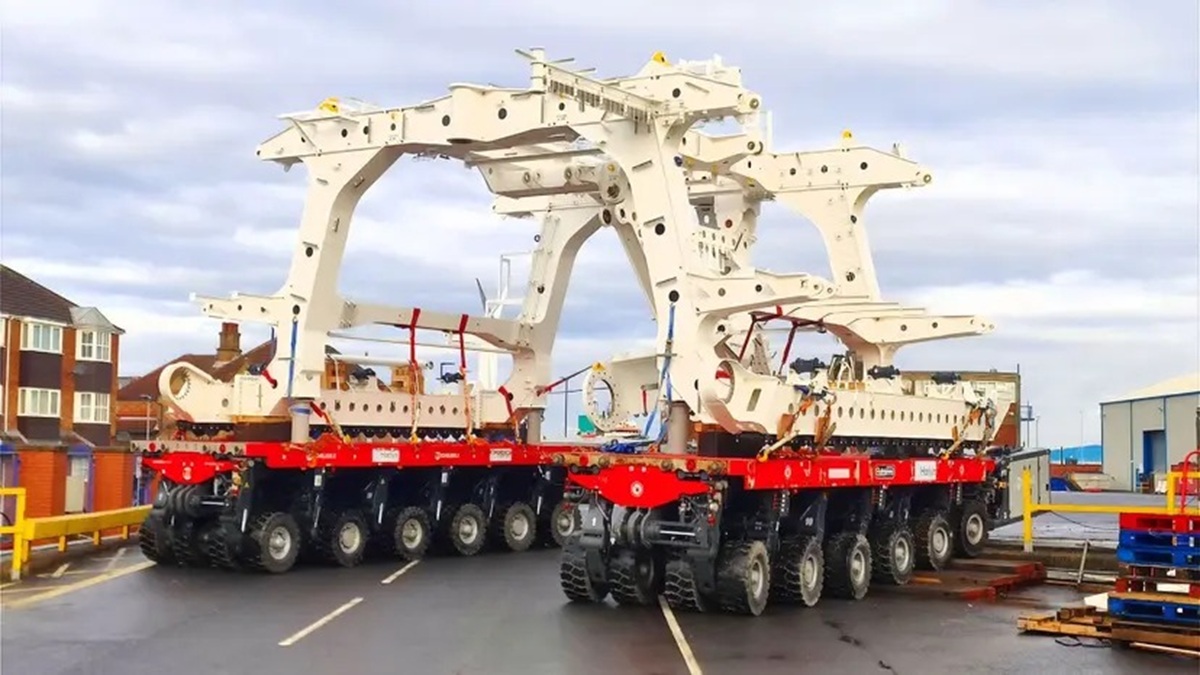


With a Power of 3,600 Horsepower and Expected Commercial Operation in 2027, the NKT T3600 Subsea Excavator Will Be Able to Bury Power Cables Up to 5.5 Meters Below the Seabed, Reinforcing the Protection of Critical Infrastructure and Meeting the Growing Demand for High-Voltage Connections Linked to Renewable Energies in the United Kingdom
The NKT T3600 subsea excavator has arrived at the port of Blyth in the United Kingdom to be equipped and put into operation, with the capacity to bury power cables up to 5.5 meters deep, reinforcing critical infrastructure and the demand for high voltage.
Subsea Excavator Reaches 5.5 Meters Below the Seabed
The subsea excavator, described as the most powerful underwater trenching machine in the world, will be able to bury cables at depths of up to 5.5 meters below the seabed.
Designed and built by the British company Osbit, a supplier of original equipment, the machine will be used by NKT, a Danish manufacturer of power cables and installation company.
-
She heard for decades that space was not a place for women, became a pioneer in aviation, was part of the Mercury 13, and at 82, finally traveled with Jeff Bezos before dying at 87.

-
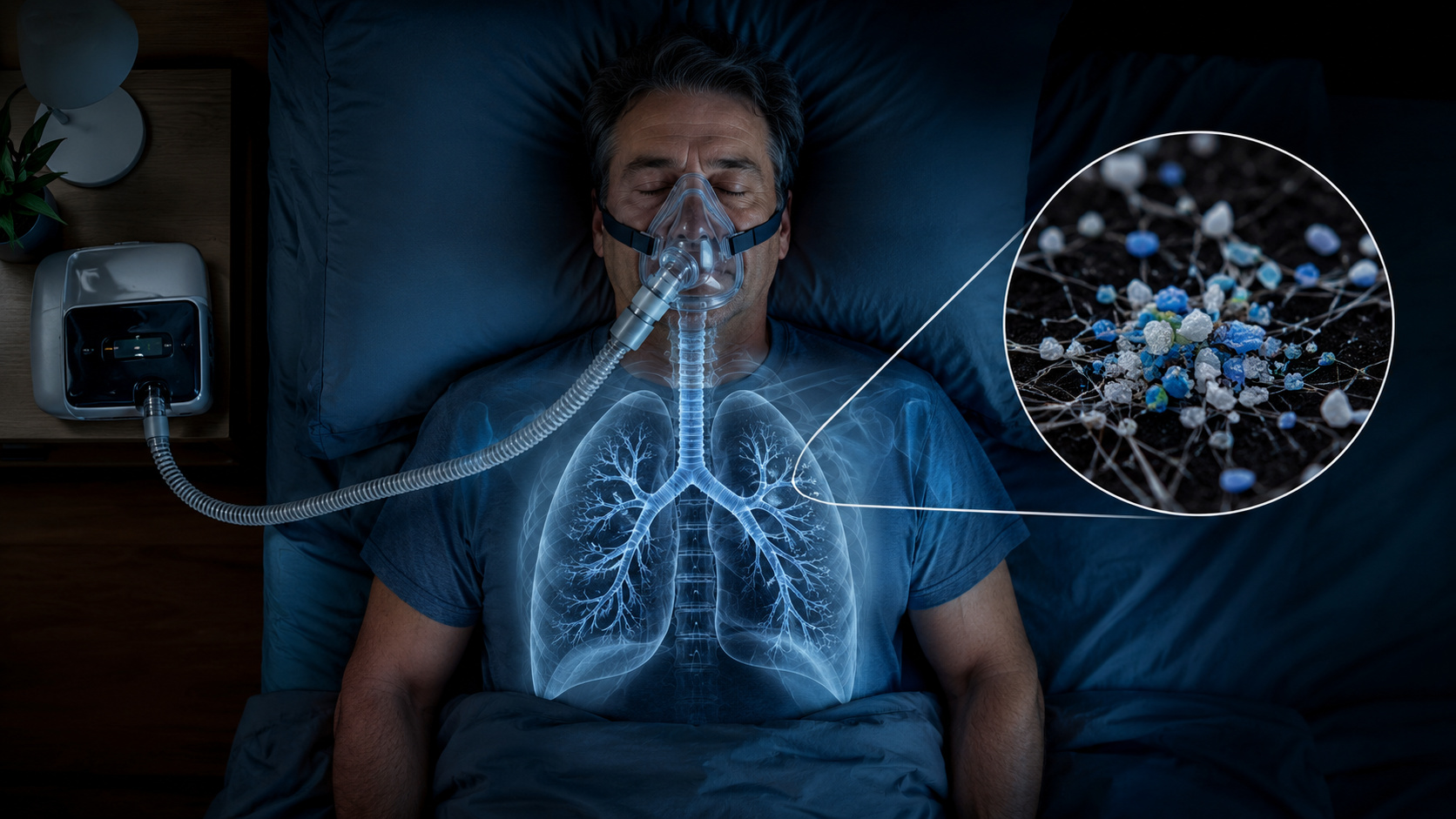
Scientists investigate microplastics in the airways of patients with sleep apnea and reveal a new focus for research on environmental pollution, human exposure, and possible impacts on breathing quality.
-
For the first time, scientists have seen the ocean floor open up in real-time—plates moving apart by two meters in a few days and 160 million cubic meters of lava emerging on the seafloor.
-
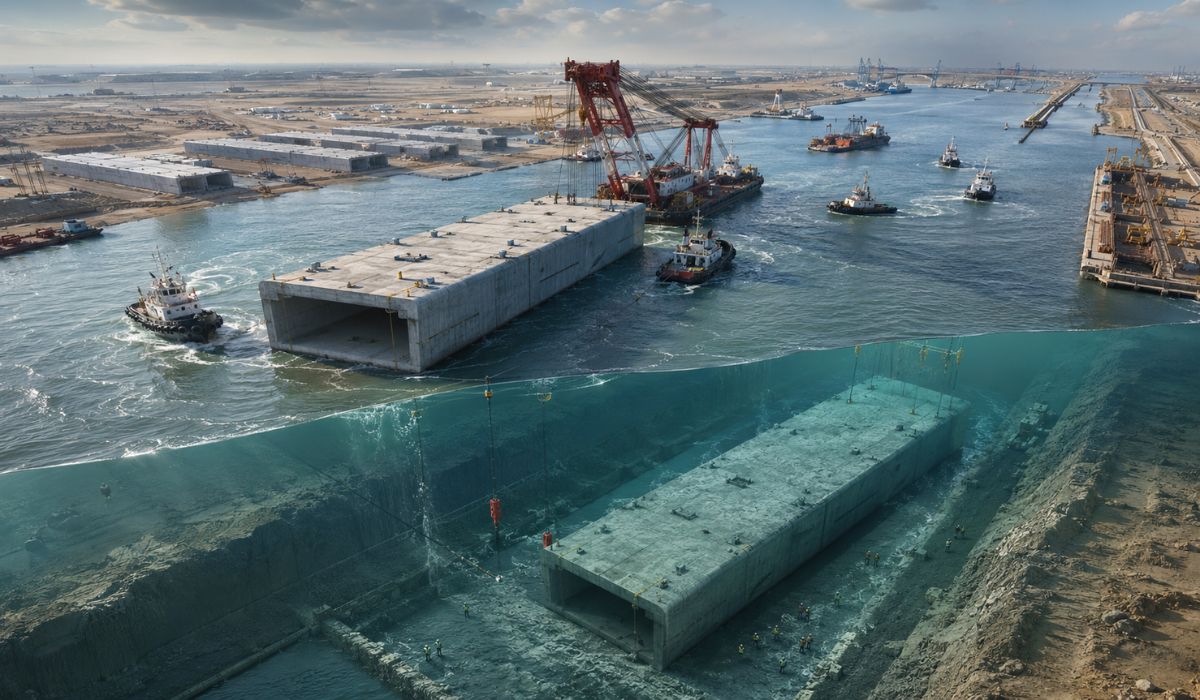
Iraq floats and sinks under an arm of the Euphrates 10 giant concrete boxes of 46,000 tons and 125 meters each to assemble a 2.4 km submerged tunnel and open a new land route between Asia and Europe.



The NKT T3600 will help meet the high demand for high-voltage power cables needed for renewable energy operations, strengthening the subsea cable ecosystem.
Investment Announced in June 2025 and Four-Year Agreement
In June 2025, NKT announced the investment in the NKT T3600 subsea excavator. A month later, it signed a four-year framework agreement with Helix Robotics Solutions Group.
According to a report from Offshore Energy, the agreement includes installation, offshore operations, maintenance, and engineering for the subsea excavator project. Helix will also deploy the machine using its own support vessel.
Osbit was responsible for the design, construction, and the launch and recovery system, known as LARS, developed at its facilities in the United Kingdom.
Power of 3,600 Horsepower and Operation in Different Soils
The NKT T3600 subsea excavator was designed to provide 3,600 horsepower, enabling the burial of cables at significant depths in the seabed.
Utilizing jetting and cutting functions, the machine will be able to operate in a variety of soil conditions, ensuring performance in challenging environments.
The subsea excavator is part of NKT’s plan to drive the transition to renewable energies, expanding the capacity for installation and protection of high-voltage cables.
Expected Commercial Operation in 2027 and Focus on Protection
NKT has reported that the T3600 subsea excavator is expected to enter commercial operation in 2027. At the same time, the company is also investing in enhanced cable protection technology.
In a LinkedIn post, NKT stated that the investment supports the local economy in the United Kingdom and improves energy supply security through the protection of critical cable infrastructure.
When announcing the initial investment, Darren Fennell, Executive Vice President and Head of High Voltage Solutions, stated that protecting power cables is more important than ever due to the increase in sabotage risk and high activity at sea.
Commenting on the NKT T3600, he said that the trenching excavator will be the best in its class, ensuring reliable protection for cables buried deep, even in the most challenging soil conditions, while involving UK companies in the design and development of the trenching excavator.