






 Portuguese
  Spanish
  3 min of reading
  0 comments


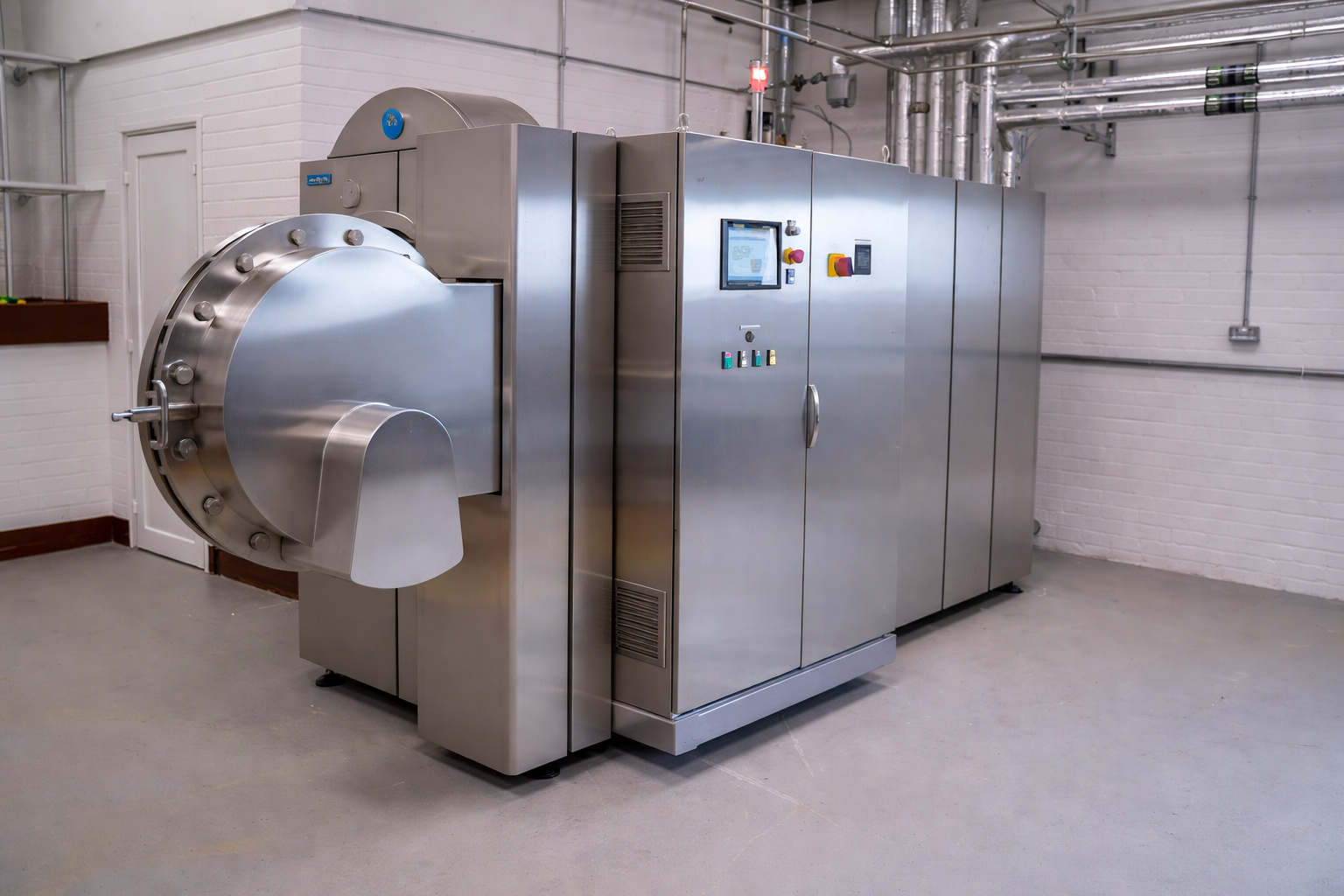
The Official Authorization Marks The First Major Update in Scottish Funeral Legislation Since 1902 and Puts Sustainability at The Center of The Farewell Debate
A historic change in the field of funeral rites has been confirmed by the Scottish government, positioning the country as the first in the UK to regulate water cremation, technically known as alkaline hydrolysis.
This update represents the most significant change in Scottish funeral legislation since 1902, the year traditional cremation was authorized.
According to the Minister of Public Health, Jenni Minto, decisions about the fate of the body are deeply personal and reflect family values, which is why the new regulation expands the range of choices available.
Unprecedented Regulation and Historic Milestone in Funeral Legislation
The new regulation officially establishes hydrolysis as a legal alternative to burial and conventional cremation.
Furthermore, the measure represents the first major structural review of Scottish funeral rules in over a century.
As highlighted by Jenni Minto, there is public support for expanding options, which is why the change was deemed necessary within a contemporary context.
Thus, Scotland initiates a phase that connects tradition, innovation, and environmental debate in an institutionalized manner.
How Alkaline Hydrolysis Works
The procedure accelerates the natural decomposition process that would occur after burial.
The body is placed in a pressurized metal cylinder and then heated to about 150 °C.
Subsequently, it is immersed in water combined with an alkaline solution, usually with a concentration of 5%.
Over the course of three to four hours, the tissues dissolve, leaving only the bones.
After that, the bones are dried and turned into powder, which can be kept in an urn or treated the same way as ashes from traditional cremation.
-
Brazilian promises his children to save a river, creates an eco-barrier in his backyard, has already removed more than 40 tons of trash from the water, and even inspires the idea in other states of the country.

-
How a Brazilian company created a system that transforms broken pallets of any brand into new assets, recycles 80 tons of plastic per month, and found a profitable solution to a problem that challenges industries across the country.

-
Invasive bullfrog capable of devouring other amphibians and laying up to 20,000 eggs is found in Florianópolis, raising an alert about the threat to native fauna.
-
It looks like a baby, but it’s an adult: meet the Bornean pygmy elephant, the smallest elephant in the world threatened by habitat loss.

Infrastructure and Start of Operations
The company Kindly Earth, responsible for the equipment in the UK, stated that the first Scottish unit may take about nine months to begin operating.
However, before this, construction permits and approvals from water regulatory bodies will be needed.
Therefore, while the regulation is already established, practical implementation still depends on administrative procedures.
Sustainability as The Central Axis of The Debate
Proponents of hydrolysis argue that the method does not generate toxic emissions into the atmosphere and can also reduce the use of disposable coffins.
At the same time, local funeral directors note an increase in interest in sustainable funerals, reflecting a growing concern about environmental impact.
Currently, about 80% of funerals in the UK involve traditional cremation, which demonstrates the potential for transformation if the new alternative gains gradual acceptance.
International Context and Precedents
Hydrolysis is already permitted in dozens of U.S. states, as well as in countries like Canada, Ireland, South Africa, Australia, and New Zealand.
In 2022, Archbishop Desmond Tutu chose the method, which helped increase the international visibility of the technique.
Experts note that innovative funeral practices often face initial resistance, just as cremation did in the early 20th century.
Nevertheless, Scottish regulation officially incorporates sustainability into the contemporary debate about farewell rites.
Hydrolysis Expands Choices and Redefines Rituals in The UK
With the formalization of the norm, Scotland consolidates a new possibility within the British funeral system.
The measure expands alternatives available to families and strengthens the discussion about environmental impact even after death.
In light of this new scenario, the incorporation of sustainable solutions in farewell rites is likely to gain progressively more space in public debate.







Be the first to react!