Portuguese
  Spanish


In The Midst Of Escalating Tensions In The Middle East, Israel Turns Its Eyes To The Fordow Nuclear Facility In Iran, Protected By A Mountain Up To 800 Meters Deep, Becoming One Of The Most Difficult Targets Ever Faced In A Potential Conflict.
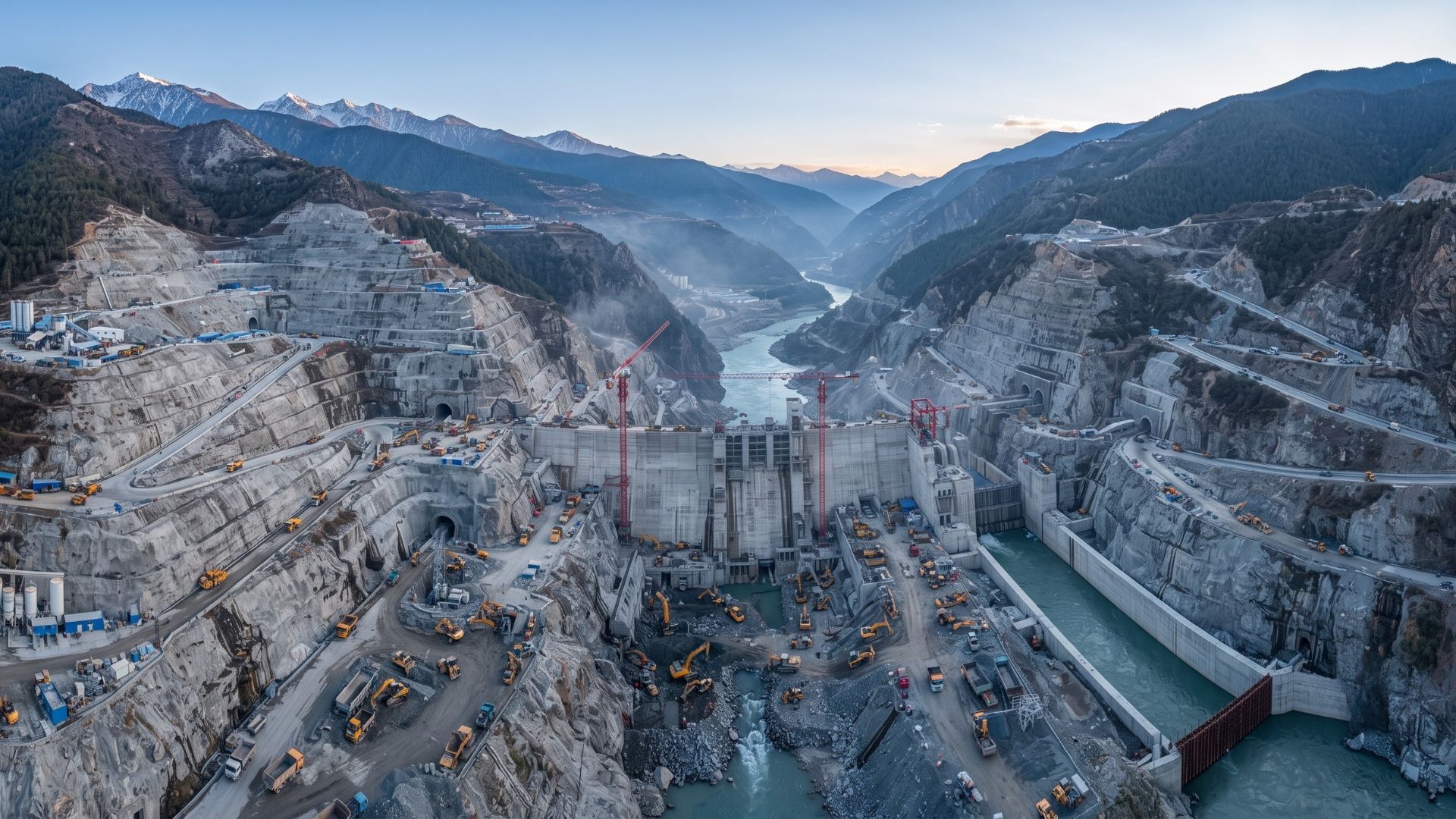
The current confrontation between Israel and Iran has reignited discussions about the Iranian Nuclear Program, particularly regarding Fordow, the most fortified underground facility in the Persian country. Located among mountains, this base represents an unprecedented logistical challenge.
Intentionally built beneath a mountain, Fordow was designed to withstand airstrikes. After past experiences, such as the Israeli bombing of the Iraqi reactor in 1981, Iran adopted a maximum protection strategy for its most sensitive nuclear structures.
The exact depth of the bunker remains uncertain, but estimates point to structures buried between 80 and 800 meters below the surface. This natural protection makes it virtually impossible to attack with conventional weapons.
-
Chinese Nuclear Submarine Launches Simulated Warhead Missile in Pacific, Heightening Regional Tensions Amid Naval Drills with Russia Near Qingdao; New Zealand and Papua New Guinea Warn of Persistent Chinese Military Presence

-
U.S. Air Force Launches Air-to-Air Missile Project with Range of Up to 1,850 km for Indo-Pacific Operations
-
Australia to Deploy Up to 8 Nuclear-Powered Submarines in Indo-Pacific, Establishes Billion-Dollar Naval Chain Through AUKUS, Joining Elite Group Capable of Extended Underwater Missions

-
Ayatollah Ali Khamenei’s Funeral Draws 15 to 20 Million in Tehran, Calls for Revenge Against Trump After Joint Israel-U.S. Attack



Israel Does Not Have Weaponry Capable Of Penetrating The Mountain That Protects The Iranian Nuclear Program
According to Western military sources, Israel has used bunker-busting weapons like the GBU-28, which has a penetration capacity of up to six meters, insufficient to reach Fordow. This type of weaponry was designed for shallow underground structures.
The only conventional bomb capable of causing significant damage to the Fordow facility would be the GBU-57, also known as MOP (Massive Ordnance Penetrator). Weighing 13.6 tons, this bomb can penetrate up to 60 meters of solid rock.
However, this weapon is only available to the United States and must be launched from B2 strategic bombers, aircraft that are also exclusive to the U.S. armed forces. Iran, therefore, is shielded from direct Israeli attacks.
The Pentagon Is Said To Have Secret Plans To Launch Multiple MOPs At The Same Point On The Mountain
According to the newspaper The New York Times, U.S. military officials have developed a strategy to destroy Fordow using multiple GBU-57s launched sequentially at the same point, expanding the hole created by the first explosion to maximize penetration.
Moreover, the newspaper reports that this plan was limited to military exercises but gained traction after recent Israeli attacks. Former President Donald Trump allegedly authorized the preparation of a possible operation in support of the Israeli ally.
Although technically possible, the destruction of Fordow with MOP bombs has never been executed in real combat. Experts warn that at least two explosions exactly at the same location, with extreme precision and coordination, would be necessary.
Diplomatic Efforts Are Giving Way To Military Threats In The Stalemate Between Israel And Iran
For decades, the U.S. has led diplomatic negotiations with Iran aimed at limiting its nuclear program. However, the deterioration of relations and recent attacks have shifted the tone of the conversation towards a possible coordinated offensive with high-destructive weaponry.
The information was published by The New York Times, BBC, and Financial Times, featuring statements from Rafael Grossi, director of the International Atomic Energy Agency, as well as analyses from military historian Robert Pape.