






 Portuguese
  Spanish


Submarine cables planned around an AUKUS base expose the convergence between connectivity, defense, and artificial intelligence in a region marked by strategic disputes in the sensitive Indo-Pacific.
The naval base HMAS Stirling, in western Australia, appears in the expansion plans of a new network of high-capacity submarine cables developed by Google and the Australian company SUBCO, according to documents analyzed by Reuters.
The facility is part of the AUKUS agreement structure, signed by Australia, the United States, and the United Kingdom, and is expected to receive, from 2027, the rotating presence of allied nuclear submarines.
The connection between digital infrastructure and defense has gained space on the agenda of Indo-Pacific governments because submarine cables concentrate most of the international data traffic.
-
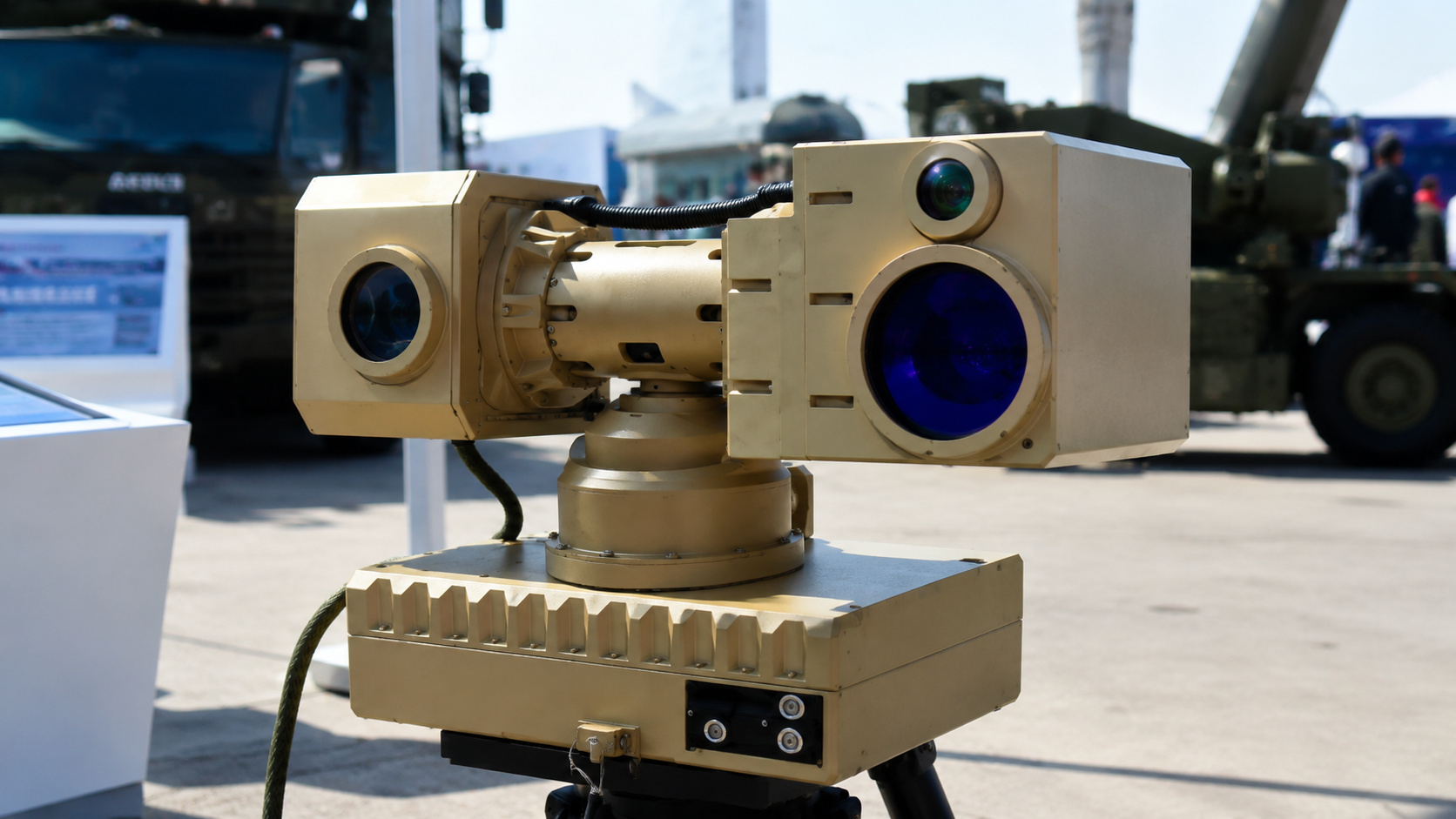
China Unveils Laser Weapon Capable of Instantly Neutralizing Military Drones, Marking a Significant Advancement in Air Defense Technology

-
U.S. Navy’s Ticonderoga-class Cruiser Becomes a 9,800-Ton Missile Fortress with Advanced Aegis System Capable of Tracking Hundreds of Targets

-
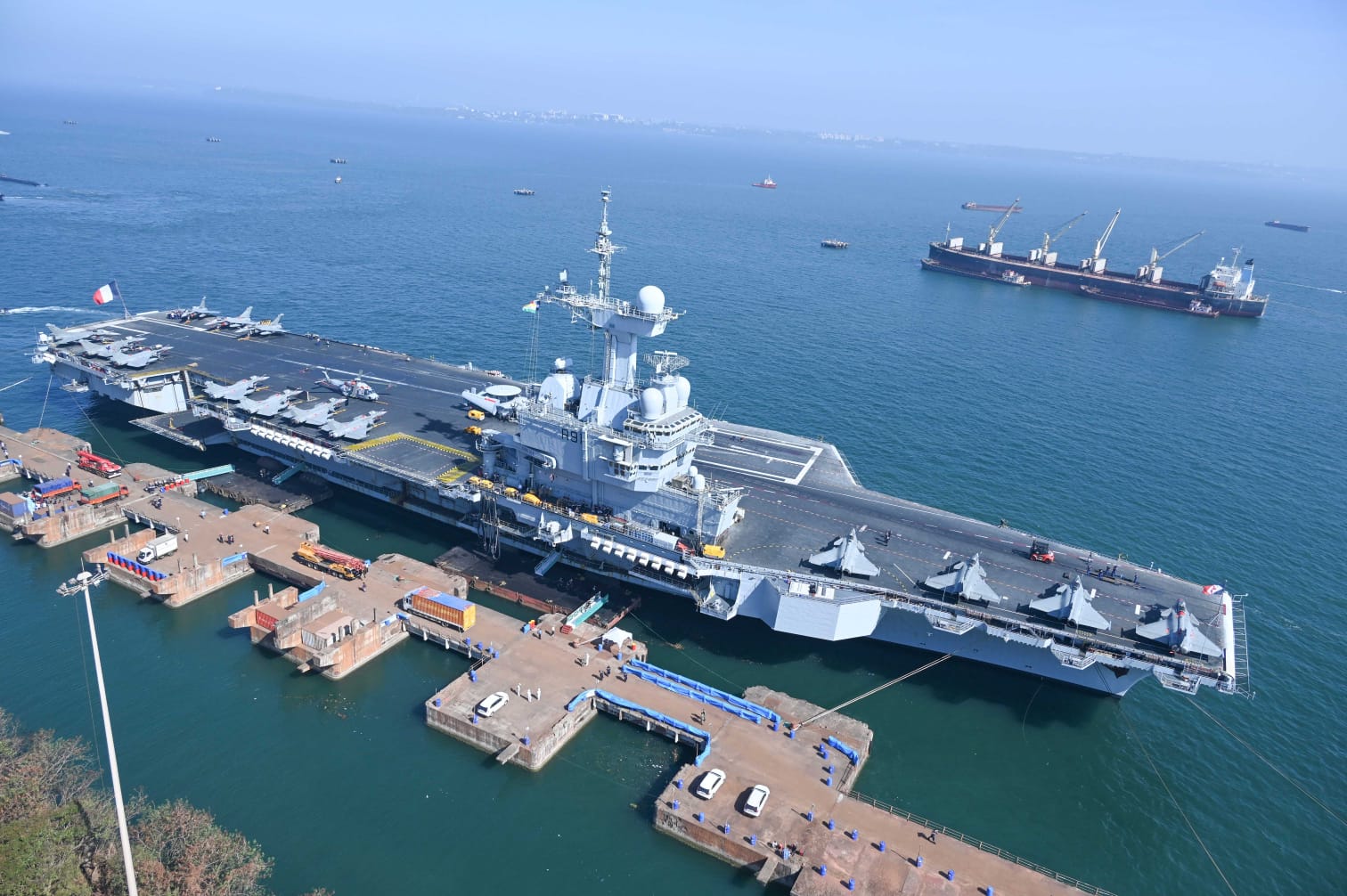
France’s Charles de Gaulle: The Sole Nuclear-Powered Aircraft Carrier Outside the US, Weighing 42,500 Tons and Equipped with Two Atomic Reactors

-
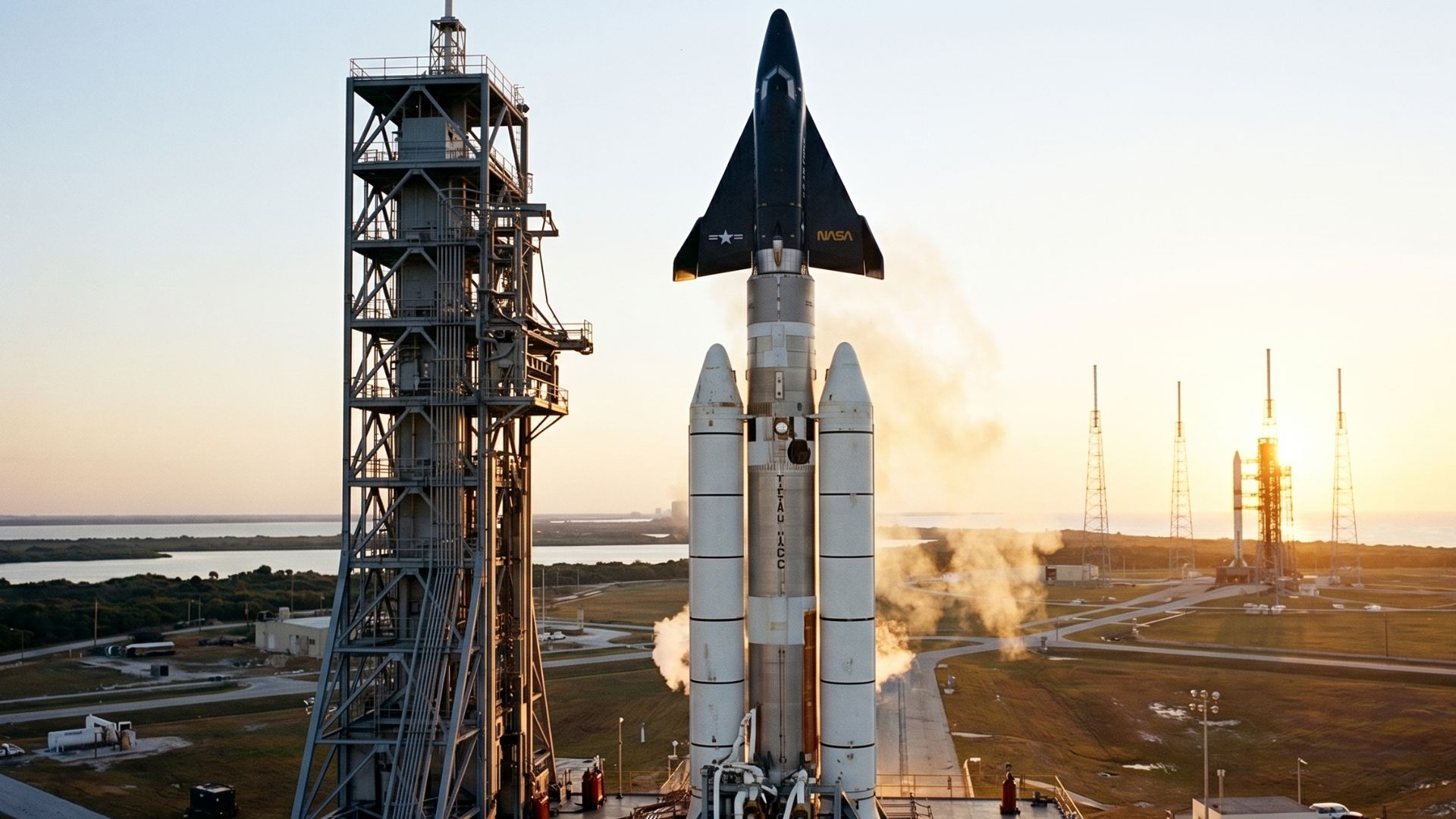
The military spaceplane that almost took the Cold War into orbit: Boeing X-20 Dyna-Soar was designed to re-enter above Mach 20, fly for up to 40 hours, land like a plane, and transform Titan rockets into a gateway to a new era of orbital warfare.

According to the Cable Connectivity and Resilience Centre, created by Australia within the Quad framework, these structures carry 99% of international data and connect people, businesses, governments, and economies.
Submarine cables advance around the AUKUS base
Reuters reported that three new submarine cables planned by Google and SUBCO are expected to reach the HMAS Stirling region or nearby areas.
The base is located in Rockingham, on the west coast of Australia, facing the Indian Ocean, a region closely monitored by defense authorities from Australia and the United States due to Chinese naval movements.
According to the agency, SUBCO stated that a high-capacity cable between the east and west coasts of Australia will have a branch to HMAS Stirling.
In the project’s public materials, however, the mentioned arrival was Perth, located about 60 kilometers north of the base.
SUBCO founder Bevan Slattery told Reuters that the new routes built by the company and Google are “critical” to deliver capacity and resilience.
In his assessment, the infrastructure also meets Australia’s intention to establish itself as a secure hub for the region and to expand projects related to artificial intelligence.
The military presence planned for HMAS Stirling is part of the Submarine Rotational Force-West.
The Australian Submarine Agency reports that, from 2027, the base may receive a rotating presence of one nuclear submarine from the United Kingdom and up to four from the United States.
The submarines are described by the Australian government as nuclear-powered and conventionally armed vessels.
Google expands digital routes between Australia, Asia, and Africa
Google’s projects include systems to connect Australia to Christmas Island, Darwin, Asia, and Africa.
The Australia Connect initiative envisions the Bosun cable, between Darwin and Christmas Island, as well as an interlink connecting Melbourne, Perth, and Christmas Island.
The company states that the initiative aims to create new digital routes and enhance the reliability of connectivity in Australia and the Indo-Pacific.
Another project, called Umoja, is expected to connect Madora Bay, in Western Australia, to South Africa.
Australian government environmental documents also mention the installation of cables in Madora Bay, in Flying Fish Cove, on Christmas Island, and in Darwin, Northern Territory.
In November 2025, Google also announced the TalayLink, a submarine cable planned to connect Australia and Thailand.
The company also announced plans for connectivity hubs in Mandurah, Western Australia, and southern Thailand, aimed at advanced digital services, content storage, colocation, and artificial intelligence applications.
Christmas Island has also become central to these connectivity projects.
Reuters reported that Google plans to build an artificial intelligence data center on the island, an Australian territory in the Indian Ocean.
Military experts consulted by the agency assessed that the location could have strategic utility for autonomous systems and drone operations, but the Chinese government told Reuters it was not aware of the matter.
Civil infrastructure enters the defense radar
The same network that supports personal communications, banking, e-commerce, cloud services, and business operations is also used by governments and armed forces.
Therefore, the connection between submarine cables and military bases has been treated by experts as part of the critical infrastructure of countries dependent on international connections.
Sam Bashfield, an Indian Ocean maritime security expert at La Trobe University, told Reuters that military forces need high-speed connectivity “like any large company.”
According to him, this demand involves communications between military facilities, allies, and diplomatic networks.
In the HMAS Stirling region, the expansion of connectivity is occurring simultaneously as Australia prepares the base to support allied nuclear submarines.
Australian officials cited by Reuters said that about a thousand United States Navy personnel are expected to move to Rockingham and Mandurah next year to support operations.
The recent history of SUBCO was also mentioned by Reuters.
In 2022, the company completed the Oman-Australia cable, which connects Australia to the Middle East.
A previous report by the agency stated that the project received partial funding from the Pentagon to include an undisclosed branch to the joint United States and United Kingdom base in Diego Garcia, in the Indian Ocean.
Security of Submarine Cables and Environmental Risk
The expansion of submarine cables is occurring amid environmental analyses and discussions about infrastructure security.
Reuters reported that the Australian environmental regulator suspended the assessment of Google’s cables in Western Australia to examine issues of national environmental relevance, including threatened and migratory marine species.
Subsequently, the Department of Climate Change, Energy, Environment and Water published, on November 20, 2025, a decision classifying the installation of the Australia West system as “not a controlled action.”
The classification indicates that, as submitted, the proposal would not require further assessment under Australian federal environmental law.
The project involves cables in the waters of Western Australia, the Northern Territory, and Christmas Island.
Google told Reuters it will comply with all applicable environmental regulations.
The company also stated that the landing installation in Madora Bay will be in an inland industrial zone, without detailing the location.
The protection of submarine cables has begun to be addressed in a coordinated manner by allied governments.
In July 2024, Australia announced the Cable Connectivity and Resilience Centre to support the resilience of submarine networks in the Indo-Pacific, as part of a Quad initiative, a group formed by Australia, the United States, Japan, and India.
In a joint statement signed in New York, in September 2024, Australia, the United States, and other partners stated that the security, integrity, and resilience of submarine cables are essential for global communications, economic growth, and development.
The text also mentions national and economic security risks linked to the dependence on this infrastructure.
Incidents involving cable damage in the Baltic Sea, the Red Sea, and other routes have increased government attention on sabotage, espionage, and accidental disruptions.
According to Reuters, the head of the Australian Navy, Vice Admiral Mark Hammond, stated that seabed cables are both Australia’s “lifeline” and one of its greatest vulnerabilities.


