Portuguese
  Spanish


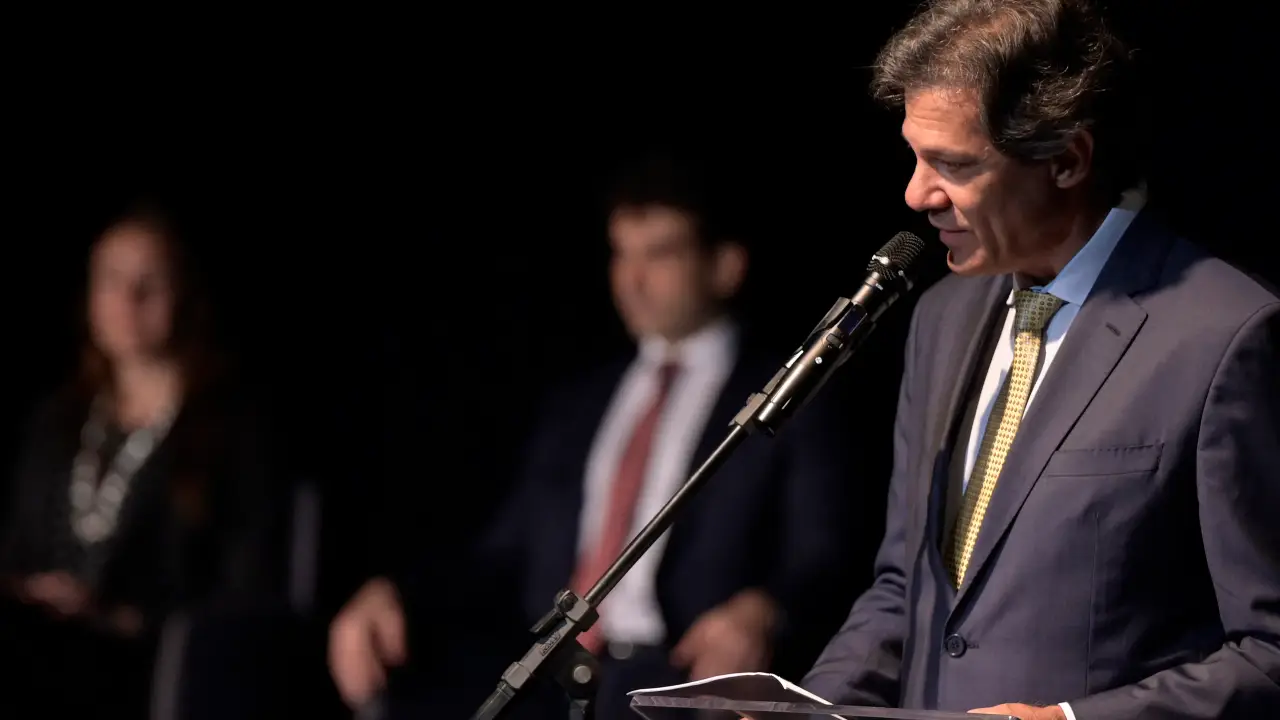

Stability, the Market Only Sees for Diesel, for Cooking Gas, for Biodiesel, and for GLP, for Which President Lula Established That Tax Collection Should Only Be Resumed After December 31 of This Year. Moreover, Haddad’s Plans for Fuels Provide for the Resumption of Taxation, with the Collection of Federal Taxes, PIS/Cofins, and Cide, Starting in March.
And with that, Haddad is expected to announce, once again, the measure that many see as unpopular. Gasoline and ethanol prices will rise. However, to try to control inflation, there seems to be no other way, even though he has been in office for less than 15 days, officially. Taxing fuel seems to be one of the paths, since, just the resumption of IPI collection and taxes on fuels is expected to yield around R$ 40 billion.
Certainly, improving the public accounts of the Lula government is also part of the plans for Haddad to remain the strongman. Lula does not want to convey the image that the antidemocratic acts of the last day 8 interfered with the work, and he determined that Haddad should stick to the plans to announce the schedule of measures accordingly.
The expectation is an impact exceeding R$ 200 billion. Thus, it is possible that the gross debt remains close to 76% of GDP until the next major election, according to sector specialists. Only after 2026 is it expected that there will be room for a decrease in prices, especially concerning ethanol and gasoline.
-
At 14 years old, she worked in a factory in Hong Kong, studied economics abroad, and then entered the Chinese real estate market, which helped change the landscape of Beijing.

-
While NATO secured more than $10 billion in missiles and space surveillance at a single forum, Brazil still spends 1.1% of its GDP on defense and is stalling its own anti-aircraft system.

-
Corn ethanol attracts R$ 23 billion in 21 new plants and prepares for a nearly 50% jump in Brazilian production by 2027, even with high interest rates.
-
A newly opened terminal in the middle of the Amazon has begun transporting soy and corn through Amapá, eyeing the queue of ships that is congesting the ports in the South.


As for the other fuels, the change is something more sensitive, as it has the potential to ignite the spark of truck drivers’ strikes, supporters of former President Jair Bolsonaro. Therefore, the decision that taxes would not be collected until the end of the year was made. Thus, it is already expected that, in Haddad’s plans, gasoline will become more expensive, while diesel will remain at the same price.
Haddad’s First Defeat
The signing of the regulatory act extending the exemption until December 31, on January 1, was considered the first cold shower received by the Finance Minister. This is because, in the last days of 2022, he had negotiated with the previous minister, Paulo Guedes, in an attempt to pacify the government transition.
But Haddad did not see it as a defeat, but rather that Lula and the economic team opted for the middle path. Guedes wanted a 90-day extension, the current minister wanted 30, and the President of the Republic chose 60 days.
The Finance Minister still has other plans; he wants to show the financial market the capacity of the Workers’ Party (PT) to follow an austere economic project, as investors do not view a spender’s reputation favorably. However, he still needs to negotiate with other players in the game, as increases in gasoline and diesel lead to higher food prices. So, how will Lula keep the promise of putting picanha on the tables of Brazilians?