Portuguese
  Spanish


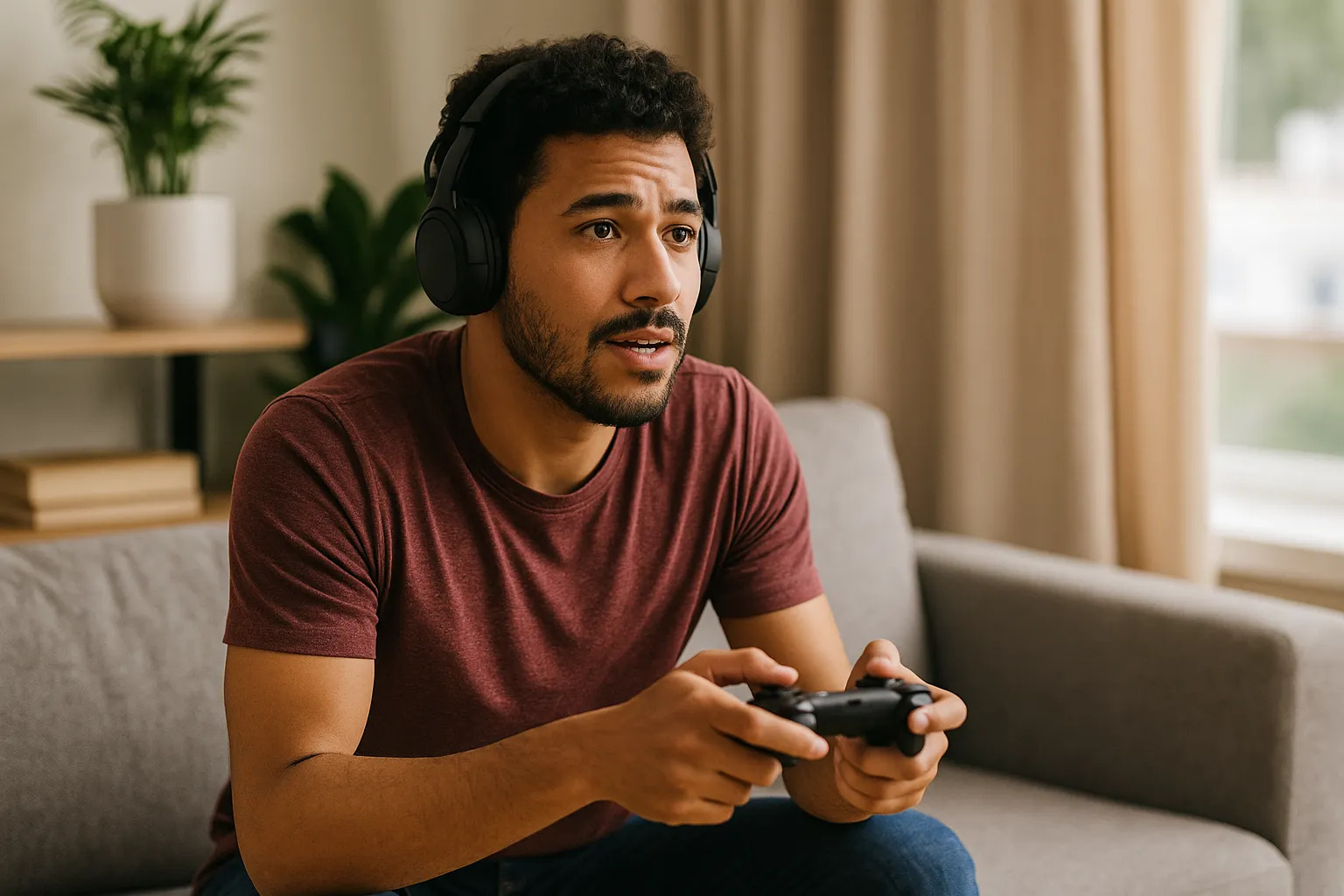

Have you ever stopped to think about how the gaming market has ceased to be seen as “a teenage thing” and has transformed into one of the largest entertainment powerhouses in Brazil? While many still associate gaming with mere pastime, the latest numbers reveal a reality that surprises even the most optimistic analysts. We are talking about billions in revenue, millions of players, and an industry that is growing faster than both film and music combined.
Gaming Market Moves Billions
The Brazilian gaming market generated around US$ 2.7 billion in 2021 and is expected to surpass US$ 2.8 billion by 2026, according to estimates from PwC. This places the country among the top 15 in the world in revenue from digital games. For those who thought gaming was just a leisure activity, these numbers reveal the strength of an industry that already surpasses film in reach and cultural relevance.
This explosion is not by chance: more and more companies are investing in local studios, digital influencers, and tournaments that attract crowds.
-
Engineers Develop Fridge-Sized Machine to Produce 95-Octane Synthetic Fuel from Air and Water, Aiming to Sustain Combustion Engines Without Oil

-
Two-Armed Robot Uses AI to Reassemble Destroyed Pompeii Frescoes, Solving an “Impossible” Puzzle
-
New Law in Brazil Requires Breaks for Type 1 Diabetes Management at Work, School, and Public Exams

-
Scientists Confirm “Greening” of Antarctica: Ice on the World’s Coldest Continent Turns Green as Mosses Multiply Over Tenfold in Four Decades


More Than 80% of Brazilians Consume Games
According to the Game Brasil Survey (PGB 2025), 82.8% of Brazilians consume digital games. This is the highest rate ever recorded in the study. Among them, 88.8% say they consider games one of the main forms of entertainment, and 80.1% view games as their primary way to have fun.
In other words, gaming is not just a pastime—it has become a mass cultural habit. It is on the cell phones of those taking the bus, on the living room console, and even during friends’ gatherings for competitive matches.
Brazil Is the 5th Largest Market in Players
When looking at the number of players, Brazil holds the 5th position in the global ranking, with around 115 million people involved in digital games. This is almost half of the population immersed in this universe.
This reach causes brands, developers, and even the education sector to look at the market with fresh eyes. Gaming has ceased to be merely entertainment and has also become a tool for connection, learning, and business.
Explosive Growth of Studios and Professionals
What sustains this market is not just consumption, but also production. The number of national studios has grown by 683% in the last ten years, jumping from 133 in 2014 to over 1,000 in 2024. Alongside this, the number of professionals in the field has increased from 1,278 to over 13,000 in less than a decade.
This shows how Brazil has transitioned from being just a consumer to becoming a producer of global content, with independent games winning international awards.
eSports Have Become Economic Power
Another impressive fact: the eSports market is expected to generate R$ 1.3 billion in Brazil by 2025. This revenue includes sponsorships, broadcasting rights, ticket sales, and licensed products.
What was once seen as a “video game championship” now fills stadiums, attracts million-dollar investments, and creates athletes who are already treated as national idols.
Projections Indicate Even Greater Growth
Experts assert that we are just at the beginning. The continuous growth of the player base, combined with the increase in national production and the strengthening of eSports, is expected to make the Brazilian gaming market double its relevance in less than a decade.
With more Brazilians adopting games as their primary form of leisure, it is clear that the industry will not slow down. On the contrary: it should occupy even more space in the economy and culture of the country.
What was once seen as a hobby today is a profession, an investment, and, above all, a reflection of how new generations connect with the world.