Portuguese
  Spanish


A New Terminal Will Be Built at Praia Mole Port in Vitória. The Structure Promises to Boost the Capixaba Economy, Transform the State into an Export Hub, and Generate Thousands of Direct and Indirect Jobs.
The state of Espírito Santo is about to take a big step towards national leadership in oil exportation. A new terminal specialized in transferring oil between ships, called the Praia Mole Liquid Bulk Terminal (TGL), will be installed in Vitória, with a projected investment of R$ 340 million.
The structure will be managed by Blue Terminals, part of the Zmax group, and was officially presented to Vice Governor Ricardo Ferraço and the Secretary of State for Development, Sérgio Vidigal. The initiative aims to meet the growing demand for oil production and exportation in Brazil, positioning Espírito Santo strategically to compete in the global market.
Operations at the New Terminal Will Focus on Ship-to-Ship Logistics with High Technology
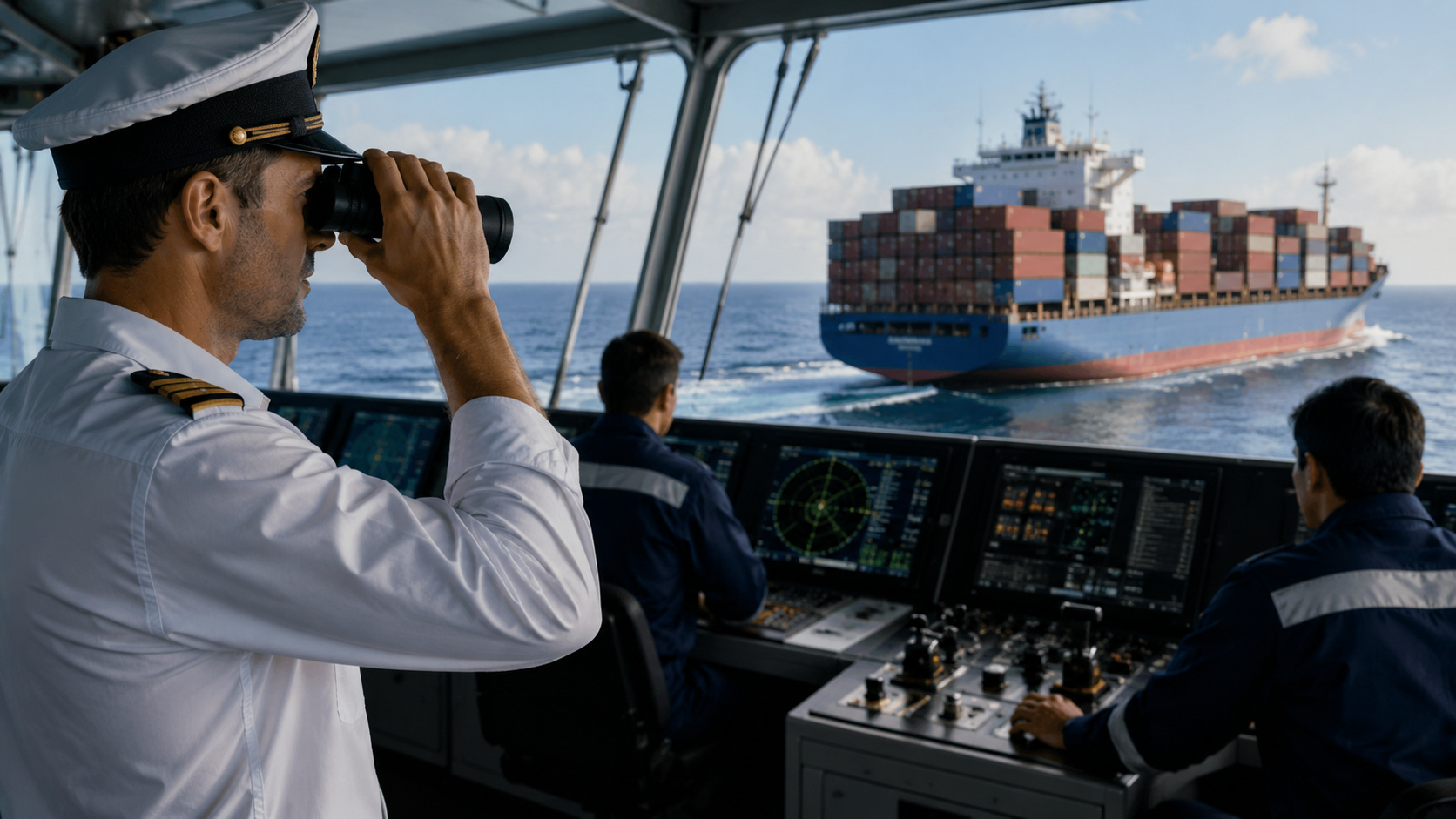
The main feature of the new terminal will be the ship-to-ship operation model, which consists of the direct transfer of oil between ships, without the need for onshore discharge.
-
The U.S. Navy Conducts Submarine Tests in Idaho Lake to Detect Underwater Noises Hidden by the Ocean

-
Nuclear Submarine USS Alexandria Retired After 35 Years, Having Completed Over 1 Million Miles in Missions

-
MODEC Introduces New Hull Design for FPSO Gato do Mato to Produce Up to 120,000 Barrels of Oil Per Day in Brazil’s Pre-Salt Region
-
This Massive 12-Meter, 21-Ton Underwater Drone Can Operate Autonomously for Up to Five Days


This technology offers greater agility and efficiency, especially in high-traffic ports. The structure will be installed in a protected area by a breakwater, reducing the impact of currents and ensuring safety during maneuvers.
The location was chosen for its privileged position, with a low wave incidence and excellent support infrastructure. The project has already undergone 44 approved maneuver simulations and is in an advanced phase of environmental licensing with the State Institute of the Environment (IEMA).
Economic Impact of the New Terminal: Job Creation and Royalties for the Region
With the operation of the new terminal, Espírito Santo is expected to benefit from a strong job creation, with a forecast of 4,000 new jobs, including direct, indirect, and induced positions.
The impact will also reflect in royalty collection, with an annual projection of R$ 80 million, to be distributed among the municipalities of Vitória (40%), Serra (30%), and Vila Velha (30%).
Furthermore, the oil movement could inject R$ 268 million per year into the state economy and generate about R$ 156 million in taxes, including PIS, COFINS, income tax, and ISS.
“We celebrate this important investment for Espírito Santo, stemming from a natural vocation we have. This initiative will enhance an idle area, generating jobs, quality work, income, and revenue for the municipalities of Vila Velha, Vitória, and Serra, as well as for the state. It is a stimulus for economic activity that generates direct impacts on social development,” highlighted Vice Governor Ricardo Ferraço.
Espírito Santo Will Be a New National Hub for Oil Exportation
Currently, Espírito Santo ranks third among oil-producing states in Brazil but exports only a small fraction of what it extracts.
The new terminal is expected to change this reality by allowing the movement of up to 14 million tons per year, equivalent to about 100 million barrels.
“We are talking about infrastructure designed to place Espírito Santo on the global oil route. The state is currently the third-largest oil producer in Brazil but exports a small portion of what it produces. With this investment, Espírito Santo solidifies its place on the oil export map,” stated Bruno Fardin, executive director of Blue Terminals.
Secretary Sérgio Vidigal also emphasized the state’s geographical advantage:
“With its strategic location, Espírito Santo is the closest point to Asia for Brazilian exports, making it highly competitive in the global scenario. The new terminal combines cutting-edge technology, operational safety, and logistical efficiency to meet the growing demand in the sector, while channeling R$ 340 million in investments, generating thousands of jobs, and increasing royalty collections,” he said.
Strategic Partnerships and Expected Operation by 2027
Blue Terminals has signed a memorandum of understanding with VPorts, the concessionaire for the ports in the region, including the Port of Vitória. VPorts has been managing the state’s main port terminals for over two years and has already signed 14 leasing contracts since the beginning of its concession.
“VPorts has a memorandum of understanding signed with Blue Terminals. This is another step forward for the company that has been managing the Ports of Vitória, Vila Velha, and Barra do Riacho for over two years. We are committed to the development of Espírito Santo and advancing partnerships with companies seeking to operate in the state,” explained Gustavo Serrão, president of VPorts.
It is expected that the new terminal will begin operations in the second half of 2027, with ongoing commercial negotiations with large companies in the sector and letters of intent already signed.
Commitment to Safety and Environmental Sustainability
The TGL Praia Mole project was designed within the highest safety standards of the International Maritime Organization (IMO) and Brazilian regulatory bodies such as the Navy and ANTAQ. Key differentiators include:
- Double-hull ships;
- Automated containment and monitoring systems;
- 24-hour operational control center;
- Strict preventive maintenance protocols.
In addition to maritime safety, the terminal will pay special attention to environmental protection. Modern resources will be used to prevent leaks and mitigate ecological impacts, in accordance with sustainable practices already consolidated in the sector.
“Our priority is to ensure a safe and sustainable operation with cutting-edge technology and complete alignment to national and international standards. This is a commitment from Blue Terminals to responsible development,” reinforced Bruno Fardin.
Source: Government of Espírito Santo