






 Portuguese
  Spanish


Discover The 6 Most Useless Megaprojects In The World! From Roads That Lead To Nowhere To Empty Stadiums, See How Billions Of Dollars Have Been Wasted On Pharaonic Works Without Any Return.
In a world where countries spend millions and even billions of dollars on construction megaprojects, some investments stand out for their lack of utility. From roads that lead to nowhere to unfinished statues, let’s explore these grand projects that, despite their astronomical budgets, failed to achieve their objectives.
Road To Nowhere
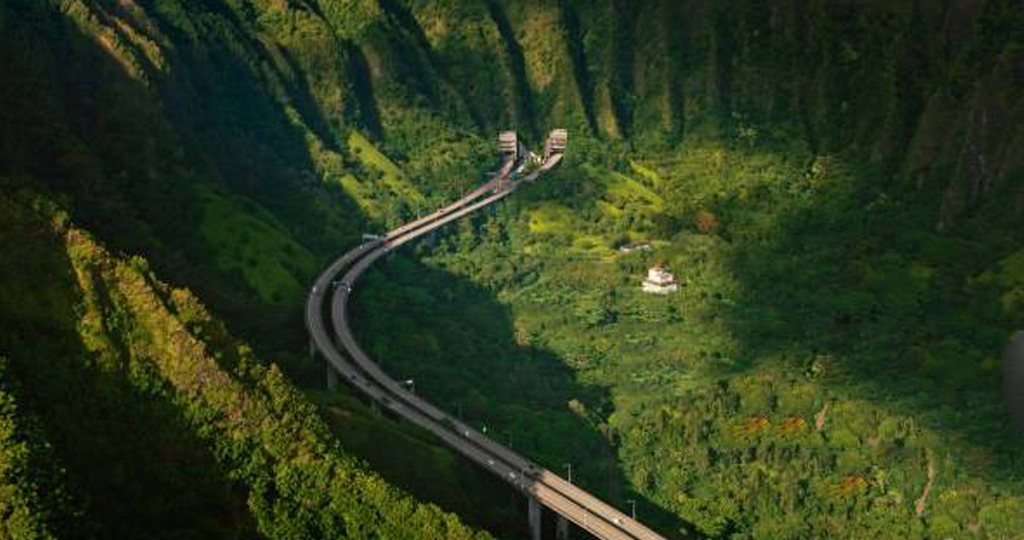
Hawaii is a beautiful place, known for its paradise beaches and stunning landscapes. However, this scenery was interrupted by the H-3 Interstate. This highway does not connect to any other state.
Instead of extending over 4,000 km to California, it stretches only 24 km, from Northwest downtown Honolulu to the base of the Marine Corps Base in Hawaii. The total construction cost was a colossal US$ 1.3 billion, or US$ 54 million per kilometer.
-
Couple Converts 1925 Detroit Bank into Home, Earns $40,000 Annually on Airbnb

-
Tired of Seeing People Sleep in the Cold, London, Canada Opens First Modular Shelter for Homeless with 60 Cabins, Heating, Meals, and Dog Area
-
Brazil’s $1.3 Billion, 870-Meter Immersed Tunnel to Be Latin America’s First of Its Kind, Featuring Special Public Facilities and Information Center
-
Brazilian Innovator Develops Concrete Blocks from Recycled Plastic, Eliminating Mortar and Reducing Construction Costs


From the beginning, the road faced intense opposition due to the destruction of sacred sites for Native Hawaiians. Despite the construction taking 37 years and going over budget, many Hawaiians avoid using the road, fearing curses from the dead.
Dam Exploders
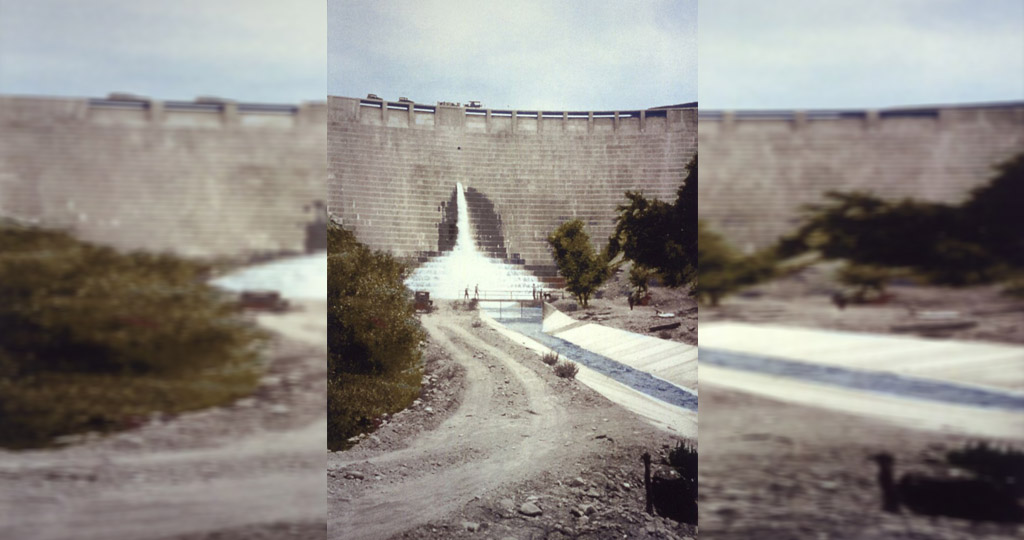
In the 1920s, Los Angeles faced a water supply problem and hired self-taught civil engineer William Mulholland to build the largest arch dam in the world, the St. Francis Dam.
Construction began in 1924 and, in 1928, just five days after reaching full capacity, the dam collapsed, releasing 45 billion liters of water. The disaster destroyed 1,000 homes and left at least 431 people dead. Mulholland was cleared of any wrongdoing but never worked again.
Silent Stadium
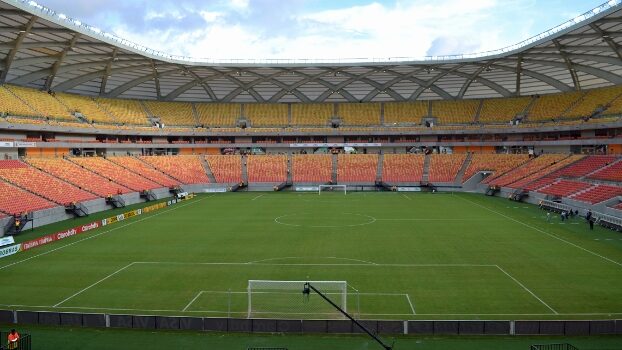
With the 2014 World Cup in Brazil, several new stadiums were built, including the Arena da Amazônia in Manaus. The stadium, which cost US$ 300 million, faces access problems due to a lack of adequate roads, and with the local team in Series D, it rarely fills its capacity of 44,300 people. Many events scheduled for the venue have been canceled or relocated, and it is now underutilized.
Trump Wall
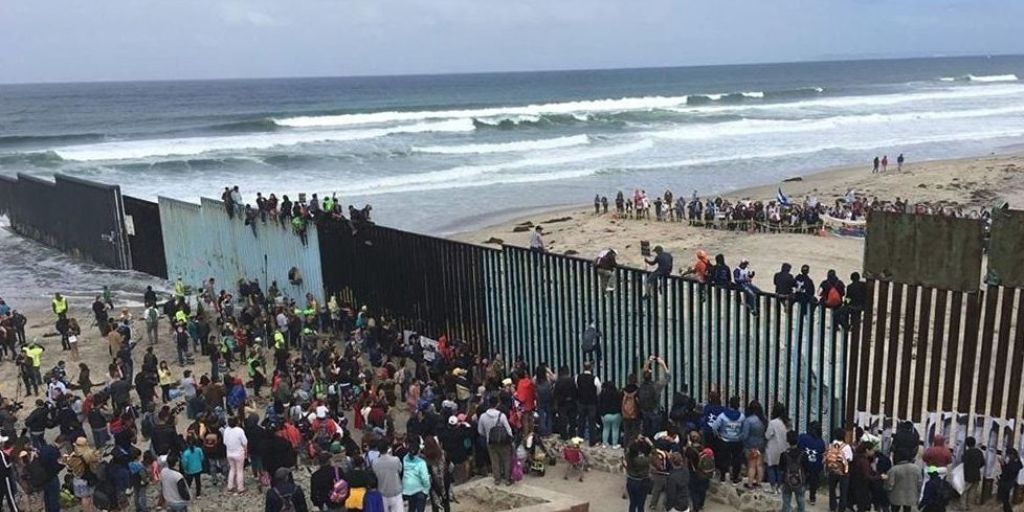
The policy of reinforcing the wall on the border between the United States and Mexico was one of the most controversial during Donald Trump’s presidency.
So far, the wall is only 724 km long, less than half of what was promised, and only 75 km is actually new. The total cost has already exceeded US$ 15 billion, and annual maintenance could reach US$ 28 billion. Furthermore, Mexico has not contributed a cent to the funding, contrary to Trump’s campaign promises.
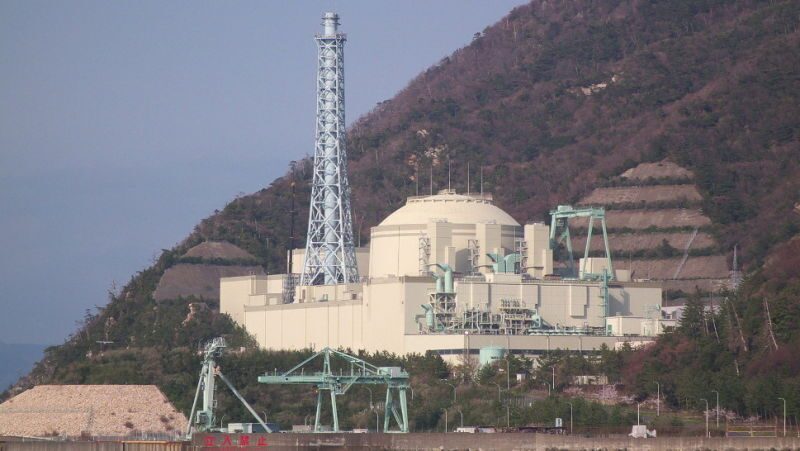
Monju Plant
The Monju Nuclear Plant in Japan has produced only one hour of energy since its approval in 1983. Serious problems were found in 14,000 plant components, and in 1995 a fire nearly caused a disaster.
In 2011, after the Fukushima disaster, public opinion turned against nuclear energy, and Monju was permanently closed in 2016, accumulating a total cost of nearly US$ 15 billion.
Seaside Ghost Town
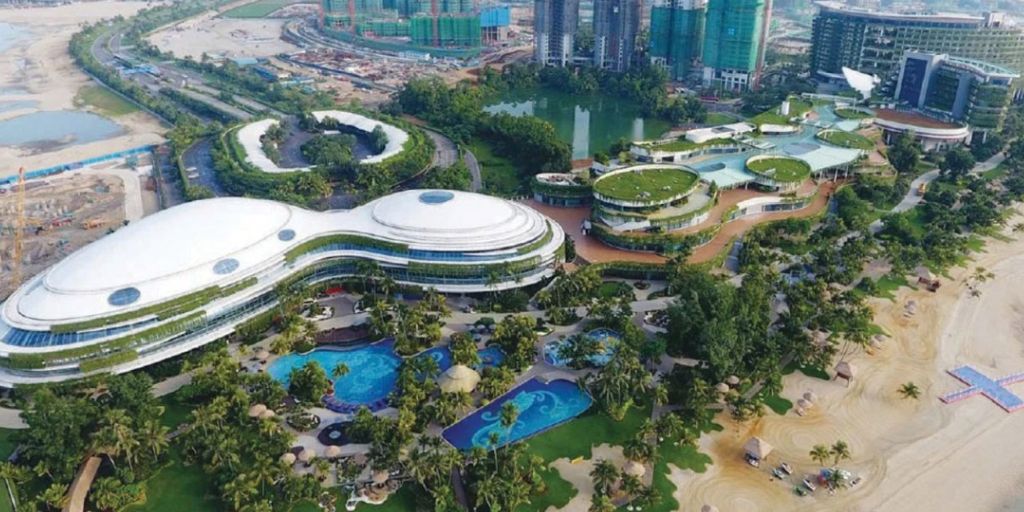
Announced in 2006, Malaysia’s Forest City was conceived as a model for future cities. The Chinese developers targeted the project almost exclusively at high-income Chinese citizens, but the Chinese government imposed a cap on annual spending abroad, and the city became empty.
The total cost of the project reached US$ 100 billion, but only 15,000 units were sold, leaving the city virtually deserted.
These projects are glaring examples of how colossal investments can turn into monumental waste. With billions of dollars thrown away, these works leave a legacy of mismanagement and lack of planning.





Este elefante branco do Lula na Amazônia daria para matar a fome de 300 milhões de crianças brasileiras… pela fórmula do próprio.
Vale lembrar que o “Presidente” Lula tem pouco estudo e suas contas matemáticas são de resultados duvidosos……mas que alguns ficaram milionários na época das construções para Copa do Mundo no Brasil, isso não tem como errar
Se essa dinheirama toda fosse empregada no combate à fome no mundo, certamente seriam salvas muitas crianças, principalmente na África…
A Arena da Amazônia ou estádio de Manaus foi construído em uma das principais avenidas de Manaus, inclusive da acesso ao Aeroporto de Manaus!