






 Portuguese
  Spanish
  4 min of reading
  0 comments


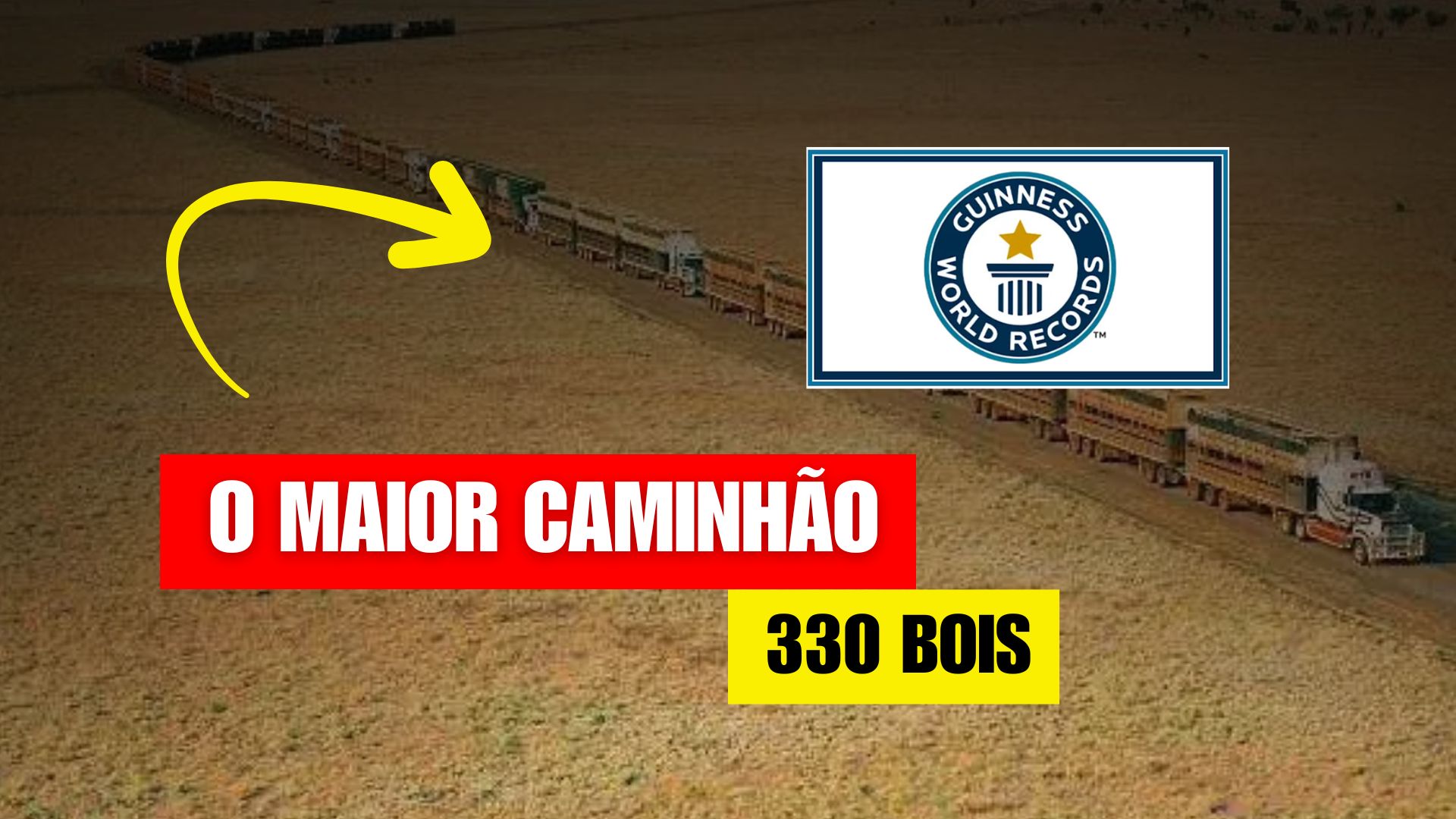
One of the Largest Symbols of Australian Road Transport Impresses with Its Size, Power, and Capacity, Becoming a Global Reference in Livestock Logistics and a Curiosity for Those Following the Strength of the Giants of the Roads.
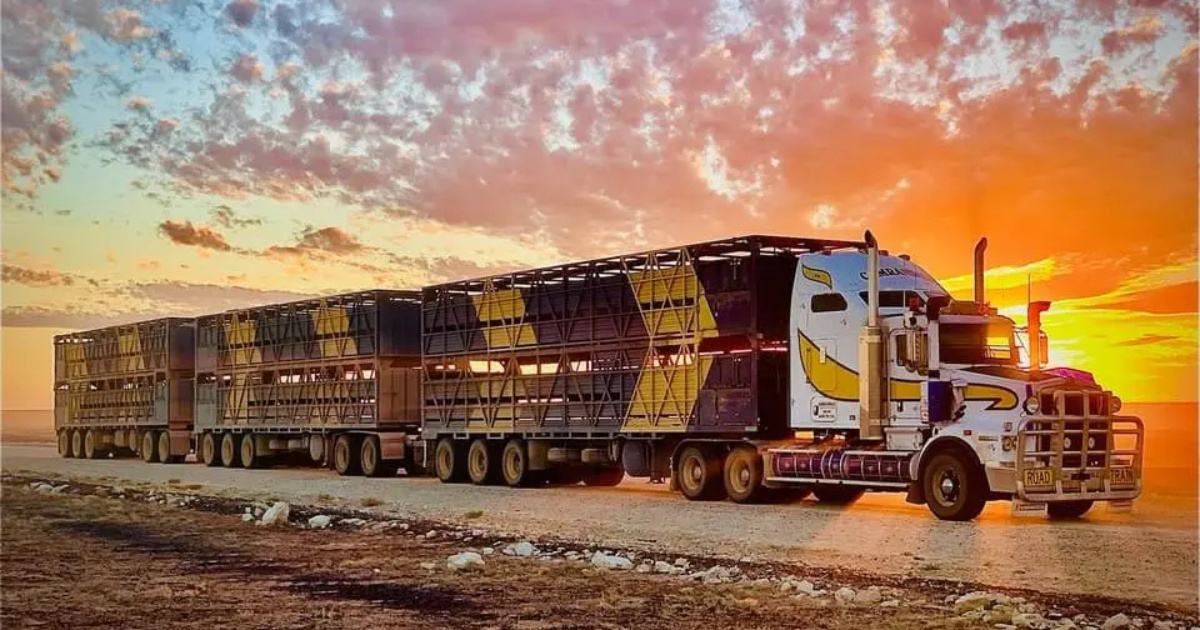
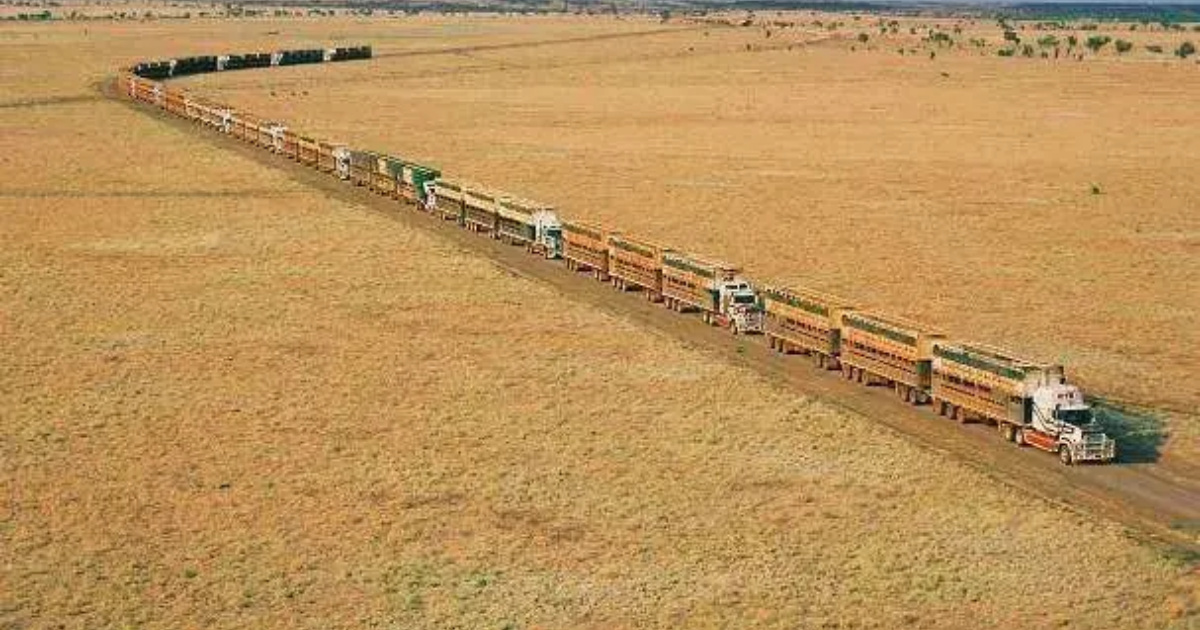
An Australian road train of up to 53.5 meters, made up of four cage-type trailers and pulled by trucks with around 600 hp, is the most impactful configuration ever applied to cattle transport on highways.
Popular in the Outback, it crosses long distances connecting remote farms to slaughterhouses and ports.
Although the actual capacity varies according to the size of the animals, the setup has become a global reference in logistical efficiency for livestock.
-
Peter Andrews was reported by his neighbors, lost the farm to the bank, and saw his marriage fall apart, but the method that the government rejected for 30 years was recognized by the UN as one of the five agricultural models.

-
Billion-dollar agricultural bill worries the Treasury: rural renegotiation could consume R$22.4 billion in 2027 and hinder the return of accounts to the black

-
Producers pierce PET bottles, bury them next to the plants, and create drip irrigation that delivers water directly to the roots and reduces waste in the garden.
-
Seven women from the same family turned a cheese factory in Minas into a tourist attraction, where visitors can watch the milking process, see the artisanal cheese being made, and even take home products made on the farm.



What Is a Cattle Road Train and How Does It Operate?
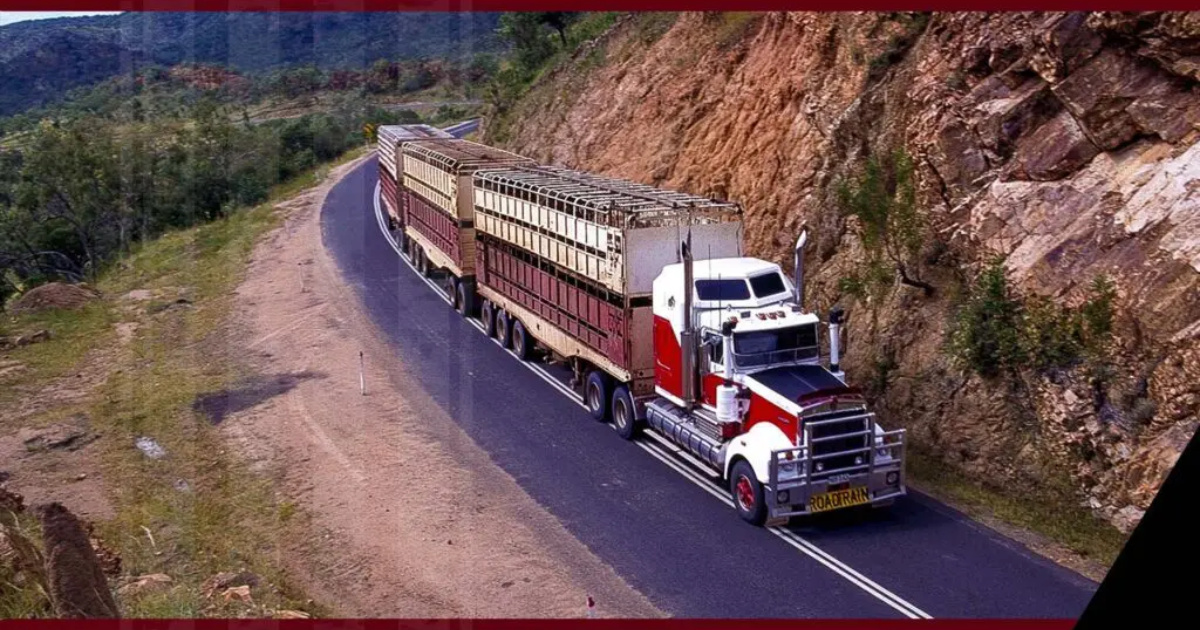
The “largest beef cattle truck in the world” is not a unique vehicle, but a combination: a mechanical horse pulls successive cattle semi-trailers connected by dollies.
This format emerged to reduce trips in sparsely populated areas with limited infrastructure.
In Australia, the authorization for extended configurations established limits on length, weight, and specific routes, ensuring operational safety on approved roads.
Dimensions, Power, and Weight of the Giants
The existing permits foresee type 2 road trains with a length of up to 53.5 m on previously defined networks by highway agencies.
Generally, the tractors use large displacement diesel engines calibrated between 600 and 620 hp, sufficient for road combinations that can weigh around 200 tons gross weight, depending on the approved configuration.
Load Capacity of Cattle and Calves
The capacity depends on the size and category of the livestock and the number of “decks” per trailer.
Industry companies report that a standard unit with six decks transports approximately 144 cows, 280 calves, or 108 bulls.
In configurations with four trailers (eight decks), capacity increases in the same logic, but for adult animals, the usual numbers are well below 330 heads.
Volumes close to 330 are associated with calf batches, which are lighter and more compact.
Tires, Brakes, and Maintenance in the Australian Desert
To support the setup and brake safely on long, undulating surfaces, the composition runs with about 80 tires in contact with the ground, in addition to spares.
The fleets that service remote areas adopt their own maintenance plans, with parts and tools on board, precisely because mechanical assistance may be hundreds of kilometers away.
Range and Fuel Consumption
The range is a critical factor in stretches without gas stations for long distances.
In cattle transport, operators report average consumption around 1 km/L and tanks that, combined, reach about 2,000 liters, varying according to the truck’s design and trip profile.
In severe application models, there are versions with even greater capacity, adjusted for the type of operation.
Records and Curiosities of Road Trains
The fascination for these vehicles goes beyond the routine of livestock farming.
On February 18, 2006, a Mack Titan towed 113 trailers and reached 1,474.3 meters in length, a mark recognized as a world record for road trains, in Clifton, Queensland.
The feat highlighted the robustness of the tractors used in these operations and consolidated Australia as a reference in large-scale configurations.
Why the Model Has Not Spread Worldwide
South American countries have already evaluated extended configurations, but the widespread adoption is limited by differences in legislation, road geometry, and pavement conditions.
Australia, with its network of long straightaways, authorized route networks, and specific enforcement, brings together a set of factors that favor the daily use of these configurations in cattle transport.
Quick Questions and Answers About the Largest Cattle Truck
- How Many Cattle Fit in a Road Train?
The answer depends on the size of the animal.
In six decks, it is estimated 144 cows, 280 calves, or 108 bulls.
With four trailers (eight decks), values increase proportionally, but for adults, it does not reach 330 heads under usual conditions.
- What Is the Typical Length?
On authorized routes, a setup of six decks measures 53.5 m.
Quad combinations maintain this length limit, distributing the decks along four trailers.
- What Is the Power of the Trucks?
The fleet that tows cattle generally operates with 600 to 620 hp, sufficient to haul heavy combinations in hot, isolated regions.
- How Many Tires Equip a Complete Set?
Operators cite about 80 tires in contact with the ground, in addition to reserves transported on the set for emergencies.
- How Much Diesel Does It Consume? And What Is the Range?
The average consumption reported is around 1 km/L.
With up to 2,000 liters in the tanks, the range covers long stretches without refueling, always conditioned to load, terrain, and wind.
- What Is the World Record Length?
The largest ever recorded is 1,474.3 m, with 113 trailers towed by a Mack Titan, in 2006, in Australia.
In a scenario where logistical efficiency weighs on the cost of livestock, how far can configurations like road trains evolve without compromising safety and animal welfare?








Be the first to react!