






 Portuguese
  Spanish


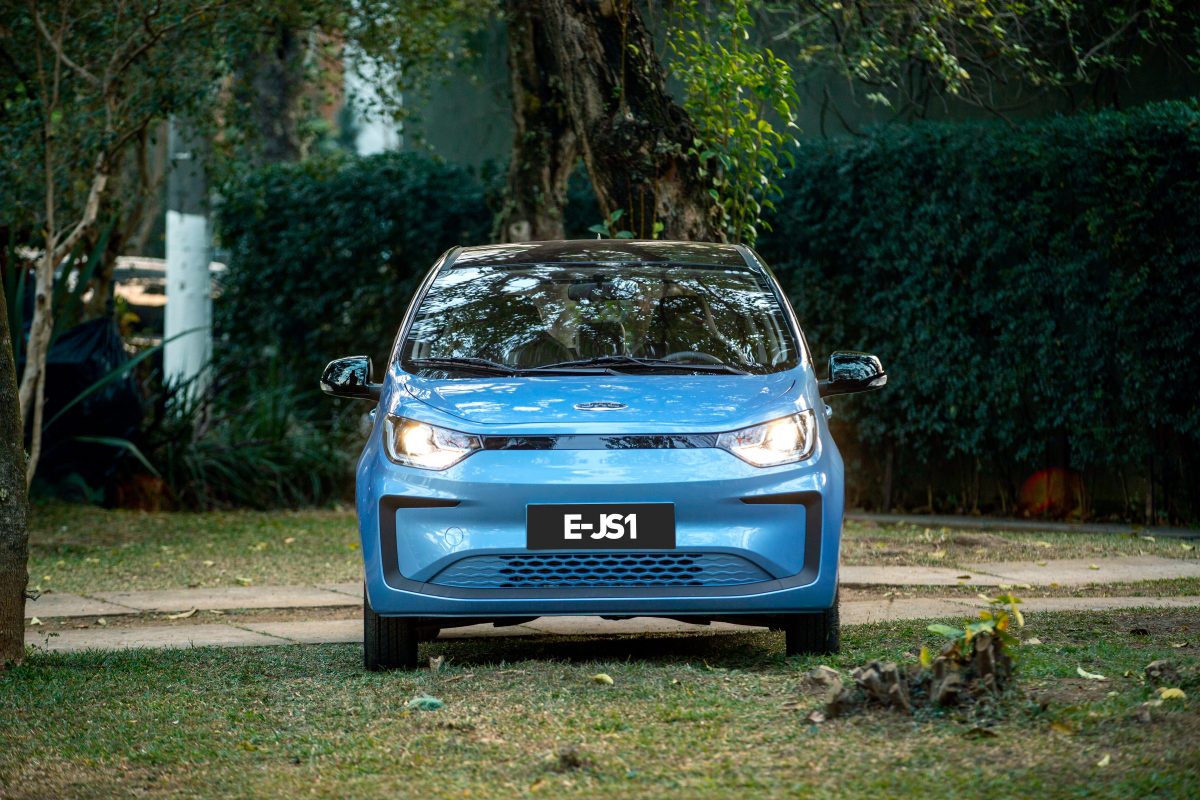


Know The 100% Electric SUV From JAC That Fell To Less Than R$ 80 Thousand. JAC Motors Offers An Urban Model With A Range Of 161 Km, Making It An Affordable Electric SUV
The JAC E-JS1 EXT, electric SUV launched in 2021, caught attention for its high price at the time: R$ 174,900. Today, the model can be found for less than R$ 80,000, representing a depreciation of nearly 60%. Despite the price drop, there is an important point to consider: the range is just 161 km, which limits its use for short trips, especially in large cities.
This article explores the context of the electric car market in Brazil, details the features of the 100% Electric SUV from JAC, analyzes its depreciation, and compares it with other models, providing the reader with relevant information for the purchasing decision.
Why The 100% Electric SUV From JAC Lost So Much Value
The significant depreciation of the JAC E-JS1 EXT is linked to several factors affecting the Brazilian electric car market.
-
2027 Toyota Corolla Cross Unveiled: New Design, Enhanced Fuel Efficiency, Reduced Maintenance Costs, Advanced Technology, Connected Services, and Up to 10-Year Warranty

-
Fiat Cronos Precision 2018: Affordable Sedan with Spacious Trunk and Reliable Maintenance
-
Volkswagen to Cut Production by 1 Million Cars by 2030, Reducing Jobs and Platforms, Focusing on More Profitable Models

-
Toyota Launches First 100% Electric Car in Brazil: bZ4X with 343 HP, All-Wheel Drive, 361 km Range, Priced at $419,990 BRL, Limited to 99 Units




Market Acceptance: Although interest in electric cars is growing, the market remains limited, especially for entry-level compact SUVs.
Limited Range: With only 161 km per charge, the model better serves short urban routes, limiting its appeal for longer trips.
Growing Competition: New electric and hybrid SUVs with greater range or more advanced technology are putting pressure on the prices of older models.


In 2024, electric vehicles accounted for approximately 2.5% of total light vehicle sales in Brazil, with 61,615 units registered, according to data from Quatro Rodas. This explains the price pressure on specific models like the 100% Electric SUV from JAC.
Main Features of The JAC E-JS1 EXT
The JAC E-JS1 EXT is a compact SUV that combines urban style with efficient electric powertrains for short distances. Highlights include:
- 62 hp electric motor, sufficient for city driving.
- 161 km range per charge, ideal for daily trips.
- Raised suspension and 14-inch wheels, providing comfort and stability on uneven roads.
- Roof bars, increasing versatility for transporting light loads.
These features make the model an option for those looking for an Affordable Electric SUV, but it is essential to consider the range limitations before purchasing.
Current Price and Used Market for The SUV Under R$ 80 Thousand
The price of the JAC E-JS1 EXT has dropped from R$ 174,900 to around R$ 79,856, making it an opportunity for those looking for an SUV Under R$ 80 Thousand. However, it is important to assess some points:
- Battery condition: the performance of the electric battery directly influences the range and the vehicle’s lifespan.
- Warranty and maintenance: electric vehicles require specific care, like checking cables, chargers, and energy recovery systems.
- Insurance and taxes: despite incentives for electric vehicles in some cities, there are still additional costs.
The depreciation of the JAC E-JS1 EXT can be seen as an opportunity to acquire an affordable electric car, as long as the buyer considers the additional costs.
Comparison With Other Electric SUVs in Brazil
Comparing the JAC E-JS1 EXT with other electric models:
| Model | Current Price | Range | Motor |
| JAC E-JS1 EXT | R$ 79,856 | 161 km | 62 hp |
| BYD Dolphin | R$ 124,990 | 405 km | 95 hp |
| Chevrolet Bolt EV | R$ 189,990 | 417 km | 200 hp |
The JAC is the most affordable, but offers less range and power, reinforcing its urban profile. For those seeking a Low-Priced 100% Electric SUV from JAC, it is an interesting option, but for long trips, models like the BYD Dolphin or Bolt EV are more advantageous.
Advantages of Investing In An Affordable Electric SUV
Even with limited range, the JAC E-JS1 EXT offers relevant benefits:
- Fuel Savings: electric cars have a lower cost per km driven.
- Lower Emissions: direct contribution to reducing urban pollution.
- Modern Style and Technology: equipped with a digital panel, entertainment system, and contemporary design.
- Future Value Appreciation: with the growth of the electric market, used vehicles may recover part of their value.
Therefore, acquiring an Affordable Electric SUV can be advantageous for those seeking savings and wishing to get ahead of the popularization of electric vehicles in the country.
Technical Specifications Of The JAC E-JS1 EXT
| Item | Specification |
| Motor | Electric, 62 hp |
| Torque | 17.3 kgfm |
| Range | 161 km per charge |
| Top Speed | 100 km/h |
| Battery | Lithium, 19.2 kWh |
| Charging Time | 6 to 8 hours (220V residential outlet) |
| Suspension | Front McPherson / Rear torsion axle |
| Wheels | 14-inch |
| Dimensions | 3.49 m (L) x 1.61 m (W) x 1.57 m (H) |
| Weight | 1,010 kg |
| Trunk Capacity | 190 liters |
| Additional Features | Roof bars, air conditioning, digital panel, multimedia system |
Essential Care When Buying A Used Electric SUV
Before acquiring an SUV Under R$ 80 Thousand, it is essential to consider some precautions to avoid future problems:
- Charging History: electric cars wear the battery less with regular and planned charges.
- Batteries and Motor Condition: tests at dealerships or by specialists ensure safety and adequate range.
- Availability of Technical Assistance: warranty of parts and technical support is essential.
- Documentation and Tax Incentives: check benefits such as IPVA exemptions and parking.
By following these recommendations, the buyer minimizes risks and guarantees better cost-benefit in acquiring the vehicle.
The Electric Vehicle Market In Brazil And The Opportunity Of JAC
The Brazilian electric vehicle market has great growth potential, driven by:
- Government incentives, such as tax reductions and subsidies in selected cities.
- Expansion of charging infrastructure, with new stations on highways and urban areas.
- Greater environmental awareness among consumers, who seek sustainable alternatives.
Even with range limitations, affordable models like the JAC E-JS1 EXT help popularize electric mobility and can serve as a gateway for those wishing to experience electric technology.
Why The 100% Electric SUV From JAC Still Makes Sense Today
The JAC E-JS1 EXT is the 100% electric SUV from JAC that has undergone significant depreciation but remains relevant for those seeking:
- Affordable Price: less than R$ 80 thousand, making it competitive in the used market.
- Economy: lower maintenance and energy costs compared to combustion vehicles.
- Style and Technology: digital panel, modern design, and urban characteristics.
The limited range of 161 km reinforces its ideal use for urban and short trips. For those intending to use it in this profile, the model presents a strategic opportunity, allowing entry into the world of electric vehicles without a high investment.
Additionally, the growth of the electric charging network and tax incentives can make daily use more convenient, increasing the perceived value of the Affordable Electric SUV.
The historic depreciation can be seen as a positive aspect for those seeking cost-benefit, especially compared to newer and more expensive models.
Investing in the JAC E-JS1 EXT requires attention to maintenance, battery, and vehicle history, but offers a sustainable, economical, and modern alternative in the Brazilian electric car market.








Tenho um JAC Jes1, e não concordo com a maioria do que foi “mal” informado na matéria, primeiro é quanto o preço de compra, foi informado que era 170k, mas eu o comprei por 115k no início de 2024, a autonomia informada que seria de em torno 180 km por carga, masrodo durante 3 dias com uma carga, cerca de 260 km, mas nunca deixei terminar toda carga então não sei se é muito superior a esses 280 km; evidentemente quando se viaja com ele a autonomia é menor, devido a velocidade contínua que faz a autonomia cair p cerca de 220 km. Gosto muito do carro, me atende plenamente para uso dentro das cidades, para viagem de distância superior a 220 km é interessante ir com um carro a combustão. A velocidade máxima dele é 110 km/h, mas em contra partida tem um torque excelente, partidas instantâneas fazendo aparentar a carros esportivos.
Quer jogar seu rico dinheirinho fora? Tá aí uma boa oportunidade. Esse carro “mofa” para achar comprador, ele é na verdade um J4 de quando a JAC chegou no Brasil, só que eletrificado, tem kotaa ZERO no **** NCAP (ele literalmente desmonta quando bate), sua bateria usa uma tecnologia antiga que faz com que sua vida útil seja bem menor que a da concorrência, o desempenho é pífio e até seu carregamento usa um padrão de tomada obsoleto e diferente do que se usa no Brasil.
Tai, a JAC conseguiu fazer algo pior que o Kwid elétrico…
Sem falar que chamar ele de SUV é a maior ofensa que já li… mal é maior que um Mobi e querem dizer que é um SUV? Por 80k eu compro um Peugeot 2008 automático, câmbio CVT, econômico e bonito… coisa que o JS1 não é nem de longe…