Portuguese
  Spanish


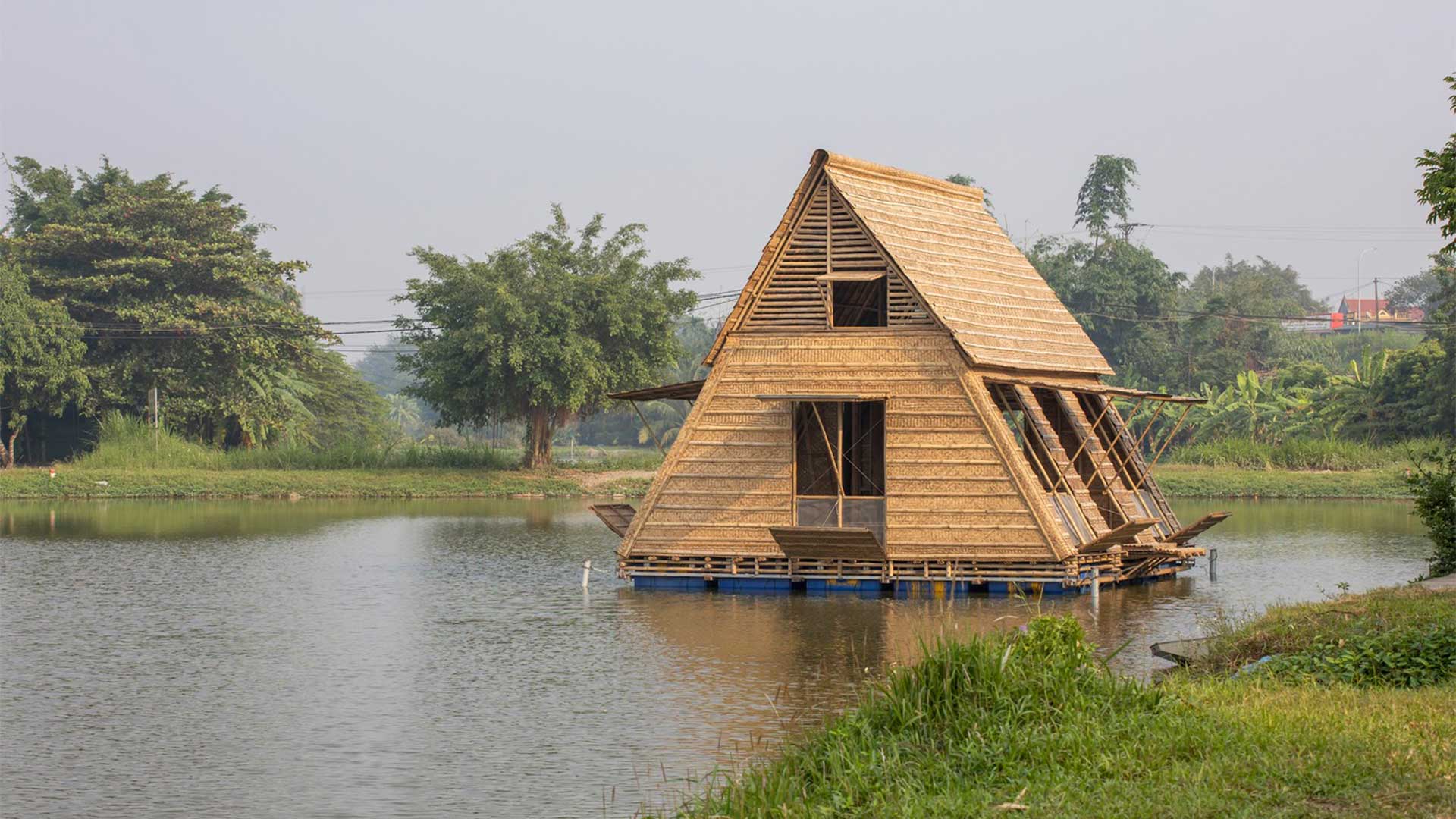


Vietnamese Prototype Uses Bamboo And Plastic Drums To Float, Catch Rainwater And Open Community Space, While The Delta Sinks And Faces Sea Encroachment
The rise in sea levels and more severe floods are no longer a distant warning for those living in the Mekong Delta in Vietnam. In the heart of this riverside region, a prototype of resilient housing has been garnering attention for promising something simple and straightforward, a floating bamboo house capable of rising when the water levels rise.
The proposal took shape in a project known as the Bamboo Floating House, or FB House, developed by a Vietnamese studio and showcased in architectural publications. The central idea is to offer a housing model that can be assembled with local materials and that responds quickly to extreme scenarios.
The concept is supported by three fronts that weigh on the budget and daily routines of delta families: housing, water, and sanitation. According to the project technical description, the house incorporates rainwater harvesting, potential for solar energy, and internal systems for storing water and waste.
-
City Hall spends almost R$ 2 million on a wooden bridge only 2.5 meters wide to prevent the isolation of 5,000 people, but information about lifespan, load, and maintenance does not appear in public disclosures.

-
More than 2,100 trucks transported 16,200 cubic meters of concrete without interruption to create the foundation of the tallest skyscraper in the western United States and break a world record.

-
The man who started in construction with his own house founded a company in 1957, went through a banking crisis in 1987, and ended up connected to 16,500 houses in Houston.

-
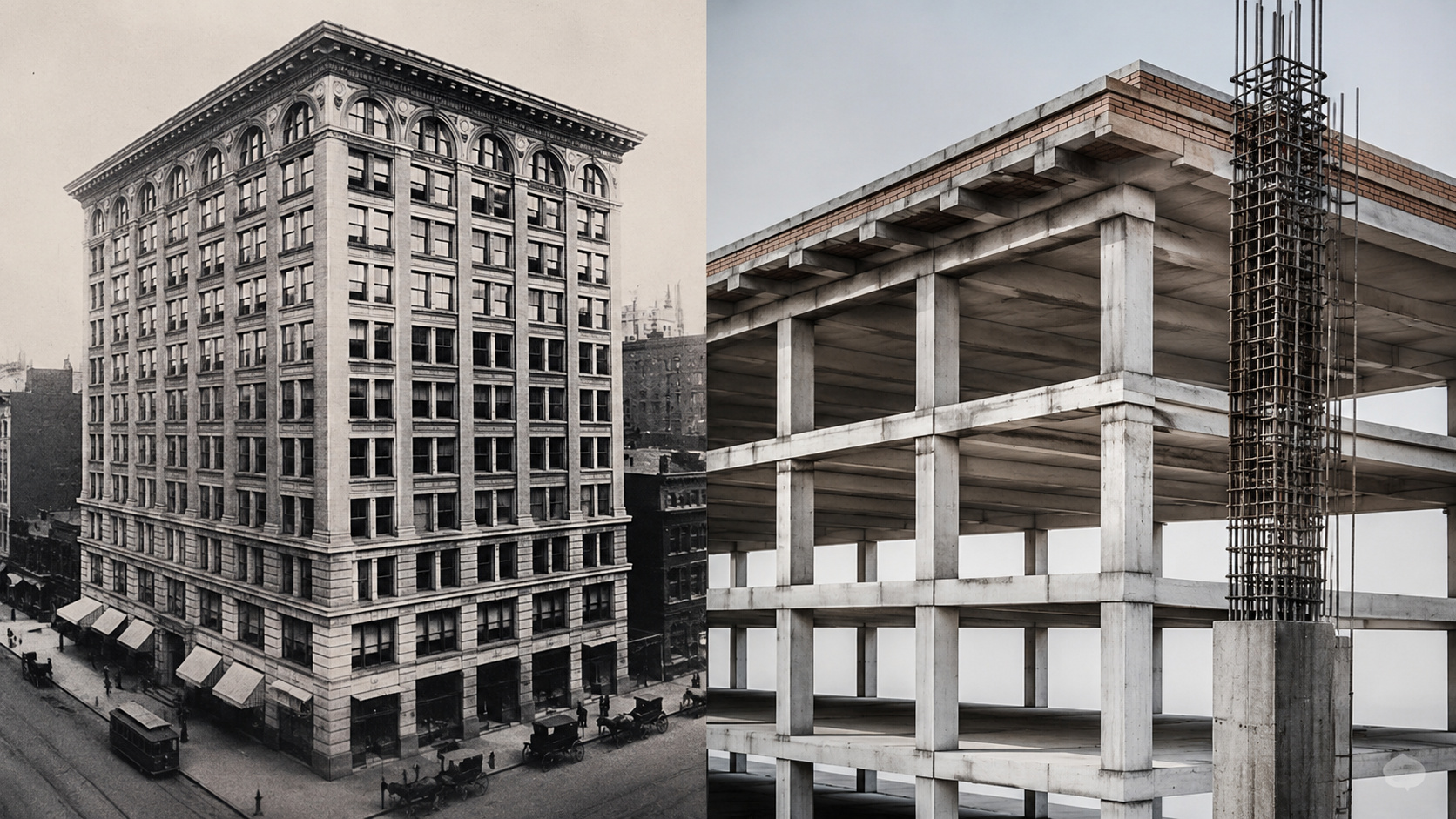
Builders challenged experts, erected a 16-story building using only reinforced concrete when the known limit was six floors, and proved that skyscrapers would never be the same again.


In a country with a long coastline and low-lying areas exposed to flooding, the topic has become an economic and social priority. According to the World Bank, Vietnam is among the most vulnerable to climate impacts, with significant losses already recorded in the economy.
How The Bamboo Floating House Works In Daily Life
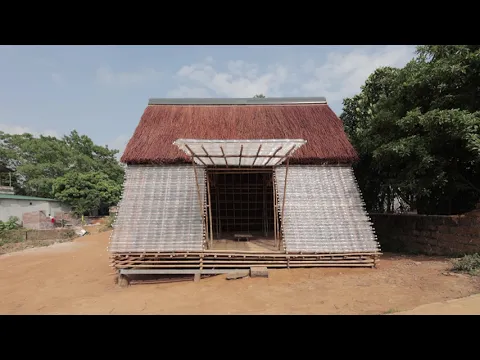

The FB House is designed as a compact, square-shaped dwelling that can gain a second level and adapt to different uses. According to the project sheet, the base measures 6 m by 6 m and the structure can be expanded according to the family’s needs.
The main skeleton uses solid bamboo, with long pieces joined by fasteners and ties, reducing the dependence on complex tools. The roof and dividers use lightweight materials, which helps reduce weight and facilitate assembly in hard-to-reach areas.
The secret of floating lies in the lower floor, where a set of plastic drums attached to the structure keeps the house on the surface when the water levels rise. In the center, freshwater reservoirs and septic tanks are located, an attempt to keep the basics functioning even during floods.
Why The Mekong Delta Became The Frontline Of Climate Change
The Mekong Delta is low and extensive, with much of its area situated just a few meters above sea level. According to IHE Delft, most of the delta lies below 2 meters in altitude, increasing the risk of permanent flooding as the sea advances.
In addition to the rising sea, the land is also sinking, which accelerates the problem. Scientific studies indicate that groundwater extraction is one of the main drivers of subsidence in the delta, with annual rates reaching several centimeters in some areas.
There are also human factors which exacerbate the river’s balance, such as sediment loss, sand mining, and changes in flood dynamics. Recent reports highlight that parts of the delta are sinking faster than the average rate of sea level rise, creating a combined effect that “shortens the timeline” for adaptation.
The impact is huge because the delta is a food and income engine. According to a World Bank document, the region accounts for about half of Vietnam’s rice production and approximately 90 percent of the country’s rice exports.
In this context, the project’s authors themselves cite an alarming projection in their public presentation, stating that a 1-meter rise in sea level could submerge a large portion of the delta and affect tens of millions of people. This is an estimate mentioned in the project’s description, which reinforces the sense of urgency used to justify the proposal.
A Climate Adaptation That Also Focuses On Community Life On The River
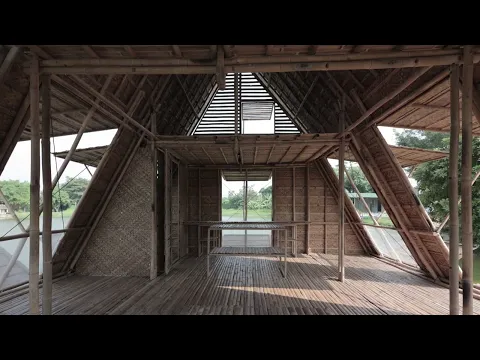
The FB House was designed not only to “withstand water” but to keep the community functioning when the routine breaks. The project envisions that by removing panels from the second level, the interior opens up and becomes a larger space, potentially used as a classroom, library, or community area.
The future plan described by the authors also includes connecting several units into a floating neighborhood, with areas for recreation, cultivation, and fish farming. The logic aligns with the reality of the Mekong, where housing and subsistence are often tied to the river and seasonal flooding.
What Is Needed For A Floating House To Become A Scalable Solution
Transforming a prototype into public policy requires more than just a good design; it involves cost, logistics, and safety regulations. In extreme events, the stability of anchoring, the durability of materials, and sanitation management become critical, especially when several houses start to cluster together.
Another point is financing and maintenance over time, as climate adaptation needs to be continuous. The World Bank estimates that climate impacts have already caused billion-dollar losses to Vietnam in a single year, increasing the pressure for solutions that are cheap, quick, and replicable.
In practice, governments and international organizations have focused on resilience infrastructure, such as drainage and urban protection, to reduce recurring losses. In Can Tho, one of the main cities in the delta, the World Bank itself described works aimed at tackling chronic flooding that incurred high costs year after year.
This is where projects like the Bamboo Floating House enter the priority dispute because they include housing as part of the “adaptation package.” The controversy is clear: is it worth investing more in large structures and dikes, or in distributed solutions that follow people where the water first arrives?
Do you think floating houses like the FB House are a realistic solution or just a pretty symbol in the face of a larger problem? If this model would work in Vietnam, could it also make sense in Brazilian areas that suffer from recurring floods? Leave a comment with your opinion and share which side you are on in this discussion.