






 Portuguese
  Spanish
 4 min of reading
  0 comments


The State Government Looks to Recover Neglected Railway Segments, Attract Investments, and Facilitate Concessions to Improve Transportation!
The state government announced plans to take over the management of federal railway segments that are currently unattended by the concessionaire Rumo Logística, according to the website radioclubedecanoinhas.
Among these segments is the line that passes through Canoinhas, connecting Mafra to Porto União.
This proposal is part of a bill that will be submitted to the Legislative Assembly (Alesc) still in May, with the intention of creating the first state legislation specifically for the railway sector.
-
Railway returns to prominence in Brazil after STF approval: a R$ 25.2 billion project promises to save R$ 9 billion in freight, transport 50 million tons per year, and transform Sinop into a logistics powerhouse for agribusiness.

-
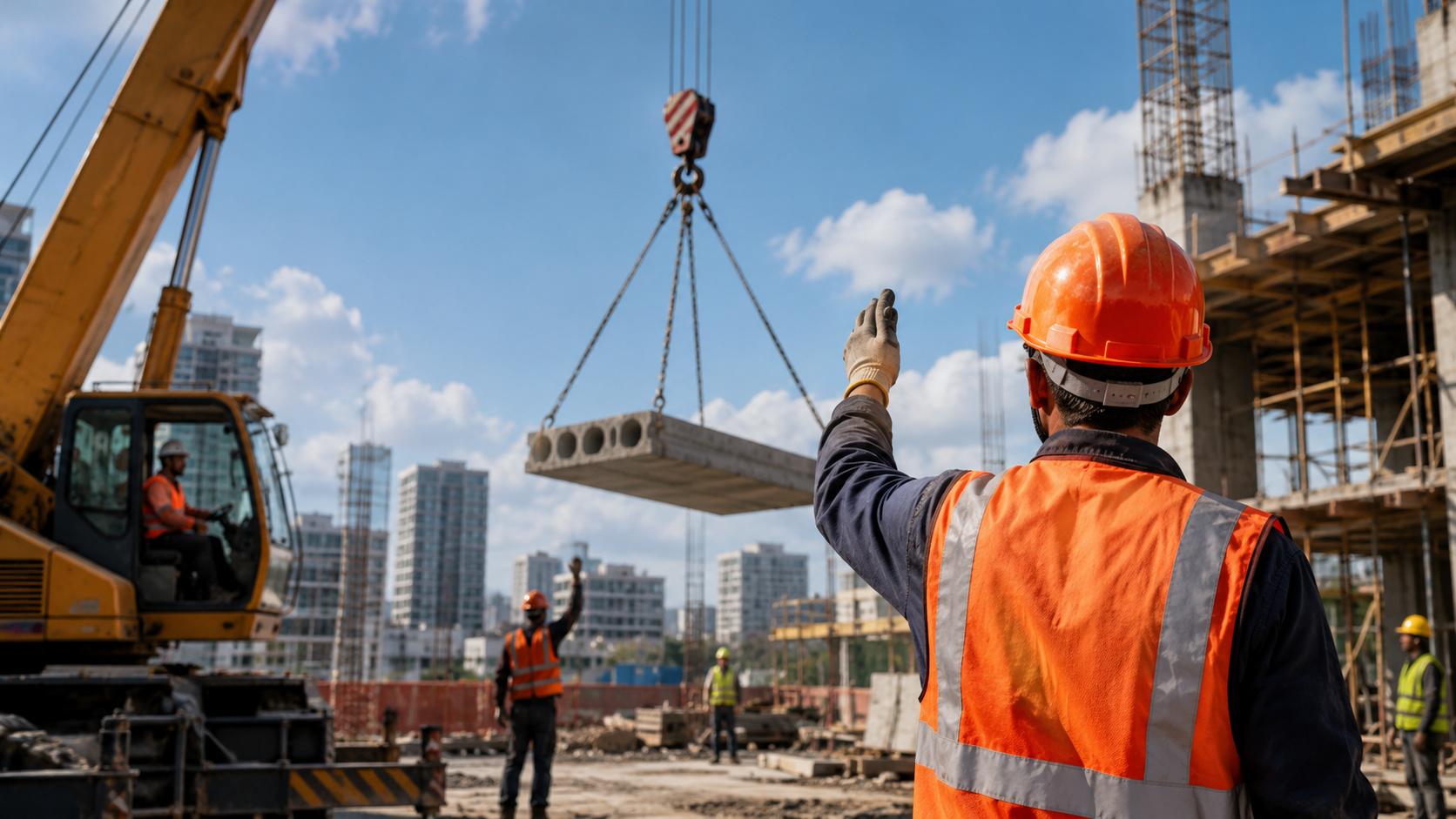
Why can the crane operator only obey the correct signalman on the construction site: among dozens of workers, a hand raised by the wrong person can confuse the maneuver and turn a load of tons into an immediate risk.

-
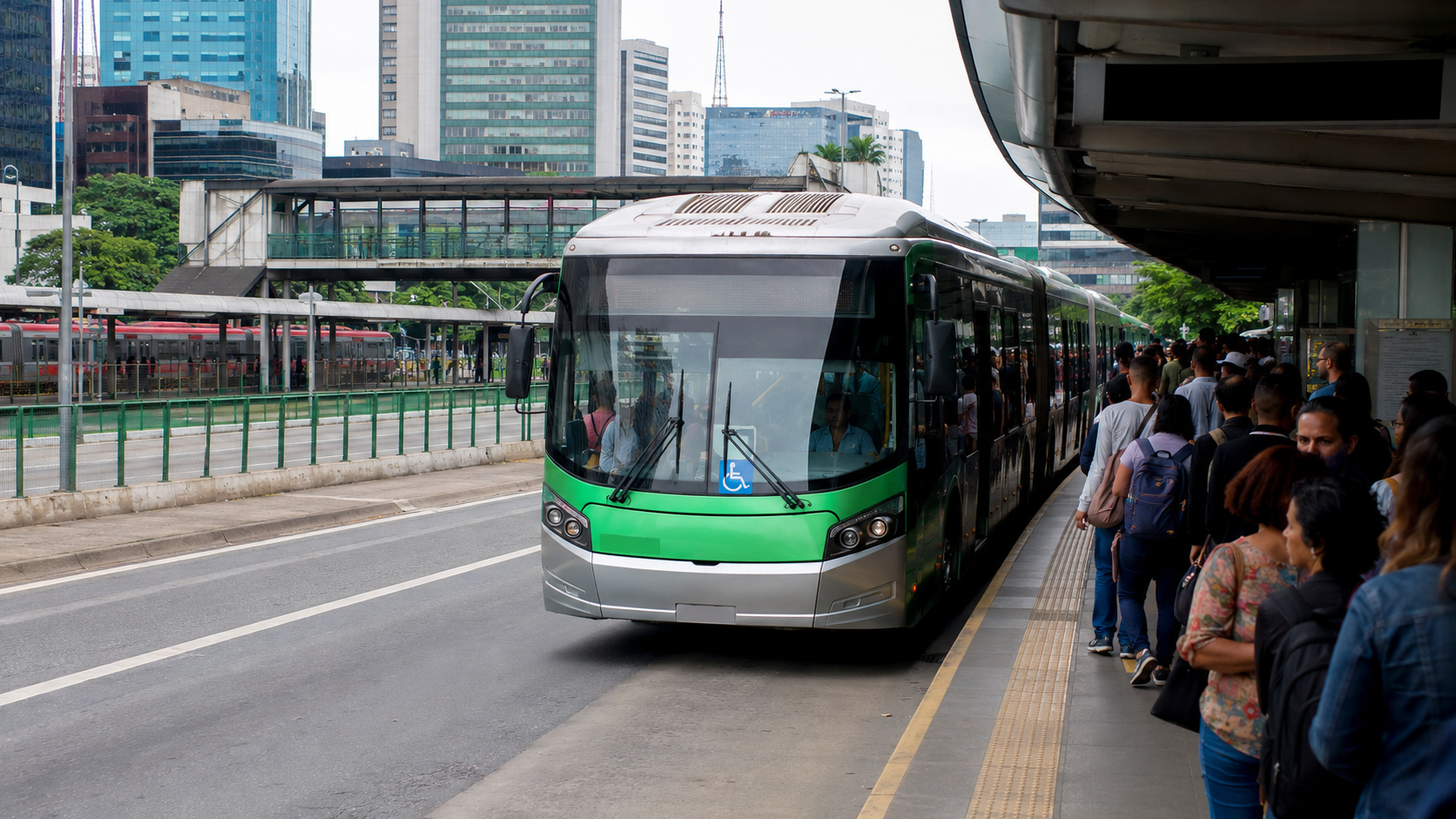
What changes with the new public transportation rules that can reduce pressure on fares and pave the way for zero fare in Brazil?
-
Retired trains leave European tracks and become tons of steel, aluminum, and copper in dismantling yards where recycling exceeds 90%, but batteries, composites, and electronics create a new frontier of railway waste.


During an event in Florianópolis, the secretary of Ports, Airports, and Railways, Beto Martins, and Governor Jorginho Mello detailed the government’s intentions.
According to Martins, Rumo will continue to be responsible for only about 300 kilometers of the railway network, which extends between São Francisco do Sul and Mafra.
The rest of the network, totaling about 1,400 kilometers, has been neglected, directly affecting regions like Planalto Norte.
Resumption of Abandoned Railway Segments
With the aim of recovering these strategic segments, the new legislation not only proposes state management but also seeks to facilitate concessions for the private sector.
The goal is to attract international investors who can modernize rail transport in the state.
“With an expanding economy, Santa Catarina needs an efficient railway network“, said Martins.
Governor Jorginho Mello reinforced the state’s commitment to investing in infrastructure: “What they do not want to do, we will do. We have even proposed the state ownership of BR-282“.
A new meeting with the federal government’s Railway Working Group is scheduled for May 7 and 8, where the request for the transfer of the railway network to the state will be formalized.
This initiative represents a significant step in the recovery and modernization of the railway infrastructure in Santa Catarina, which is crucial for the flow of production and regional economic growth.
The Impact of the Railway on the Local Economy
The revitalization of the railway not only promises to improve transport logistics but also has the potential to transform the local economy.
Rail transport is a more efficient and economical alternative compared to road transport, especially for heavy and bulky cargo.
Have you ever stopped to think about how the modernization of transport can benefit your daily life?
With the recovery of the abandoned segments, the expectation is that agricultural products, such as soybeans and corn, as well as industrial products, can be moved more quickly and efficiently.
This will not only help local producers, but it could also result in more competitive prices for consumers.
The railway thus becomes a key piece in the production chain, facilitating the movement of goods between production centers and consumer markets.
Sustainability and Innovation in Rail Transport
The modernization of the railway sector in Santa Catarina is also aligned with sustainability practices.
The use of trains for cargo transport is a more ecological alternative compared to road transport, contributing to the reduction of carbon emissions and easing traffic on roads.
What do you think about the importance of adopting practices that favor the environment while promoting economic growth?
Additionally, the state government plans to implement innovative technologies in railway operations, such as real-time monitoring systems and predictive maintenance, which can enhance safety and operational efficiency.
These innovations can transform the railway into a means of transport that is not only more efficient but also safer and more reliable.
The Role of the Private Sector in Railway Modernization
The government’s proposal to facilitate concessions for the private sector is a strategic step to ensure that the modernization of the railway infrastructure is financially viable.
With private sector involvement, there is an expectation that significant investments can be directed toward the recovery and modernization of railway segments.
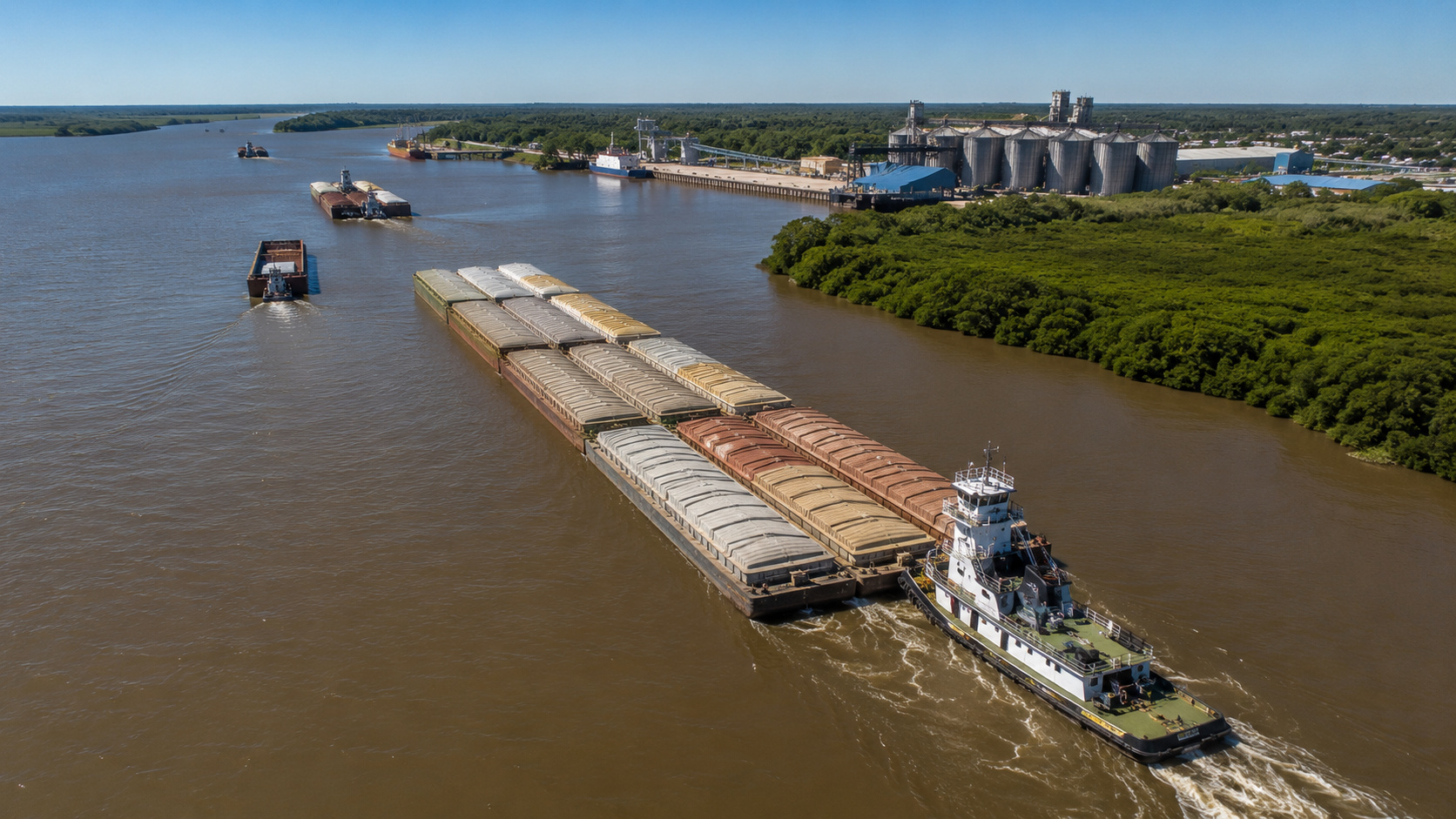
This includes not only the maintenance of the lines but also the construction of intermodal terminals that integrate rail transport with roads and waterways.
The partnership between the government and the private sector can bring mutual benefits.
While the state government benefits from investments and expertise from the private sector, companies have the opportunity to expand their operations in a growing market.
Are you excited about the opportunities that this collaboration can bring to your region?
The Importance of Community Participation
The revitalization of the railway in Santa Catarina represents an opportunity not only for the government and businesses but also for the local community.
Community participation is essential to ensure that initiatives meet the needs and expectations of citizens.
What would you like to see implemented in the railway modernization project? Leave your opinion in the comments!
With the government’s proposal, the expectation is that the railway can not only improve transport logistics but also contribute to the economic development of the impacted regions.
More efficient cargo movement can generate jobs and stimulate commerce in surrounding areas, creating a positive cycle of economic growth.
The implementation of the new legislation and the transfer of railway management are important steps toward building a more connected and efficient future for Santa Catarina.
This initiative aims not only to recover what has been lost over the years but also to create a favorable environment for sustainable economic growth.
Therefore, stay tuned for updates and participate in this important debate about the future of railway transport in our state!






Be the first to react!