Portuguese
  Spanish


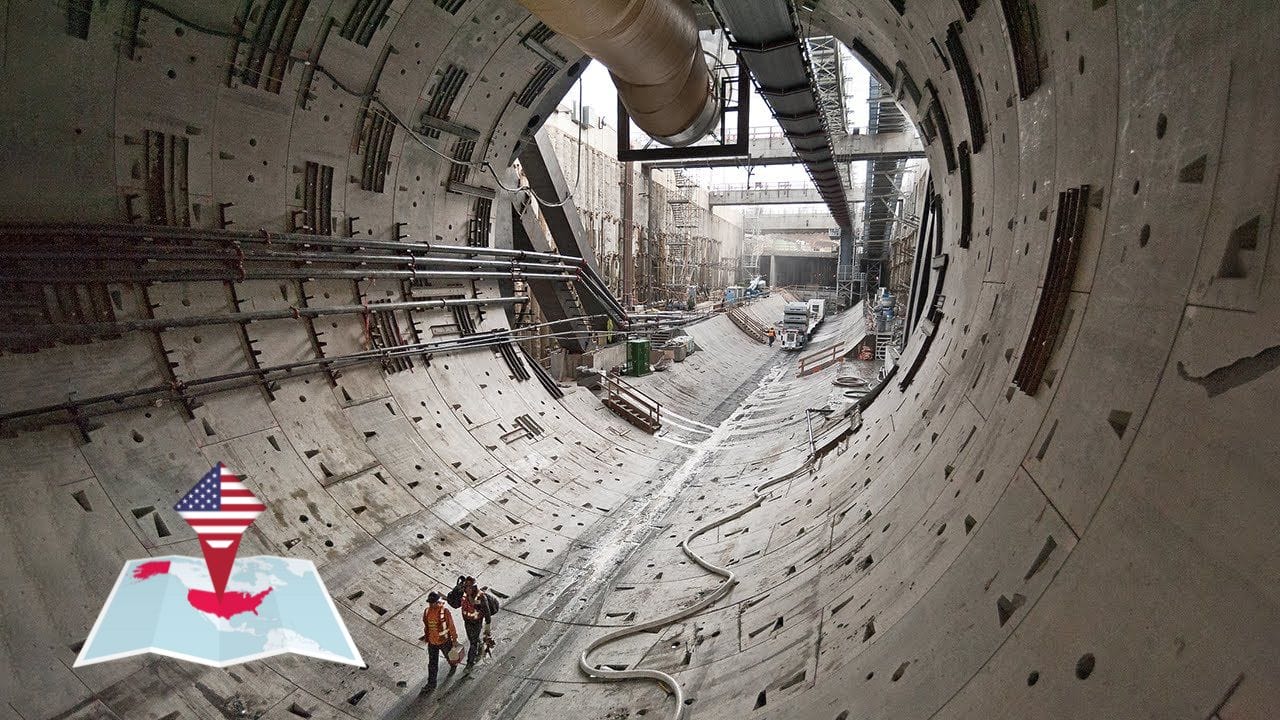

In A Radical Infrastructure Change, The United States Replaces An Old Overpass With A Modern Tunnel, Highlighting Efficiency And Urban Aesthetics In Seattle.
In the United States, a country of vast expanse and geographic diversity covering more than 9.8 million square kilometers, innovation in civil construction is a constant. One such innovation is the replacement of an old overpass with a two-level tunnel in the city of Seattle. This project, part of the American Dream of modernity and efficiency, reflects the country’s successful economy and its intensive use of advanced technologies.
The SR 99 Tunnel, with its 3.2 km length, crosses a crucial section of the SR 99 over downtown Seattle. This two-level tunnel, measuring 2,830 m long and 16 m wide, offers four traffic lanes and shoulders, designed to accommodate speeds of up to 80 km/h. The structure replaces the Alaskan Way Viaduct, a two-level elevated highway that served as the main north-south route in downtown Seattle until the construction of Interstate 5.
Construction Of The Tunnel
The Alaskan Way Viaduct, opened to divert traffic from the city center, began to raise concerns in the 1970s due to structural damage. With an average traffic of 110,000 vehicles per day, the need for a safer and more efficient solution became evident. After various proposals and debates over costs, a referendum in 2011 approved the construction of the tunnel, marking the beginning of a challenging and innovative project.
-
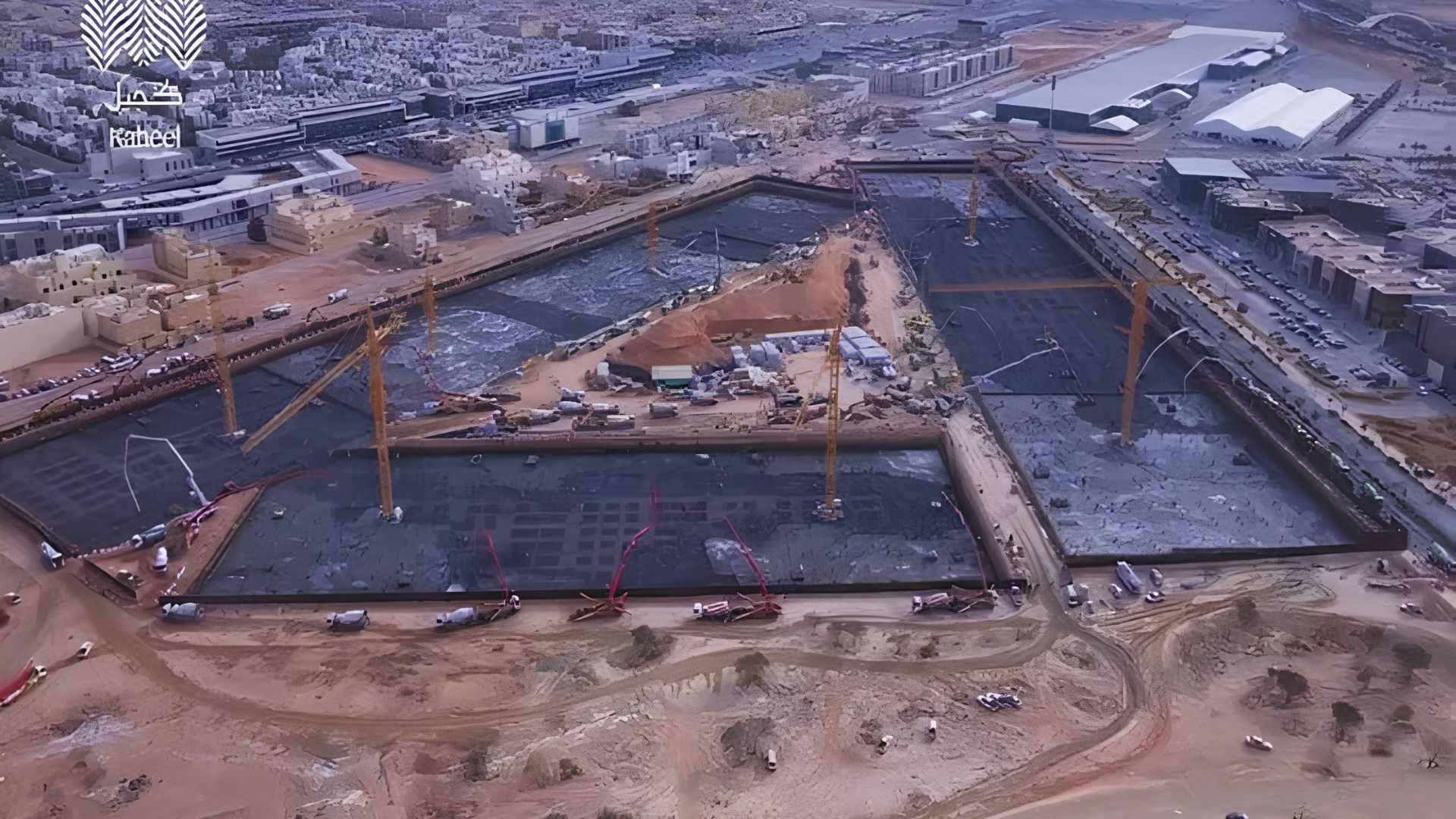
More than 6,000 trucks poured nearly 70,000 cubic meters of concrete without interruption for 72 hours to create the largest continuous concrete pour in history and erect a megaproject in Saudi Arabia.

-
28-meter, 156-ton titans traveled 20,000 km from China to the port of Santa Catarina: Portonave received 7 fully electric megacranes, part of a R$ 210 million package, to double container handling.
-
They exchanged the idea of a large house for a 35 m² warehouse, spent US$ 12,000 on the structure, and created a tiny house in Colorado with space to live and work.

-
A newly opened terminal in the middle of the Amazon has begun transporting soy and corn through Amapá, eyeing the queue of ships that is congesting the ports in the South.



The construction of the tunnel, which began in July 2013, faced several challenges. The project used the “Bertha“, one of the largest tunnel boring machines in the world at the time, but the project suffered delays due to unexpected obstacles, such as leftover metal pipes and labor disputes. Drilling resumed in December 2015, and after overcoming challenges like soil subsistence and contamination of excavated material, the tunnel was finally completed.


Megaproject Cost 2 Billion Dollars
This project, which cost around 2 billion dollars, is emblematic not only for its design and execution but also for the way it integrates into Seattle’s urban environment. The removal of the old overpass opened space for a more pleasant and commercially attractive waterfront, demonstrating the United States’ ability to harmonize transport infrastructure with the physical and aesthetic environment of its cities.
The SR 99 Tunnel is a milestone in transportation history and an example of how mega projects can be executed in urban areas despite political and technical challenges. Operating efficiently, it symbolizes the advancement in construction and urban planning, highlighting the United States’ ability to innovate and improve the quality of life in its cities.