Portuguese
  Spanish


Brazil Exports Over 40 Million Tons of Corn in 2025 and Two Markets Take the Lead in Purchases, Changing Global Trade.
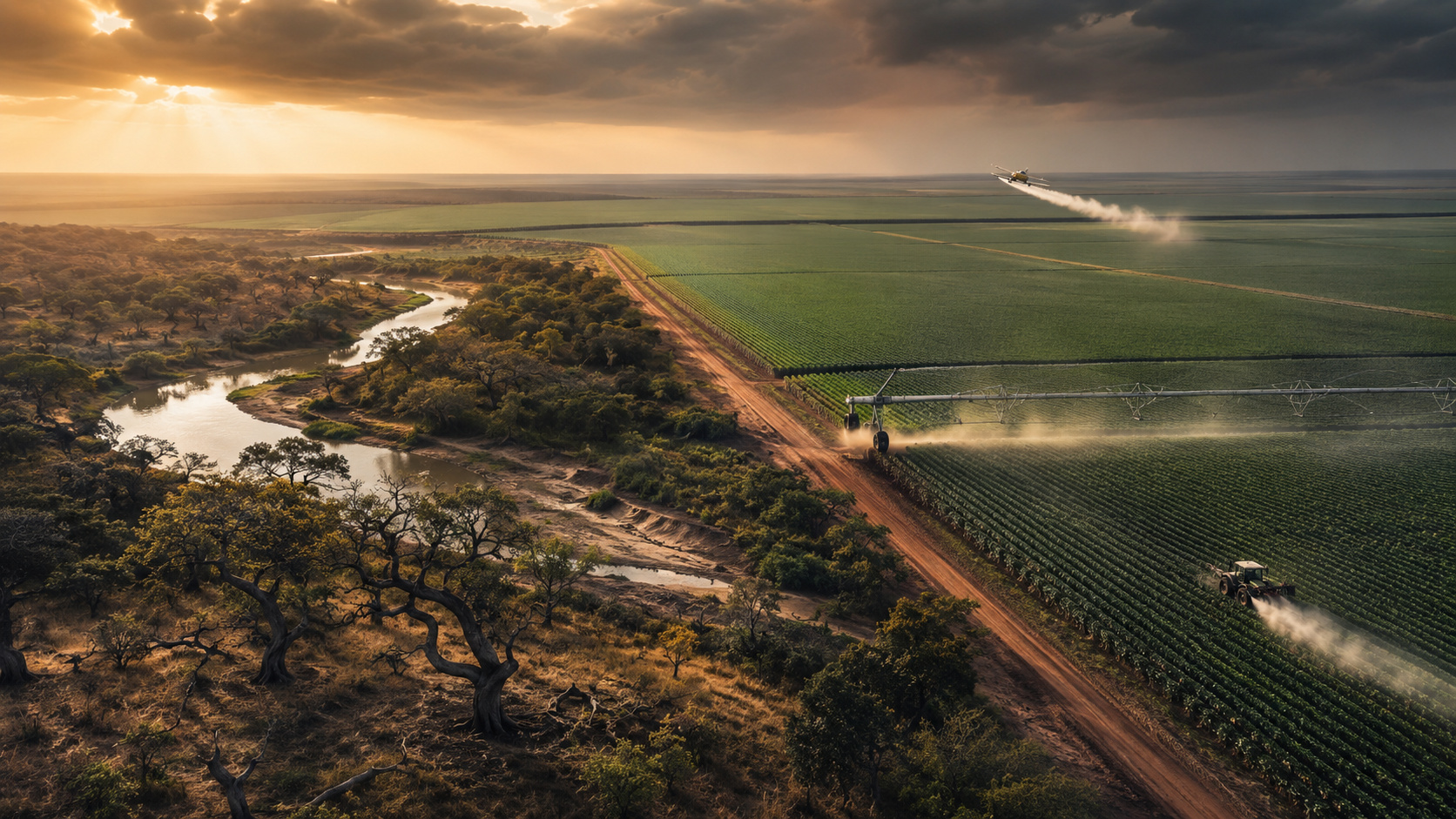
Brazilian corn in 2025 has established itself as one of the pillars of the agribusiness trade balance. Between January and August, shipments have already totaled over 40 million tons, according to data from the Foreign Trade Secretariat (Secex/MDIC). This volume confirms Brazil’s relevance as one of the largest global exporters, alongside the United States and Argentina.
The scenario becomes even more significant because, in light of climate fluctuations in other producing regions, two markets have emerged as the main destinations for Brazilian corn. This change indicates a reconfiguration of global grain trade routes and reinforces Brazil’s strategic position as a reliable supplier in times of instability.
Record Production Sustains Shipments
The basis for this performance lies in the record harvest collected between 2024 and 2025, driven by technological advances in the field and the expansion of the so-called second crop (safrinha).
-
India’s Sugar Export Cuts and Ethanol Shift Amid El Niño Threat Could Impact Global Prices and Stocks

-
Quarantine Pest Threatening Palm Trees Puts Brazilian Authorities on Alert, Prompts Monitoring at University of Taubaté and Potential Control Measures Across São Paulo
-
Global Alert: Report Finds 159 Pesticides in Coffee Beans Sold in Europe, Posing Serious Risks to Millions of Farm Workers
-
Low-Demand Brazilian Beef Offal Gains Popularity Abroad: Indonesia Purchases $19.5 Million, Boosting Revenue and Reducing Waste



According to the National Supply Company (Conab), Brazil is expected to harvest about 115 million tons of corn in 2025, maintaining the high levels seen in recent years.
This abundance has allowed the country to ensure internal supply while simultaneously maintaining a strong presence in international markets. Even with increased domestic consumption for animal feed and corn ethanol, the surplus for export remains high, supporting billion-dollar contracts.
Two Markets Gain Prominence in Purchases
While in the past Brazilian corn shipments had the United States and China as major destinations during short harvest years, in 2025 the reality has changed.
The data shows that two new markets have taken the lead in purchases, surprising analysts and expanding the diversification of destinations.
These two partners already account for over 50% of Brazilian exports for the year, with shipments rapidly expanding from the first half. For Brazil, this redirection is strategic: it reduces dependence on a single buyer and strengthens its negotiating position in the international grain trade.
Iran and Egypt Take the Lead in Purchases
In previous years, Brazilian exports had varied destinations, but in 2025 two markets stood out sharply: Iran and Egypt.
In the first two months of 2025, Iran accounted for about 34% of Brazilian corn imports, becoming the main destination. The country, which relies heavily on grain imports to ensure food security and supply its feed industry, has increased shipments to historic levels.
Egypt, in turn, accounted for approximately 25% of purchases in the same period. The African nation is a traditional partner of Brazil and, facing increasing demand for corn for animal feed, has established itself as the second-largest destination for the grain.
Together, Iran and Egypt absorbed nearly 60% of Brazilian corn exports at the beginning of 2025, repositioning the global grain trade map and opening up space for new commercial strategies from Brazil.
Source: Fas.usda.gov
The Weight of Corn in the Trade Balance
Corn exports brought Brazil over US$ 9 billion in 2025 through August, solidifying the grain as one of the top five products in the agricultural agenda.
The importance is such that corn today is on par with soybeans, beef, sugar, and coffee on the list of commodities that ensure a surplus for Brazilian foreign trade.
Moreover, the numbers show that Brazil has captured a global market share of nearly 30% of the corn market, reinforcing its status as a food power in a world marked by climate volatility and trade disputes.
Competitiveness: Climate, Logistics and Exchange Rate
Three factors explain the competitiveness of Brazilian corn in 2025:
- Favorable Climate — despite regional fluctuations, the country recorded suitable conditions for high productivity.
- Logistical Advances — corridors such as the North-South Railway and new port terminals reduced shipping costs and ensured efficiency in exports.
- Exchange Rate — the devalued real against the dollar increased the attractiveness of Brazilian corn in external markets, making the product more competitive compared to rivals.
The Geopolitical Dispute Over Corn
The movement also has geopolitical repercussions. The partial crop failure in the United States in 2025 opened up space for Brazil to occupy strategic markets. Analysts point out that, in light of the growing global demand for feed and biofuels, corn has become a food security asset.
In this context, the rise of two importing markets for Brazil reinforces the country’s role as a reliable alternative to American supply, especially in regions of Asia and the Middle East that seek to ensure stocks for their animal production systems.
Outlook for the Coming Months
By December, the expectation is that Brazilian shipments will exceed 50 million tons, solidifying another historic year. Diversification of destinations will continue to be the focus, with two markets maintaining the lead, but with other countries also increasing purchases to reduce risks in their food supply chains.
According to experts, Brazil should invest even more in rail and port logistics to consolidate this leadership. At the same time, issues such as sustainability and environmental certifications are expected to gain weight in negotiations, especially with more demanding markets.
The performance of corn in 2025 shows how Brazilian agriculture has become a protagonist in global trade. With over 40 million tons already exported by August, the country confirms its position as a trusted supplier in times of instability.
The rise of two importing markets to the top of the list reinforces the importance of diversification and places Brazil in a strategic position not only as an exporter but as a central piece in the balance of global food supply.