Portuguese
  Spanish



Bain & Company And Amcham Brazil Study Shows How Biofuels Should Accelerate Investments, Drive Sustainable Growth, And Expand Brazil’s Role With Biodiesel, Ethanol, And SAF By 2050
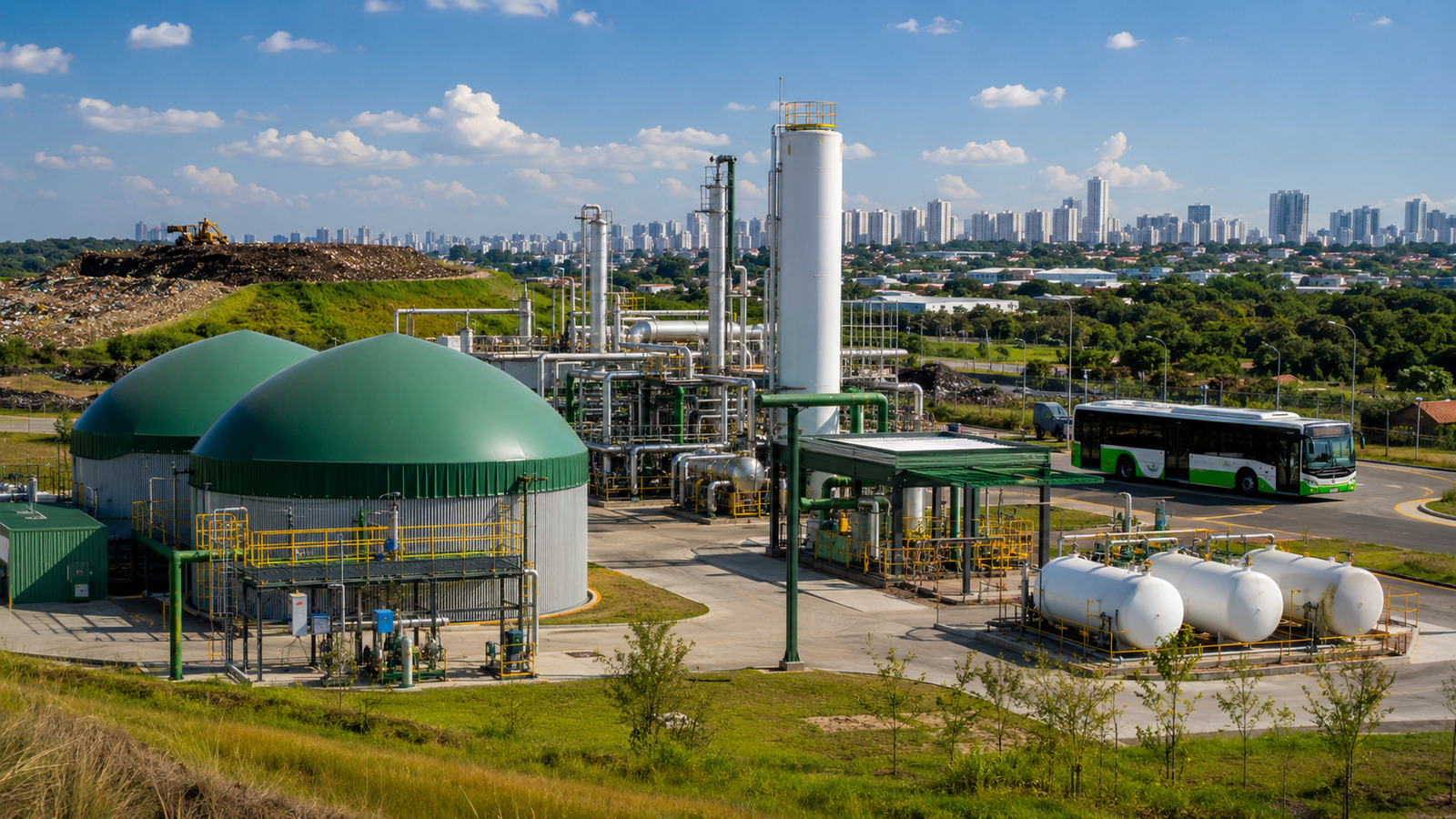
A joint study by Bain & Company and Amcham Brazil, released this month, indicates that global demand for biofuels could grow between 2.5 and 4 times by 2050, depending on the public policies adopted and the ability of countries to structure efficient production chains. In this article, we will explain how Brazil can significantly leverage this growth.
Biofuels Gain Prominence In Global Transportation
Right at the beginning, the survey highlights a central fact for the global energy sector: even with the advancement of electrification, about 44% of transportation sector emissions remain concentrated in segments where electric solutions are not technically or economically viable.
According to an article published by Jornal Cana this Monday (15), this scenario opens the door for renewable fuels like biodiesel, ethanol, and SAF, which emerge as strategic alternatives to reduce emissions, enhance energy security, and meet climate goals.
-
US$ 7 billion, green hydrogen, and steel with up to 95% less CO₂: the first green steel plant on the planet emerges in Sweden and targets Brazil as the next chapter

-
Swedes manage to create synthetic fuel with CO₂, water, and renewable energy, compatible with current engines, but face a huge problem: the energy expenditure is still double the return.
-
Brazil begins to transform wheat, residues, sweet potatoes, and soy molasses into ethanol, in a new phase of biofuels that seeks to utilize leftovers from the field and industry to fuel flex-fuel cars.

-
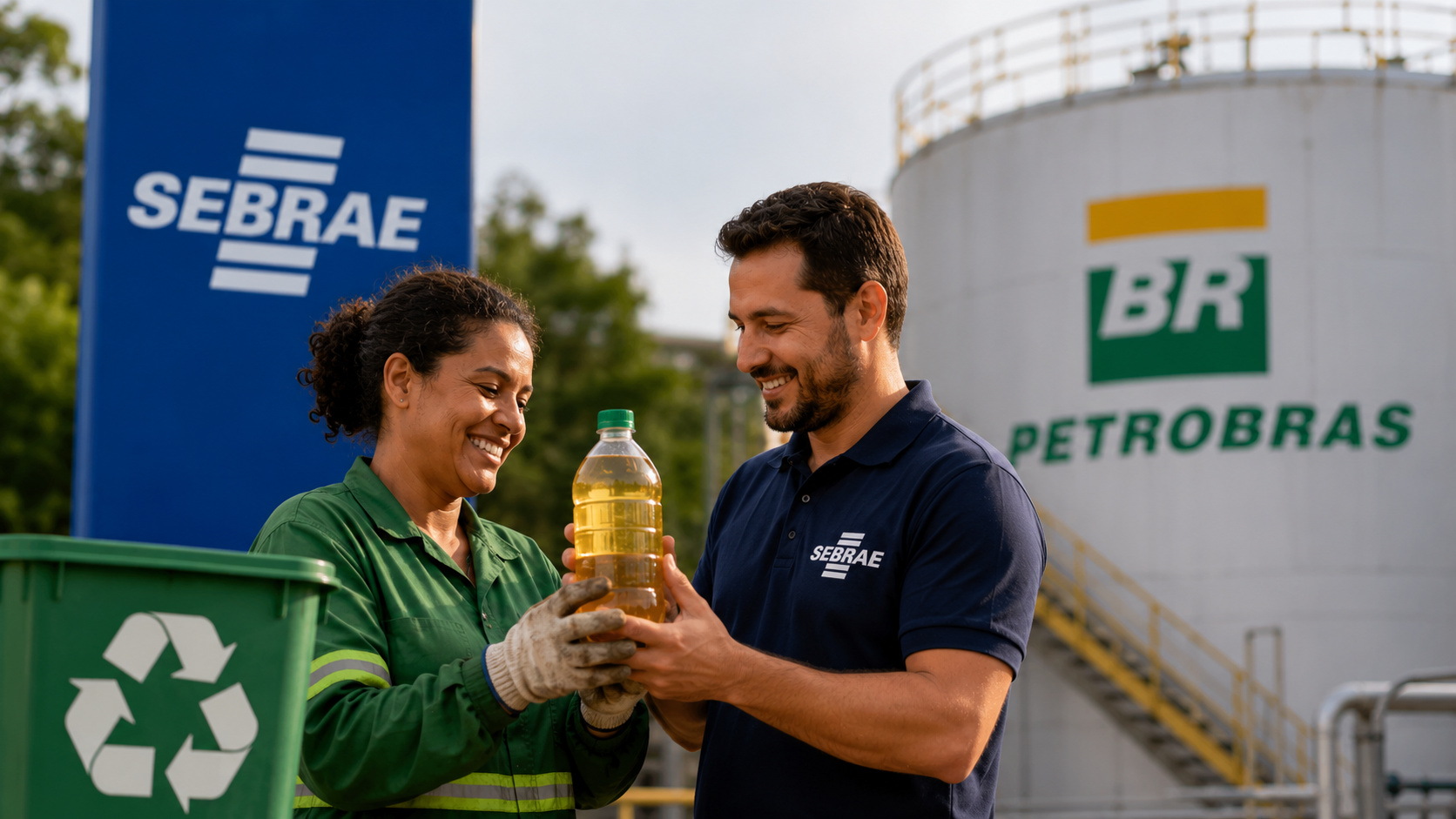
Sebrae and Petrobras join forces in Ceará to include waste pickers in the circular economy and strengthen the biofuel chain, creating new income opportunities and expanding the sustainable use of waste with a direct impact on regional development.




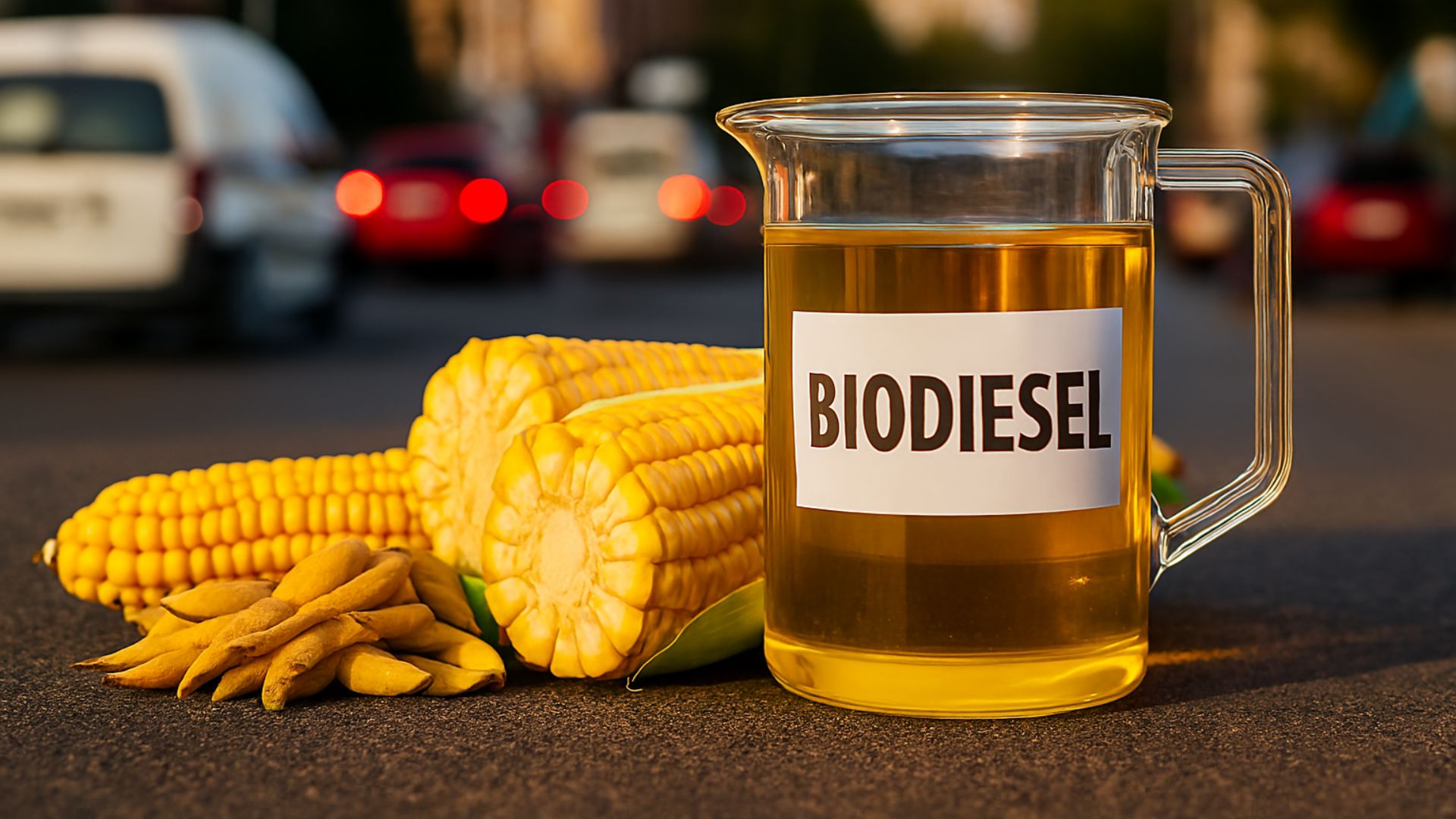
The study points out that biofuels cease to be a complementary solution and begin to occupy a fundamental role in the global energy matrix, driving investments and creating long-term economic opportunities. In this context, Brazil stands out as one of the countries best positioned to lead this movement.
According to Bain and Amcham Brazil, sectors such as aviation, maritime transport, heavy transportation, and part of road logistics will continue to face limitations for complete electrification in the coming decades. For this reason, biofuels assume increasing relevance as a short- and medium-term solution.
These fuels present an important competitive advantage: they can be used in existing infrastructure, reducing adaptation costs and accelerating large-scale adoption. This characteristic allows for a faster environmental impact, especially in emission-intensive sectors.
The study highlights that, in this scenario, countries that manage to structure efficient and sustainable production chains will have a strategic advantage in the international energy market.
Biodiesel, Ethanol, And SAF Drive Global Investments
The survey indicates that the expected growth in global demand should stimulate significant investments in production, logistics, technological innovation, and environmental certification. This movement is expected to intensify in the next decade as governments expand their emissions reduction goals.
Biodiesel and ethanol remain pillars in ground transportation, especially in economies with a strong agricultural base. Meanwhile, SAF emerges as the main alternative to reduce aviation emissions, a sector responsible for an increasing share of global greenhouse gas emissions.
Despite the potential, the study warns of significant economic challenges. The cost of SAF still varies between two and three times the price of conventional jet fuel, which requires incentives, long-term contracts, and regulatory predictability to enable new investments.
How Brazil Is Establishing Itself As A Reference In Biofuels
The study indicates that Brazil has unique conditions to expand its participation in the global biofuels market. The country combines abundance of raw materials, consolidated regulatory experience, installed industrial capacity, and technical knowledge accumulated over decades.
Initiatives like RenovaBio, the Future Fuel Law, and the increase of mandatory blends of ethanol and biodiesel strengthen the sector’s predictability. These instruments reduce risks, attract investments, and bolster market confidence.
Furthermore, Brazil has the potential to simultaneously meet domestic and international demand, especially from Europe, the United States, and the global aviation sector, enhancing its prominence in the global energy landscape.
Sustainable Growth Requires Attention To The Supply Of Raw Materials
Despite the promising scenario, the study raises an important alert about the sustainability of the expansion. By 2030, there could be a global deficit of up to 20% in the supply of raw materials for biofuels if additional investments do not occur.
To ensure sustainable growth, it will be necessary to expand the use of new energy crops, intensify the utilization of agricultural and industrial waste, and develop alternative technological routes, such as advanced biofuels.
Without advances in this field, the costs of biofuels may remain high, hindering competitiveness against fossil fuels, especially in price-sensitive markets.
Investments, Regulation, And SAF Challenges
Another central point of the study pertains to regulatory barriers. The absence of harmonized international standards for certification and calculating carbon footprint, especially in the case of SAF, makes access to the global market difficult.
This lack of standardization creates uncertainty for producers and investors, delaying projects and limiting economies of scale. International cooperation is identified as a decisive factor to reduce costs and expand the adoption of sustainable aviation fuel.
Moreover, the study emphasizes that regulatory instability or abrupt changes in rules may jeopardize the flow of investments, even in countries with high production potential.
Paths To Turn Potential Into Reality
According to Bain & Company and Amcham Brazil, consistent public policies, regulatory stability, and international coordination will be crucial for the sector to achieve real scale in the coming decades.
Well-structured instruments can reduce risks, attract investments, and accelerate the sustainable growth of the biofuels industry. In this context, Brazil stands out for already having internationally recognized mechanisms.
The combination of biodiesel, ethanol, and SAF strengthens energy security, generates economic opportunities, and positions the country as a strategic supplier of renewable energy. The study concludes that decisions made now will be crucial in determining which countries will lead this market by 2050.