






 Portuguese
  Spanish
  3 min of reading
  0 comments


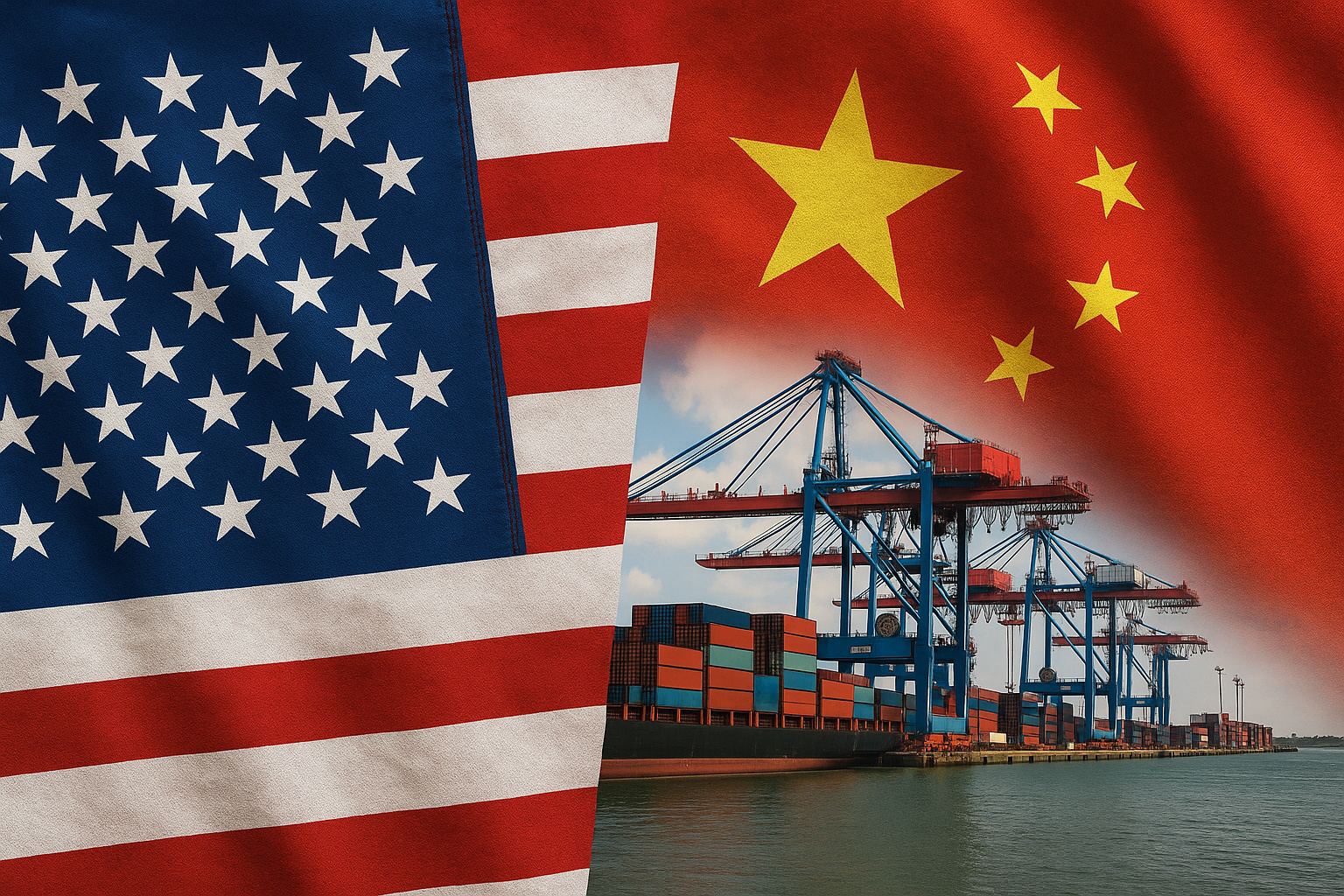
The American Government Aims to Reduce Dependence on China and Strengthen Economic Security Amid New Tariff Measures Taking Effect in November
Starting on November 9, 2025, the United States will impose tariffs ranging from 100% to 150% on port and logistics equipment related to China.
According to the U.S. Trade Representative (USTR), the measure published in the Federal Register aims to <strong strengthen supply chains and protect national economic security.
Additionally, the decision intends to reduce dependence on Chinese products, creating a new trade front between the two largest economies in the world.
Tariffs on Cranes, Chassis, and Port Equipment
According to the USTR, on October 10, 2025, tariffs were announced covering ship-to-shore (STS) cranes, intermodal chassis, and other port equipment.
The new rules also apply to products manufactured, assembled, or containing Chinese components, significantly expanding the scope of the measures.
Items affected include trailers, semi-trailers, rail cranes, and automated forklifts, as well as reachstackers, straddle carriers, terminal tractors, and top loaders.
The rates vary between 100% and 150%, depending on the category and origin of the products.
However, STS cranes contracted by April 17, 2025 and delivered by April 18, 2027 will be exempt from the 100% tariff.
This temporary exemption aims to ensure predictability for contracts already established prior to the official publication.
ARTICLE CONTINUES BELOWSee also
Not even the end of the ‘roller coaster’ described by the price of Brent crude oil (the main global benchmark) – which jumped from a price of $72 to $120, then dropped to $76 per barrel – due to the recent peace agreement between the US and Iran, was enough to relieve the Brazilian economy from inflationary pressures.

European Union looks again at Brazilian seafood after a nearly 8-year ban and may unlock a coveted market for lobster, tuna, tilapia, and shrimp.

Japanese retro sneakers become a sales phenomenon, help Asics achieve record profits, and gain their own operation to target Los Angeles, Milan, and Seoul.
Weg is the Brazilian company most exposed to Trump’s tariff hike. The multinational manufacturer of industrial motors and equipment, headquartered in Jaraguá do Sul (SC), is racing against time to reduce the impact of the new U.S. taxation.





Changes in Fees on Foreign Ships
The government also changed the way fees are charged on foreign ships transporting vehicles, promoting greater regulatory equity.
The amount will be US$ 46 per net ton, limited to five charges per vessel per year, replacing the previous calculation by unit transported.
In addition, U.S. government ships and those registered under the Maritime Security Program will be exempt until April 2029.
This change, according to the Federal Register, aims to modernize port policy and encourage internal logistical control.
Motivations and Justifications for the Measures
The USTR emphasized that the new tariffs aim to increase the leverage of the United States against Chinese trade practices deemed unfair.
In doing so, it seeks to strengthen national security and protect critical infrastructures related to maritime trade.
Additionally, the decision aims to reduce vulnerabilities in strategic supply chains and increase national logistical resilience.
The agency also opened public consultation until November 10, 2025, allowing companies and entities to provide input and suggestions on economic impacts.
Expected Impacts and Industry Reactions
The USTR canceled the possibility of suspending liquefied natural gas (LNG) export licenses, stating that the measure avoids short-term disruptions and maintains energy stability.
On the other hand, the American Association of Port Authorities (AAPA) harshly criticized the decision.
The entity stated that the tariffs could raise operational costs, delay port modernization projects, and directly impact international maritime trade.
Furthermore, logistics experts warn that the tariffs will likely increase input prices, reduce American competitiveness, and create uncertainties in global transport chains.
According to analysts, the side effects could include increased costs, delays in investments, and adjustments in global trade dynamics.




Be the first to react!