





 Portuguese
  English
  Spanish
  4 min of reading
  0 comments


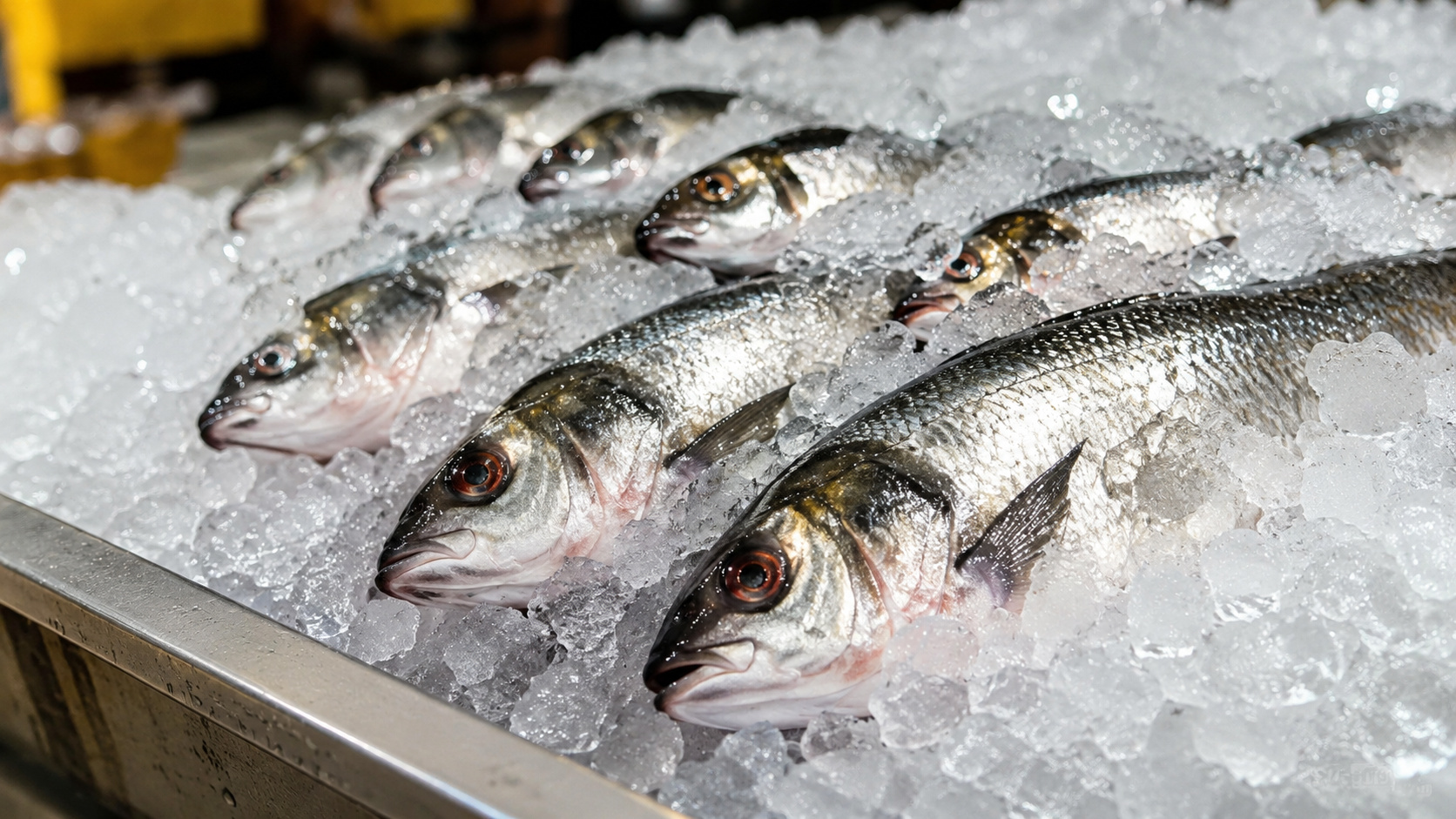
Audit conducted between June 8 and 19 may define new steps for Brazilian fish exports to the European bloc
The Brazilian fishing sector entered a decisive phase in June. Auditors from the European Union are conducting a technical mission in Brazil to evaluate the control systems related to fish production intended for the bloc.
The visit takes place between June 8 and 19 and may indicate the next steps for a possible resumption of Brazilian exports. The European market has been closed to Brazilian fish products since 2017.
According to the European Commission, currently there are no Brazilian establishments approved and authorized to export fish products to the European Union.
-
Japanese retro sneakers become a sales phenomenon, help Asics achieve record profits, and gain their own operation to target Los Angeles, Milan, and Seoul.

-
Voltalia secures 322 MW of electrical connection in Pecém and targets data centers with renewable energy, robust network, and dedicated wind projects in Ceará.
-
Weg is the Brazilian company most exposed to Trump’s tariff hike. The multinational manufacturer of industrial motors and equipment, headquartered in Jaraguá do Sul (SC), is racing against time to reduce the impact of the new U.S. taxation.

-
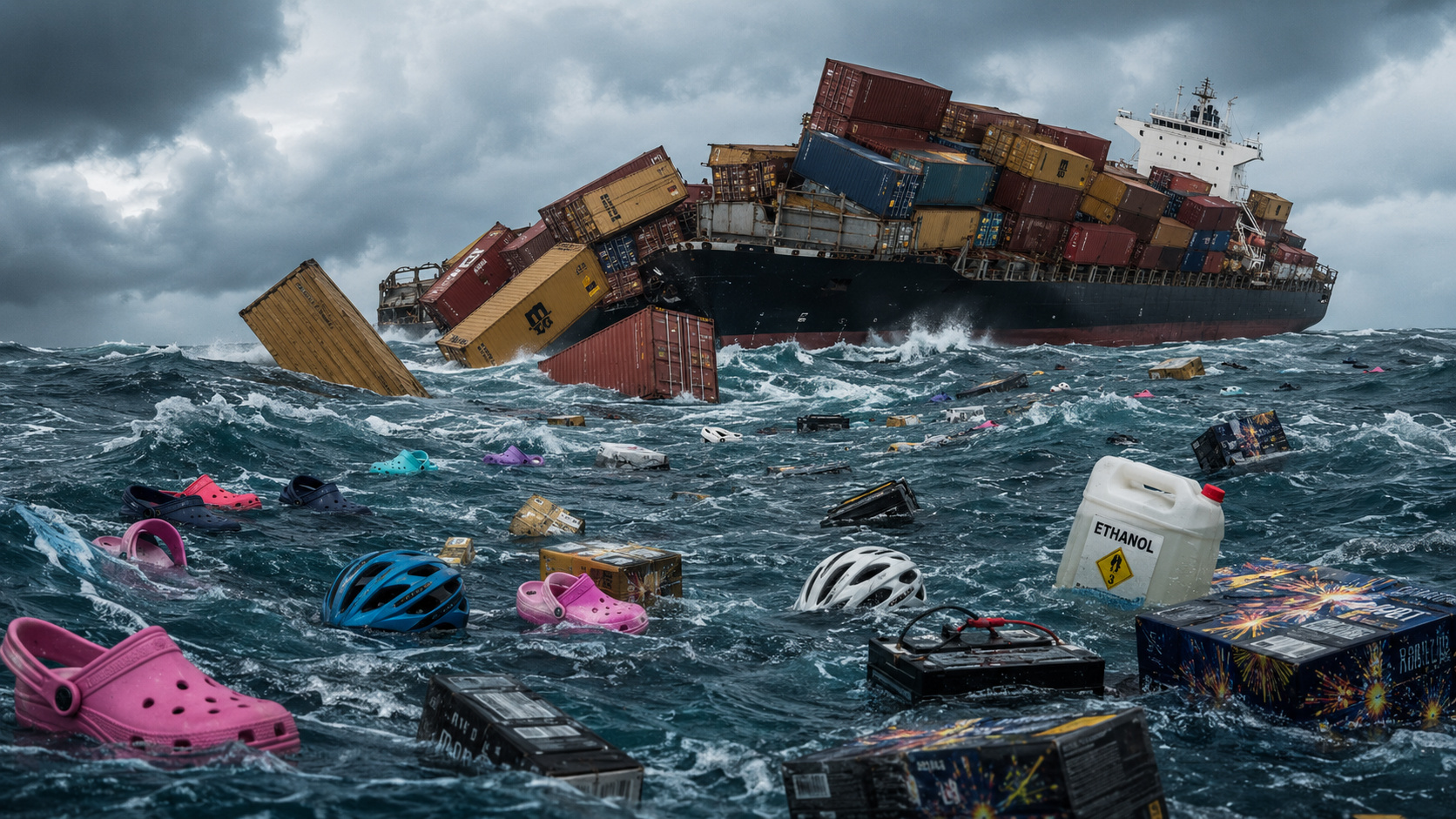
Cargo ship lost nearly 2,000 containers in the Pacific, scattering Crocs, helmets, electronics, batteries, ethanol, and 54 giant boxes of fireworks across the ocean.

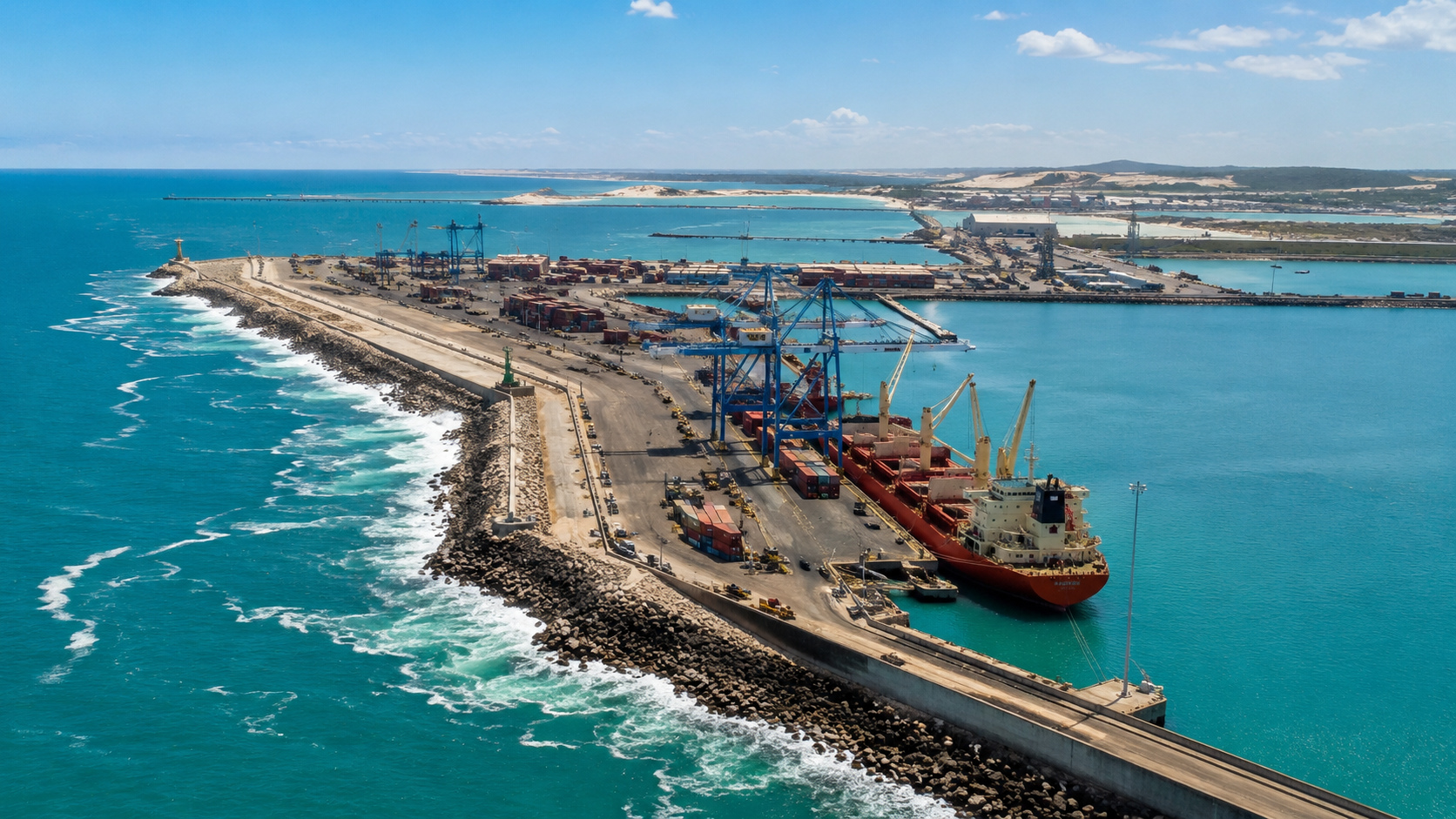

A favorable opinion could reopen the market for items such as lobster, tuna, tilapia, and shrimp, products that once had a significant share in Brazilian foreign sales.
European audit evaluates controls and traceability
The European Union’s technical mission analyzes the official inspection systems applied to Brazilian fish production.
The goal is to verify if the controls in place meet the sanitary and operational requirements of the European bloc.
In 2017, the European Union raised questions about the Brazilian fishing process, mainly regarding the conditions of the vessels.
The Brazilian government decided to suspend shipments that same year, before a formal ban. In May 2018, the European Union confirmed the complete ban.
Before the restriction, about 14% of Brazilian fish exports had the European market as their destination.
Resumption could diversify Brazilian fish markets
The possible reopening of the European market could reduce dependence on other international buyers.
After the blockade, Brazilian fish exports became more concentrated in the United States and expanded to Asian countries.
The search for new destinations gained momentum amid commercial and tariff uncertainties in the external market.
Products such as lobster, tuna, and tilapia are among the main interested parties in a potential release.
Lobster maintains economic and historical significance
Brazilian lobster has economic weight and also carries a history of tension with European countries.
Between 1961 and 1963, disputes involving French vessels off the coast of Rio Grande do Norte became known as the Lobster War.
Predatory fishing of the crustacean intensified in the following decades, especially in the Northeast region.
According to estimates cited by Oceana, the population of red lobster has fallen by more than 80%.
Minimum size rules, closed seasons, and annual quotas have been adopted to try to preserve the species.
Since 2023, there are annual limits for the capture of the crustacean.

Inspection targets illegal fishing in the Northeast
Inspection still faces significant challenges in the lobster chain.
In 2025, Ibama carried out in Ceará the largest seizure of traps for capturing lobsters ever recorded in the country.
The equipment, known as marambaias, was ready to be launched into the sea before the end of the closed season.
It was estimated that about 300 tons of lobster were prevented from being illegally captured that year.
Caroline Vieira Feitosa, a professor at the Labomar of the Federal University of Ceará, points out that there are still deficiencies in vessels, traceability failures, and handling problems.
Tuna faces logistics and environmental control obstacles
Tuna is also at the center of discussions about export and inspection.
Humberto Hazin, a professor at the Federal Rural University of the Semi-Arid Region, assesses that the European Union has strong production in this segment and protects its own market.
The distance between Brazil and Europe can also reduce the competitiveness of fresh Brazilian tuna.
The travel time directly influences the quality of the fish delivered to the final consumer.
Tuna fishing is controlled by the International Commission for the Conservation of Atlantic Tunas and Related Species, of which Brazil is a part.
Irregular capture can affect other marine species, such as sharks, birds, and turtles.
In December 2025, the Tuna operation, conducted by Ibama in Rio Grande do Norte, seized more than two tons of fish.
Climate changes concern the sector
The increase in ocean temperatures also worries specialists and fishermen.
Hazin states that small thermal variations can already alter fish migratory routes.
Recent fishing expeditions returned earlier than expected and with a smaller volume of fish.
In lobsters, ocean warming can affect reefs and compromise the ecosystem balance.
Feitosa reports that fishermen notice the need to search for the crustacean increasingly farther away.
Aquaculture expects progress even with partial release
Brazilian aquaculture has been questioning the scope of the European embargo since 2018.
The sector believes that restrictions related to maritime fishing should not affect controlled productions, such as tilapia and shrimp.
Francisco Medeiros, president of the Brazilian Aquaculture Association, states that Brazil is prepared for the European Union mission.
A partial release can already represent significant progress for Brazilian producers.
The audit result should indicate whether Brazil can rebuild its presence in the European fish market.
Should the European Union reopen the market for Brazilian fish despite the challenges of inspection, traceability, and illegal fishing?






Be the first to react!