Portuguese
  Spanish


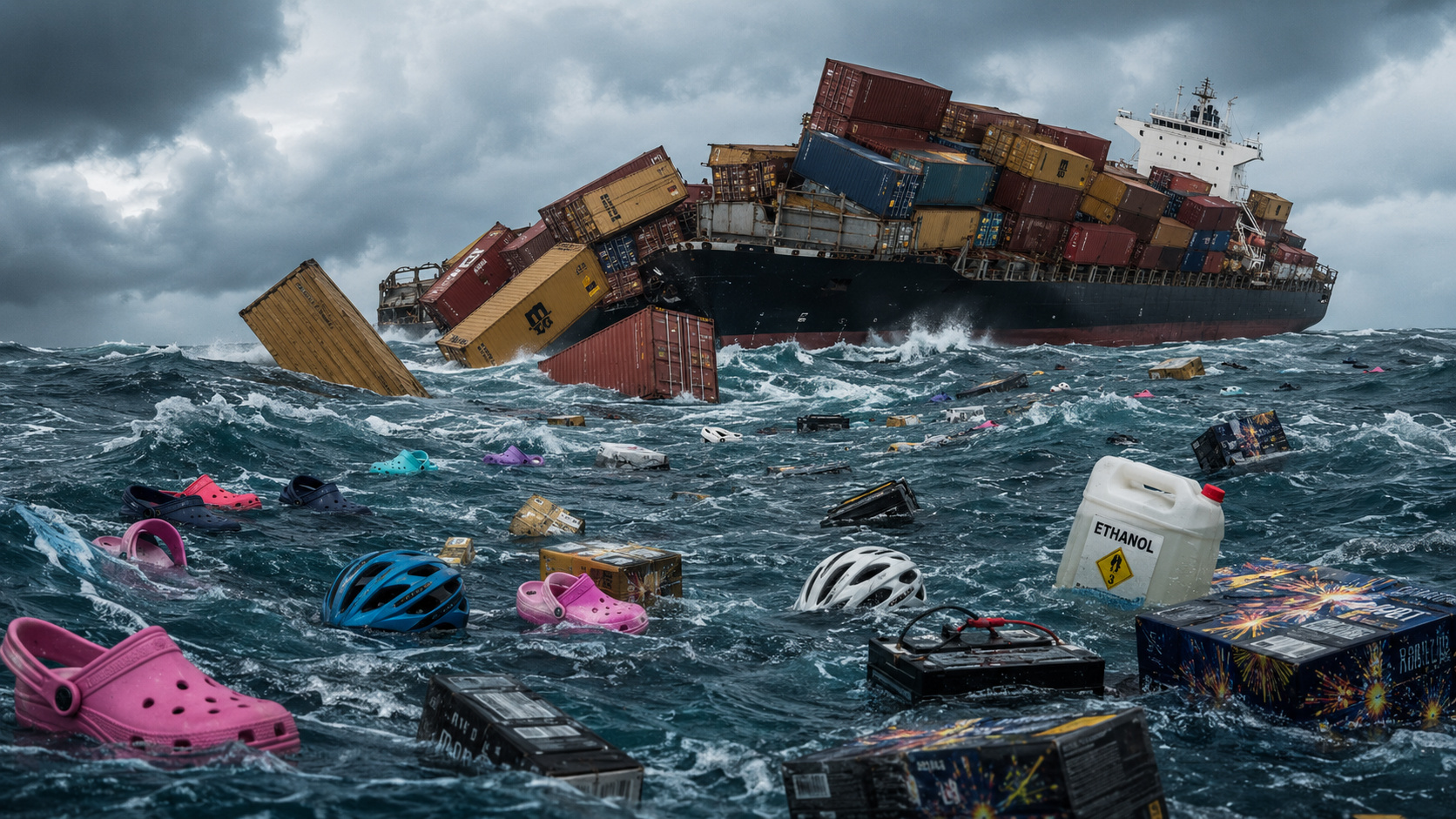

The accident with the ONE Apus revealed how lost cargo at sea can spread shoes, electronics, and hazardous materials over thousands of kilometers, leaving traces on beaches and raising an alert about marine pollution linked to global trade
A cargo ship lost almost 2,000 containers in the Pacific and scattered an unlikely cargo across the ocean, including Crocs, helmets, electronics, batteries, ethanol, and 54 containers of fireworks. The incident occurred in November 2020, during a voyage from China to California.
The information was published by Halifax CityNews, a local news portal in Halifax, Canada. The episode involving the ONE Apus showed that a container drop is not just a loss for companies. It can also become a long-term environmental problem.
The cargo fell in the open sea, far from the public eye. Even so, some of the objects later appeared on distant beaches, proving that the ocean can carry debris for thousands of kilometers before returning it to the shore.
-
Petrobras Secures $2.2 Billion Contract to Build and Operate Four Support Vessels for Brazil’s Offshore Oil Fields

-
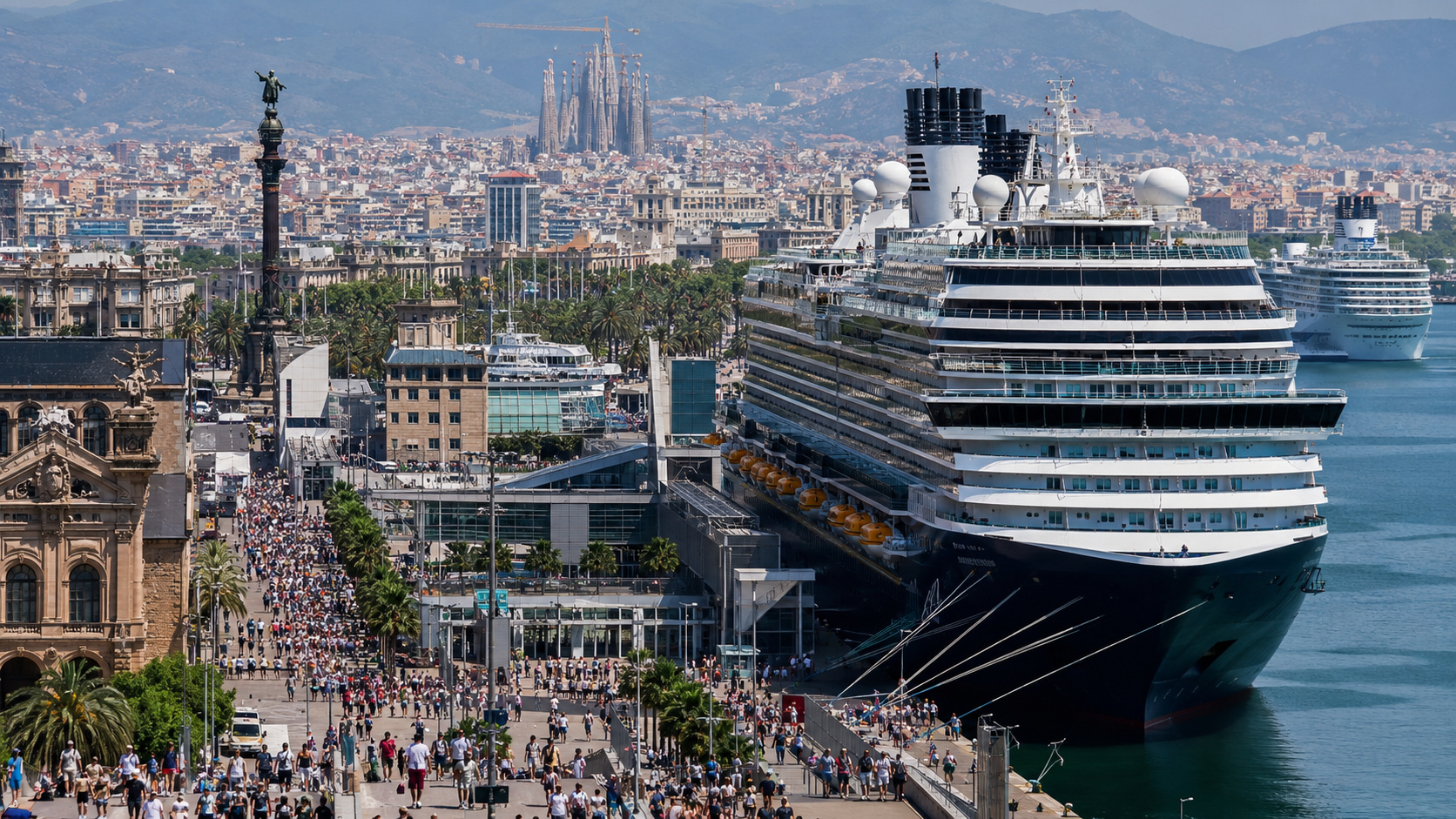
While many ports want to grow, Barcelona has decided to do the opposite and will cut cruise terminals from 7 to 5 after pressure from residents, protests, and crowds.

-
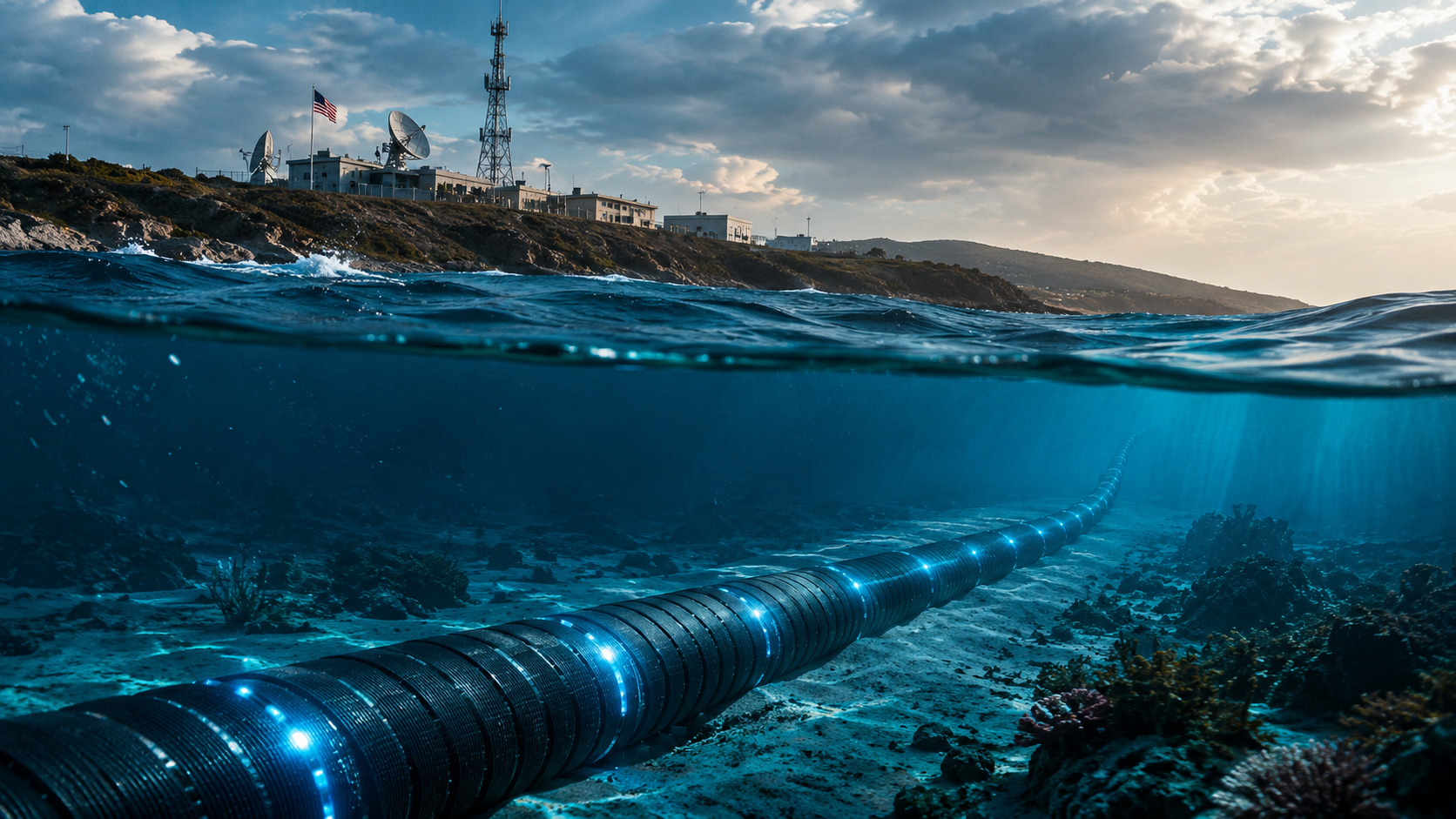
The United States wants to tighten control over submarine cables that carry 99% of international internet, silently cross oceans, total more than 400 routes worldwide, and have become a strategic piece in the competition for data, technology, and suppliers.
-
European Union looks again at Brazilian seafood after a nearly 8-year ban and may unlock a coveted market for lobster, tuna, tilapia, and shrimp.

How almost 2,000 containers fell into the Pacific during the voyage
The ONE Apus was traveling from China to California when it encountered bad weather in the Pacific. Amid strong waves, almost 2,000 containers slid off the vessel and fell into the sea.


Cargo ships transport large metal boxes stacked in columns. When the sea becomes very rough, the ship’s rocking can hit the cargo with enough force to displace some of these structures.
In huge cargo ships, the risk takes on another dimension. A poorly positioned, damaged, or ship-movement-affected box can impact others around it. Thus, the fall of a group of containers can turn into a much larger loss.
The case drew attention because it happened on an important global trade route. What should have been just a cargo crossing ended with almost 2,000 containers in the ocean and a list of products that seemed to come from an impossible inventory.
Crocs, helmets, electronics, and fireworks were among the lost items
The lost cargo was not just made up of common unmarked boxes. There were thousands of boxes of Crocs, bicycle helmets, electronics, and products classified as more dangerous.
Also on the vessel were batteries, ethanol, and 54 containers of fireworks. This combination raises concern because it mixes everyday consumer items with materials that can pose a risk to the environment and navigation.
Judicial documents and industry reports also pointed to more than $100,000 in bicycle helmets. Some of these items later helped researchers and volunteers identify the source of the trash found on beaches.
A lost Croc in the sand might just seem like a beachgoer’s carelessness. But several different shoes, of various sizes and colors, revealed another story: they came from a commercial cargo dropped at sea.
Why seemingly common cargo can become ocean pollution
Shoes, helmets, and electronics seem like mundane objects when they are in stores. In the sea, they become waste that is difficult to control. Plastics, foams, metals, and small parts can spread over long distances.
The problem grows when the container breaks open. The metal box can sink whole, open during the fall, or break after hitting the seabed. In any scenario, the contents can escape and circulate with the currents.
Halifax CityNews, a local news portal in Halifax, Canada, detailed that researchers mapped the path of debris linked to the ONE Apus to different areas of the Pacific. This included beaches in the state of Washington and Midway Atoll, near Hawaii.
The impact does not depend solely on whether a cargo is toxic. Even common products can suffocate coastal environments, become microplastics over time, and affect animals that mistake debris for food.
Recovering containers at sea is difficult because many sink and disappear
When a container falls into the ocean, recovery is rarely simple. Many sink quickly. Others float for some time, drift away, and disappear before a team can reach the location.
In deep waters, finding a metal box on the seabed can be almost impossible without specialized equipment. Even when there is an approximate position, the cost and technical difficulty make the operation limited.
Jason Rolfe, from the United States National Oceanic and Atmospheric Administration’s Marine Debris Program, explained that most sink and often end up in very deep waters. This helps to understand why so many containers are never recovered.
Marine biologist Andrew DeVogelaere, from the Monterey Bay National Marine Sanctuary, also warned that leaving something out of sight does not eliminate environmental consequences. For him, these containers can function as time capsules on the seabed, filled with products we buy and sell.
How lost cargoes appear years later on distant beaches
Once cargo enters the sea, the ocean decides the path. Winds, waves, and currents can carry objects for thousands of kilometers before they appear on some beach.
In the case of the ONE Apus, debris was associated with different points in the Pacific. The presence of mismatched Crocs, helmets, and other items helped show that it did not come from common trash left by visitors.
This type of finding reveals how maritime transport connects ports, consumers, and distant beaches. A product shipped in Asia can fall into the Pacific and appear much later on a coastal area of another country.
For those who find these objects in the sand, the scene may seem curious. But it also shows a chain of pollution that starts far from the beach and continues even when the ship has already moved on.
The ONE Apus accident shows the invisible side of global trade
More than 80% of international trade by volume arrives by sea. This explains the importance of cargo ships, but also shows the extent of the risks when cargo falls into the ocean.
About 250 million containers cross the seas every year. Most reach their destination, but losses continue to occur and can involve anything from clothing and electronics to flammable or hazardous materials.
Data cited by the industry indicates an average of 1,480 containers lost per year over 16 years tracked. Even when the number decreases in some periods, a single accident can spread thousands of items into the sea.
The case of the ONE Apus became an example because it brought everything together in one occurrence: giant ship, bad weather, almost 2,000 containers lost, curious items, and cargoes that require environmental care.
The fall of the ONE Apus containers showed that global trade also leaves invisible traces. What disappears in the middle of the Pacific can return years later in the form of trash, a risk to animals, and a warning to distant beaches.
If a cargo with Crocs, electronics, batteries, ethanol, and fireworks can cross the ocean after falling off a ship, who should pay for the search and cleanup of this trail in the sea?