





 Portuguese
  English
  Spanish
  3 min of reading


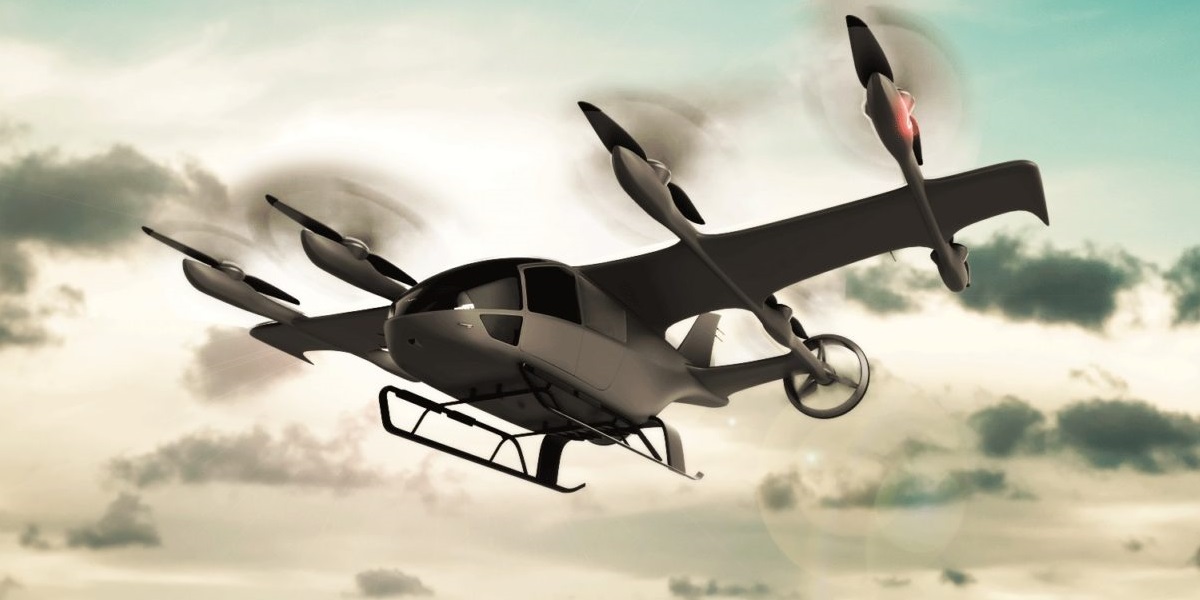
Eve, Embraer’s Vertical Takeoff and Landing Electric Vehicle Company, Has Gathered About 40 Partners and Already Has Orders for About 2,000 Electric Flying Vehicles
Eve is increasing its partnerships to complete its ambitious project for flying vehicles starting in 2026. Following a new order announced on Tuesday, 19, the company controlled by Embraer already has orders for more than 2,000 electric flying vehicles and approximately 40 partners.
The non-binding letter of intent with Embraer and BAE Systems presented on Tuesday, 19, anticipates an order with a potential of up to 150 eVTOLs. The purpose is to “analyze the application of aircraft for the defense and security market.” The potential order will be added to Eve’s current portfolio of 1,910 eVTOLs.
On Monday, Eve announced the signing of a letter of intent with Halo Aviation, a company specializing in private urban air mobility travel services, for the production and launch of an urban air traffic management software for Eve.
-
Unprecedented achievement in India: a colossal 650-ton, nearly 3,000 hp excavator is transformed into 100% electric, marking a new phase in heavy mining.

-
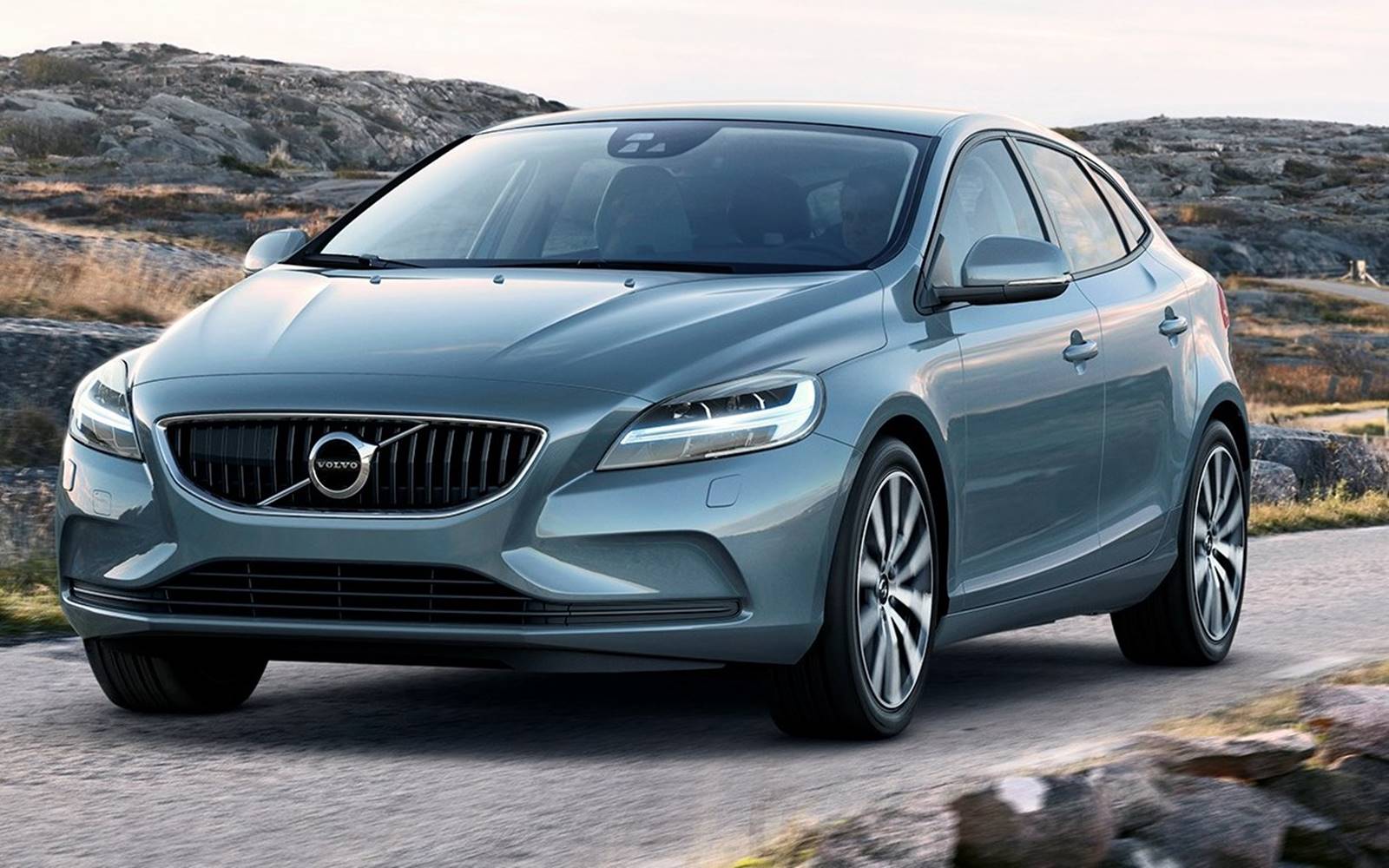
Cheaper than Fiat Pulse, Renault Kardian, and Volkswagen Tera: with a 2.0 turbo engine of 190 hp, 30.6 kgfm torque, automatic transmission, and Swedish safety package, this premium hatch delivers sports car performance at the price of a new compact: meet the Volvo V40 T4 Momentum 2017.

-
Cheaper than a new Mobi and a Polo: with a 1.8 engine of up to 139 hp, 6-speed Aisin automatic transmission, 300 liters of trunk space, and a complete equipment package, this hatch stands out for its performance and cost-effectiveness for those seeking sportiness without spending too much. Meet the Fiat Argo HGT 2018.

-
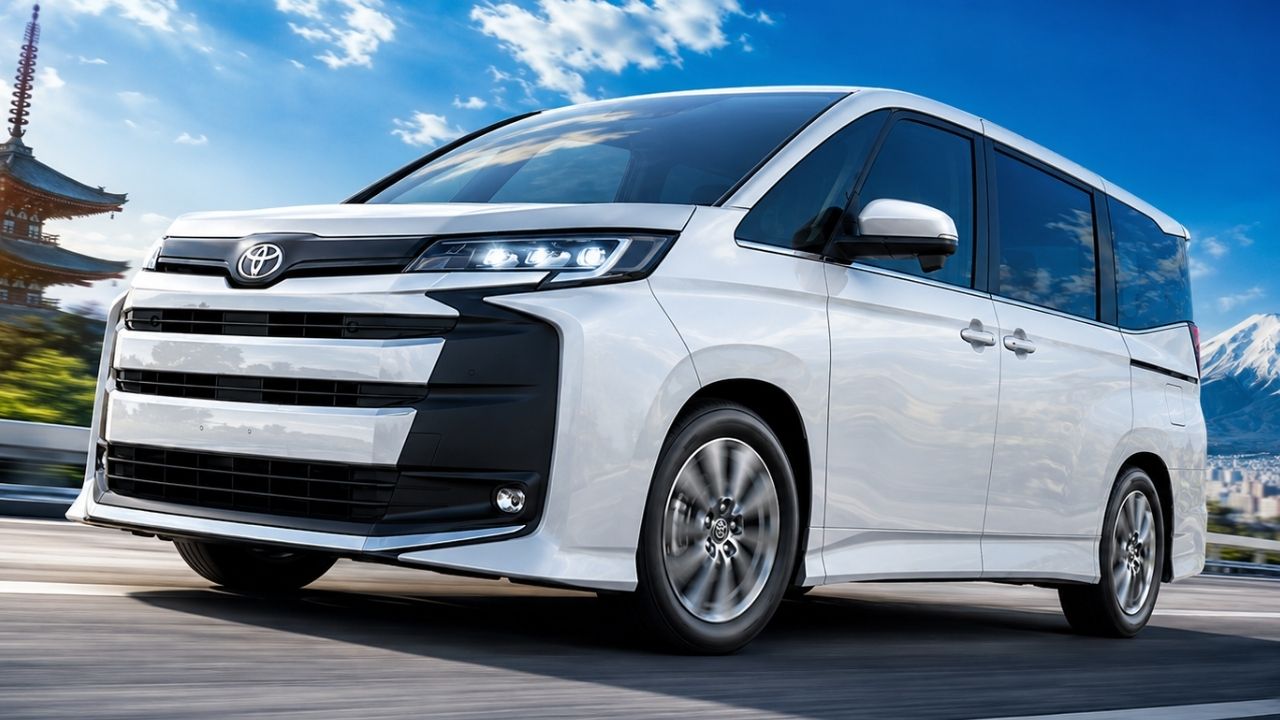
Toyota launches “family hybrid van” with 7 or 8 seats, 1.8 hybrid engine, fuel consumption of up to 23.8 km/l, and a price equivalent to about R$ 104,000 without taxes, below the Tiggo 8 Pro Plug-in Hybrid sold in Brazil: meet the Noah Hybrid 2026 in Japan.


Eve Accumulates Partnerships and Orders for Its Flying Vehicles Project
According to Eve’s co-CEO, Andre Stein, partnerships are crucial for fostering a thriving urban air mobility (UAM) market. “Eve’s solutions portfolio also embraces the complexity of UAM networks, which require holistic and integrated services throughout the ecosystem, bringing together interested parties to maintain and enhance safety, improve performance, and reduce operational costs,” said the executive in a statement.
Eve’s partnerships, a subsidiary of Embraer, to bring the flying vehicle project to fruition, already total nearly 40 investors, according to data shared by Eve. Among the partners are helicopter operators, lessors, companies operating with renewable energy, fixed-wing operators, developers of “vertiports” (locations designated for eVTOL operations), among others.
Recently, Eve was listed on the New York Stock Exchange through a business combination with Zanite, a U.S. special purpose acquisition company (SPAC) focused on the aviation sector. Embraer remains the majority shareholder of the startup.
Eve May Utilize Embraer Structures to Develop Flying Vehicles
In a recent interview with Broadcast, Eve’s co-CEO, Stein, reported that Eve has a significant advantage: access to Embraer’s engineering, which will assist in the production of flying vehicles and also support the manufacturer’s experience in aircraft certification. As a result, Eve will be able to utilize the structures of Embraer to continue the project of its flying vehicles.
Sector May Not Be Profitable Due to Proposal Popularity
According to Citi’s transport analyst, Stephen Trent, the flying vehicles market is promising, but expectations regarding the business have greatly diminished globally over time. “It’s a huge bet on something that won’t generate cash for years,” the analyst told Broadcast.
He also states that the flying vehicles sector still depends on regulation. “Embraer has a good track record of obtaining certifications in Brazil and Europe for commercial airplanes and business jets, but new technologies, mostly automated, will depend on regulators. I’m not saying it won’t happen, but there are some steps to be taken before we get there,” Trent assesses.






Be the first to react!