Portuguese
  Spanish


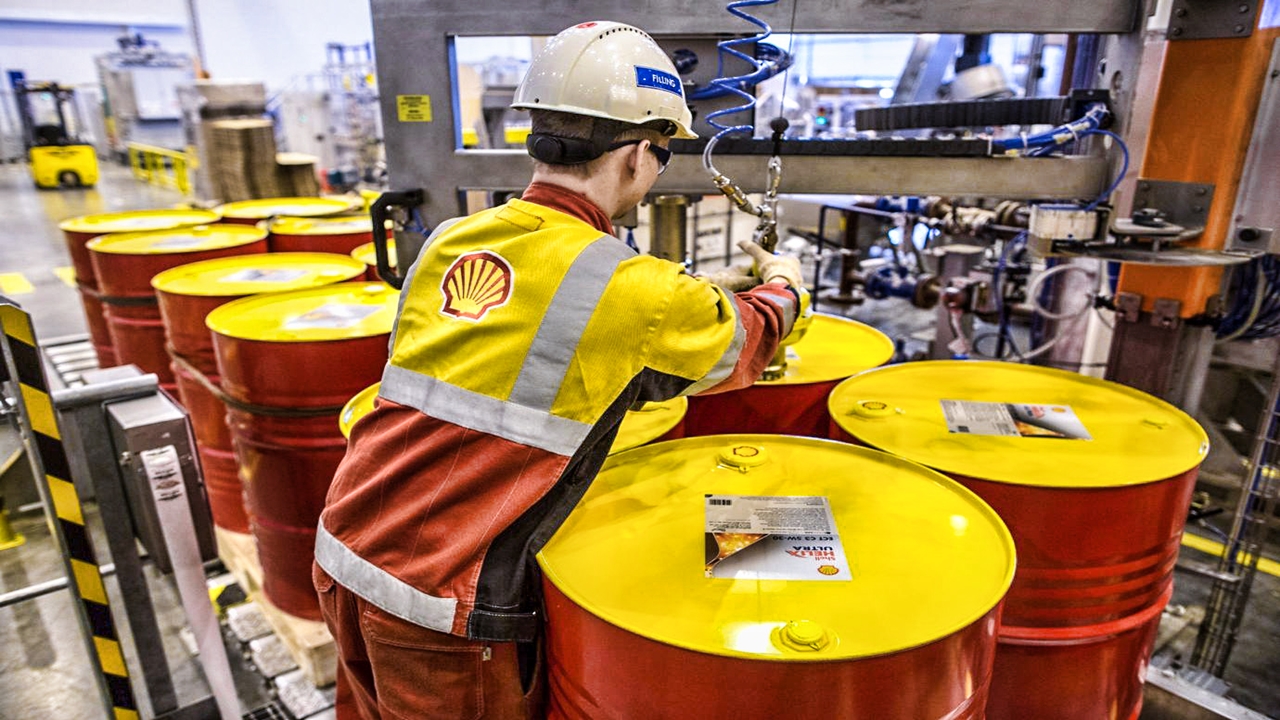

After Petrobras, Shell Is The Largest Oil Producer In Brazil, From Where It Extracts And Exports About 400 Thousand Barrels Per Day Of Crude Oil, Tax Exempt
After facing legal battles with unions and oil workers, Petrobras finalized yesterday (03/25), the sale of the Landulfo Alves Refinery – RLAM, in Bahia, for 1.65 billion dollars, to the Arab fund Mubadala Capital, and who will benefit and monopolize the fuel market of the north and northeast of Brazil is the oil company Shell.
Read Also
- Indian Group Purchases In Auction From Shell Oil Company, Oil Load From The Tupi Field, In The Pre-Salt Of The Santos Basin (RJ)
- Immediate Hiring: Maintenance and Operational Professionals Called This Morning (03/26) For Job Vacancies In A Pulp Mill
- Votorantim Calls Candidates With And Without Experience For 74 Job Vacancies In Its Factories In SP, RJ, MG, PR And Other Brazilian States
- 6 Thousand Slots For Free Qualification And Professional Update Courses With A Monthly Grant Of 120 Reais Are Offered By The State Of Bahia
Due To The Pricing Policy Adopted By Petrobras Called Import Parity Price – PPI, The Brazilian Market Imports Large Volumes Of Fuels From Refineries In The Gulf Of Mexico, Which The Dutch Multinational Operates With The Saudi Arabian Company Saudi Aramco.
After Petrobras, Shell Is The Largest Oil Producer In Brazil, From Where It Extracts And Exports About 400 Thousand Barrels Per Day Of Crude Oil, Tax Exempt.
-
Brazil’s ANP Opens 86 New Oil Blocks in the Equatorial Margin, Expanding the Amazon River Mouth Frontier

-
OPEC+ Boosts Oil Supply by 188,000 Barrels per Day in July 2026, Leading to Price Drop from $112 to $89 per Barrel in Under Two Months

-
TotalEnergies Signs 20-Year Deal to Purchase 2 Million Tons of LNG from Alaska, Boosting Project Viability
-
Turkey Deploys Çağrı Bey Drilling Ship to Explore New Oil Frontier Off Somalia’s Coast

It Is Necessary To Emphasize That Shell In Partnership With Cosan (50/50), In 2011, Created The Company Raizen, Now The Third-Largest Brazilian Company In Revenue And One Of The Largest Global Producers Of Sugarcane Ethanol. Cosan Is The Owner Of The Company Rumo Logística, Which Acquired The Norte Sul Railway.
Shell May Benefit From The Norte Sul Railway To Import Fuels Besides Operating The RLAM For Its Arab Partners
Current Owner Of Raizen, Shell Consequently Becomes The Owner Of Rumo Logística And The Norte Sul Railway. It Is Likely That The Oil Company Will Import Fuels From Its Refineries In The Gulf Of Mexico And Distribute Them In Northern And Northeastern Brazil, Via The Norte Sul Railway, While Bringing Back Grains From The Midwest For Export.
According To Former Petrobras Economist, Cláudio Da Costa Oliveira, The Arabs Of Mubadala Do Not Operate Refineries, Enabling Their Partner Shell To Operate The RLAM, To The Detriment Of Petrobras And Its Shareholders And The Sovereignty And Development Of Brazil As An Independent Country.
For Him, The Phrase Of General Horta Barbosa At The Military Club In 1947 Is Valid Today More Than Ever: “Oil Is A Good Of Collective Use, Creator Of Wealth. Research, Extraction And Refining Are Parts Of A Whole, Whose Ownership Assures Economic And Political Power, An Activity That Merges With The Very National Sovereignty.”