





 Portuguese
  English
  Spanish
  3 min of reading
  0 comments


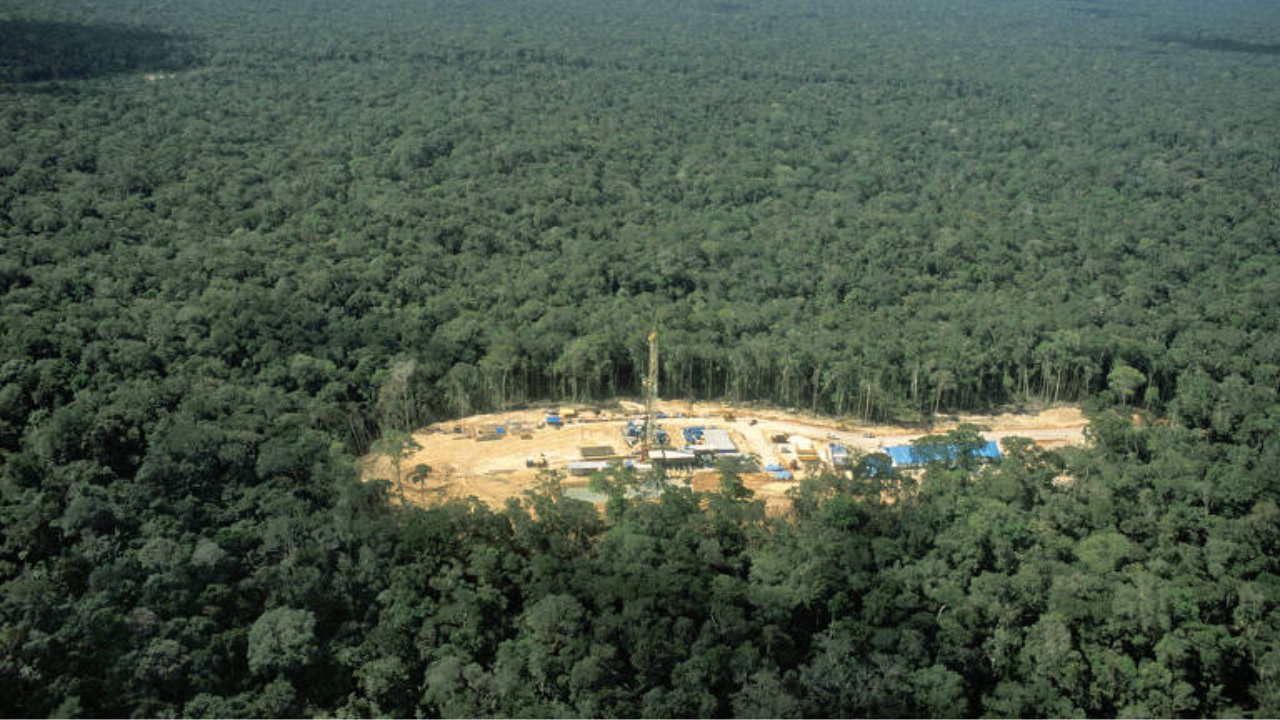
The National Agency of Petroleum (ANP) Released 275 New Oil and Natural Gas Exploration Blocks, Raising the Total Available Areas in the Country to 451. Decision Raises Concerns About Environmental and Social Impacts Ahead of COP30.
With just a few months until COP30, the National Agency of Petroleum, Natural Gas and Biofuels (ANP) authorized the inclusion of 275 new exploratory blocks and five areas with marginal accumulations in the new round of the Permanent Offering of Concession (OPC), as reported this Thursday, the 9th. The decision raises the total number of areas available for oil and natural gas exploration in national territory to 451.
The measure, although considered strategic for the expansion of the oil industry, has raised concerns among socio-environmental organizations. The International Institute Arayara warned of environmental, social, and legal risks that could compromise traditional communities and protected areas.
Institutions Point Out Irregularities and Possible Violations of Rights
According to a technical study prepared by the Geosciences team at Arayara, the new blocks have direct and indirect overlaps with indigenous lands, quilombola territories, Conservation Units (UCs), and rural settlements. The affected areas encompass states such as Maranhão, Bahia, Minas Gerais, Rondônia, and Roraima.
-
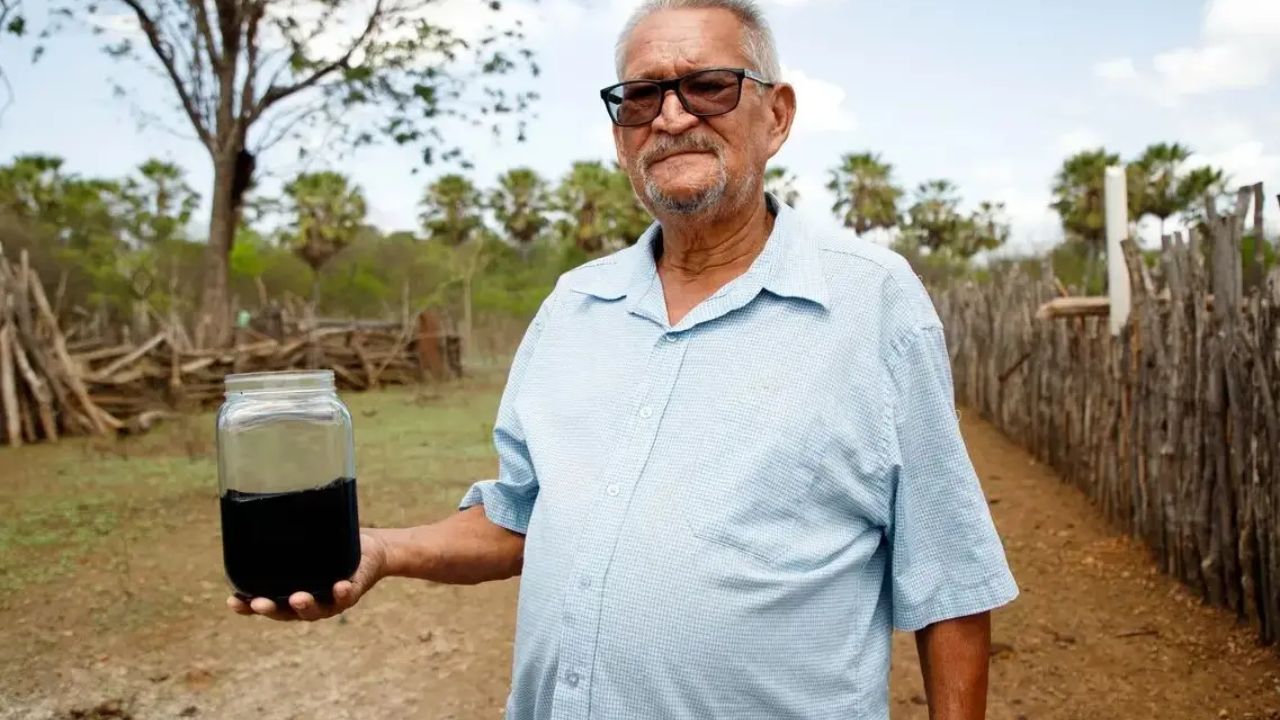
Farmer drills well in Ceará in search of water, accidentally finds crude oil and sees million-dollar discovery hindered by a rule that completely changes the future of the site.

-
Family finds oil on a 49-hectare site in Ceará, but exploration has no timeline or guarantee of happening

-
When drilling an artesian well, a farmer wanted water but found oil: ANP confirms that the dark liquid found by a farmer on a site in Ceará is crude oil.

-
European stocks rise with oil drop after Trump’s remarks on Iran as investors monitor global tension



The survey also indicates potential violations of socio-environmental legislation and the right to prior consultation provided for in Convention 169 of the International Labour Organization (ILO) — an international treaty to which Brazil is a signatory.
The lawyer and legal manager of the entity, Lucas Kannoa, emphasized the seriousness of the situation. “Even the initial phases of research already cause environmental impacts and distress to exposed communities. It is essential to respect consultation protocols and the international treaties signed by the country,” he stated.
Oil Blocks Threaten Communities and Protected Areas
In Rondônia, the block PRC-T-54 directly impacts the Cassupá and Salamãi Indigenous Land, a restricted area already recognized by environmental agencies. In Roraima, the blocks TCT-T-01 and TCT-T-02 are located near the Indigenous Lands of Bom Jesus, Canauanim, Jabuti, São Marcos, and Serra da Moça, increasing the risk of conflicts and environmental degradation.
In Maranhão, blocks such as PN-T-29, PN-T-65, PN-T-84, PN-T-101, and PN-T-114 overlap more than 10,000 hectares of indigenous lands, including Caru, Rio Pindaré, Cana Brava/Guajajara, and Bacurizinho. In Bahia and Maranhão, other blocks — including TUC-T-176, PN-T-14, PN-T-32, and PN-T-49 — intercept recognized quilombola territories, such as Tapera Melão, Juçaral/Santa Helena, and Santo Antônio dos Pretos, totaling 70,000 hectares at direct risk.
Rural Settlements and Conservation Units Are Also in the Risk Area
The Arayara study also identified 361 affected rural settlements, home to approximately 31,000 families. In 96 of these cases, the areas exceed the limit of 2,500 hectares defined by Normative Instruction No. 112/2021 of INCRA, which would require prior authorization from the National Congress before exploration.
Furthermore, exploration blocks in Minas Gerais and Rondônia overlap with Private Natural Heritage Reserves (RPPNs) and Environmental Protection Areas (APAs). This overlap contravenes current regulations, such as Interministerial Ordinance No. 1/2022 and Joint Technical Note No. 8/2024, which mandate the mandatory exclusion of protected areas and traditional communities from public oil offering rounds.
Experts Call for More Transparency and Review of Offered Blocks
The geosciences manager at Arayara, George Mendes, highlighted that the ANP’s decision represents a setback in sustainability policies. According to him, “the expansion of the fossil frontier advances over legally protected territories and traditional communities, compromising the achievement of the climate goals set by Brazil.”
For industry experts, the approval of new oil exploration blocks at this sensitive moment — with COP30 about to begin in Belém (PA) — reignites the debate about the balance between economic development and environmental preservation. The international pressure for a faster and cleaner energy transition contrasts with the expansion of fossil frontiers within the national territory.






Be the first to react!