






 Portuguese
  Spanish


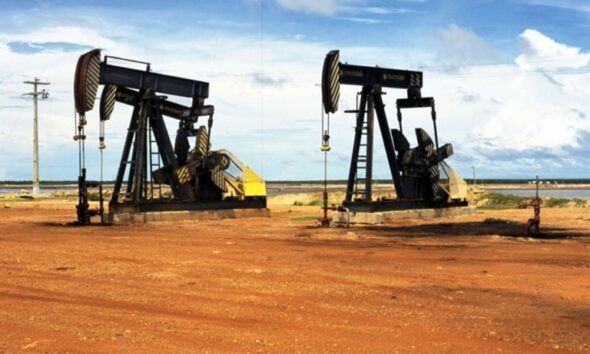

Portugal’s Ministry of Environment and Climate Action Informs That “No More Exploration and Research Contracts for Natural Gas or Oil Will Be Granted.”
Portugal Ceases Oil and Natural Gas Exploration. The decision was made after Australis, the last oil company seeking hydrocarbons in the country, renounced its concession contracts. Venezuelan Oil Tanker FSO Nabarima at Risk of Sinking Loaded with Crude Oil and Attracts International Concern
Read Also
- Oil Multinational DOF Subsea Started Yesterday (04/09) Job Openings for Technicians and Engineers in Macaé and Rio de Janeiro
- Petrobras Contracts in Macaé Demand Labor in Many Functions. Compete for the Positions, Resume Submission Until September 7
- French Total Withdraws from Five Offshore Blocks in the Mouth of the Amazon
“No more exploration and research contracts for natural gas or oil will be granted,” said an official source from the Ministry of Environment and Climate Action (MAAC) to Jornal Económico of Portugal last Monday, September 7.
It was officially announced last Friday (04/09) that the company Australis Oil & Gas Portugal would give up searching for oil and natural gas in the areas that were granted to it in Batalha and Pombal. These two concession contracts were the last that were still in effect for the oil company.
-
Brazil’s ANP Opens 86 New Oil Blocks in the Equatorial Margin, Expanding the Amazon River Mouth Frontier

-
OPEC+ Boosts Oil Supply by 188,000 Barrels per Day in July 2026, Leading to Price Drop from $112 to $89 per Barrel in Under Two Months

-
TotalEnergies Signs 20-Year Deal to Purchase 2 Million Tons of LNG from Alaska, Boosting Project Viability
-
Turkey Deploys Çağrı Bey Drilling Ship to Explore New Oil Frontier Off Somalia’s Coast
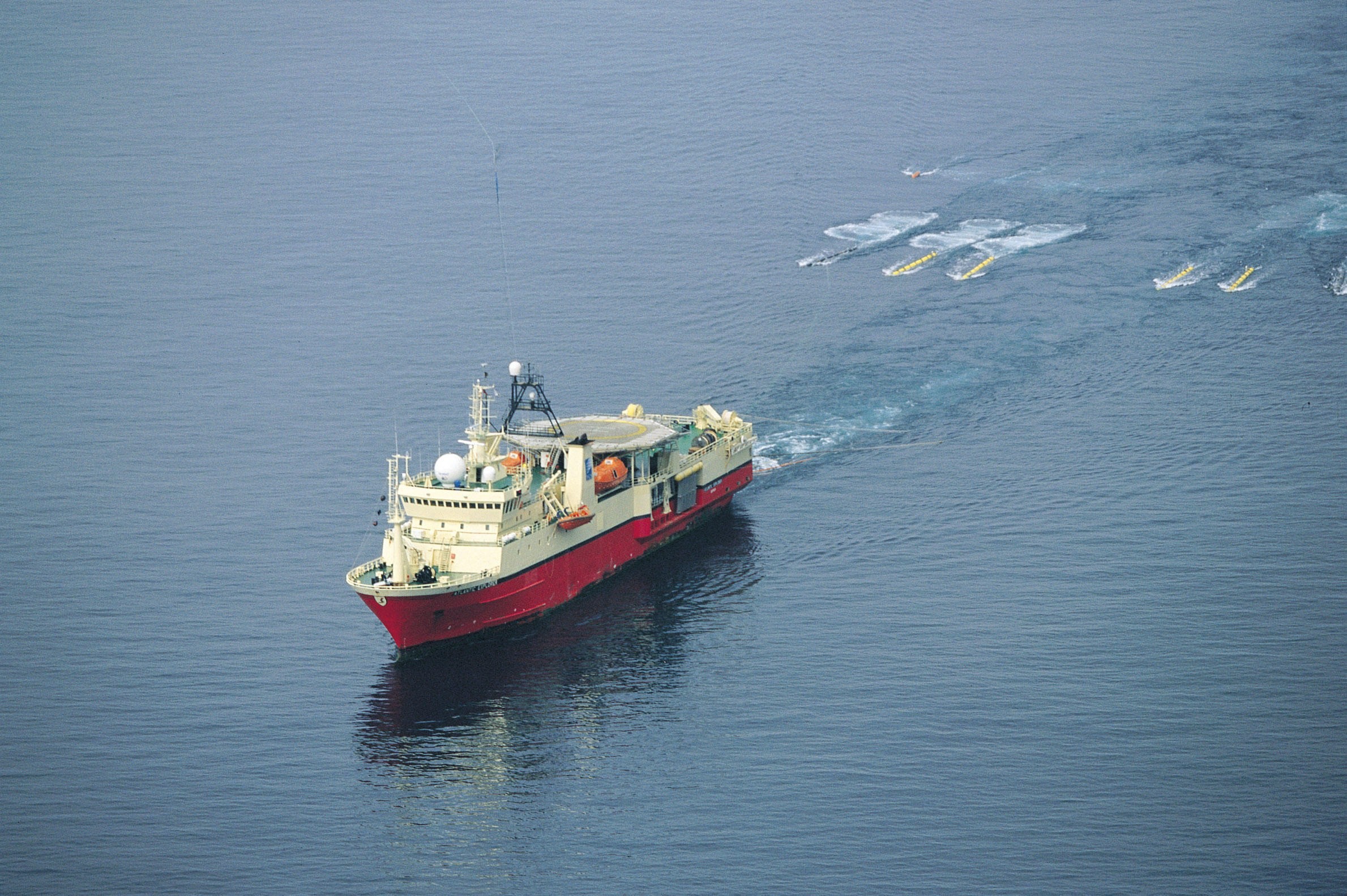

The Australian company had held the two concessions for the exploration of hydrocarbons (oil) in about 2,510 square kilometers of land since 2015, for a period of eight years.
The decision to renounce the concessions was “very disappointing” for the company, stating that it had “few options” to proceed with the work. Australis also lamented, in a statement, not having received “any support or help from the Government of Portugal,” particularly “in efforts to provide clear, concise, and accurate information” to the public and local authorities about the operations the company had underway. The renunciation will take effect from September 30.
Portugal Once Had 18 Oil and Natural Gas Concessions
Portugal once had seven oil companies with a total of 18 oil and natural gas exploration concessions in 2015, including Australis in Batalha and Pombal; Kosmos Energy off the coast of Alentejo and Algarve; Portfuel, owned by businessman Sousa Cintra, in the Algarve; Repsol/Partex off the coast of Algarve; ENI/Galp off the coast of Alentejo and Algarve; and Repsol/Kosmos/Galp/Partex along the entire coast between Lisbon and Porto.
However, over the years, oil companies lost interest in exploring oil and natural gas in the country; the withdrawal occurred for various reasons, including an increasingly critical public opinion regarding these investments due to heightened environmental awareness among citizens.
The concession that generated the most controversy was that of Portfuel in the Algarve, owned by businessman Sousa Cintra, which was ultimately canceled.
At the end of 2016, Portugal terminated contracts with Sousa Cintra’s company. The oil company appealed to the courts, but in 2019 its request for compensation was denied by the justice system.
The controversy surrounding Sousa Cintra extended to other oil and natural gas exploration concessions in Portugal.
One of the most reported concessions in recent years in Portugal, in addition to Portfuel, was that of Eni/Galp off the Alentejo and Algarve coast, 46.5 kilometers from the Algarve village of Aljezur.
At the time, Galp expressed regret over “the impossibility of assessing the offshore resource potential of the country,” emphasizing that “the existing conditions made it objectively impossible to continue oil and natural gas exploration activities in Portugal.”


