






 Portuguese
  Spanish


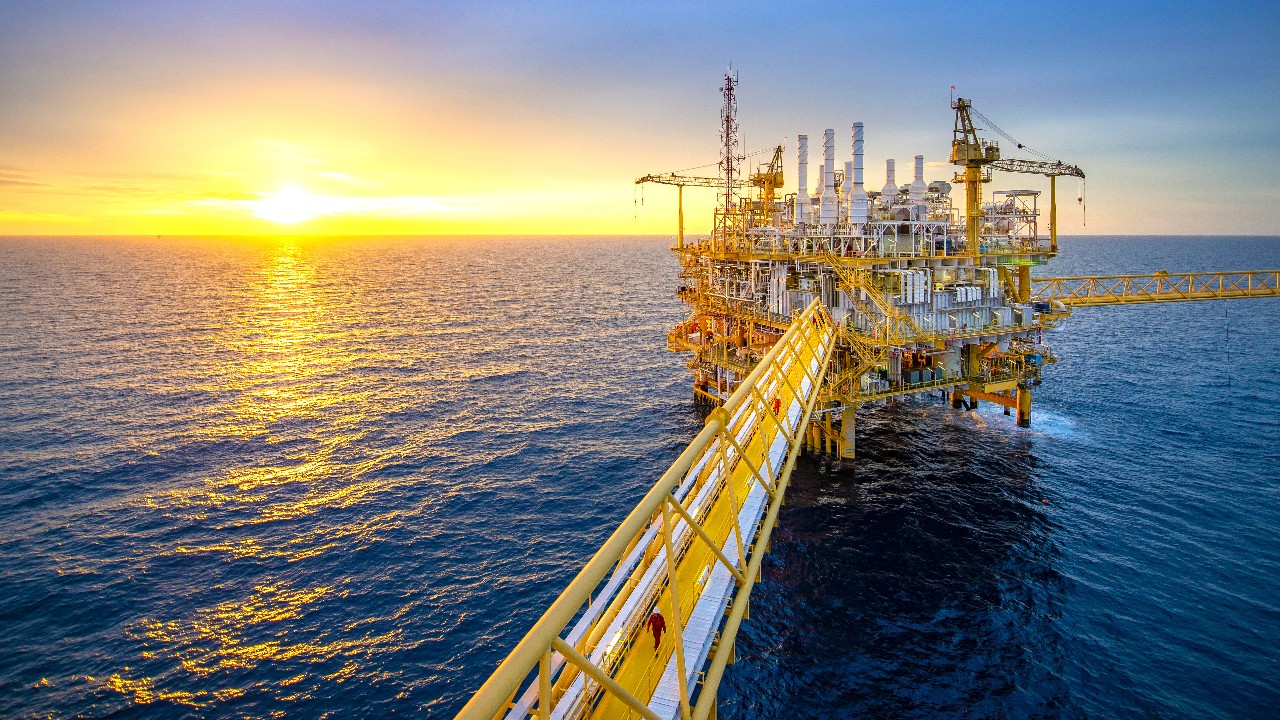


Offshore Oil And Natural Gas Exploration Is A Complex Process That Involves Many Technical And Environmental Challenges.
Industry companies need to deal with a number of factors, including adverse weather conditions, extreme depths, and the environmental impact of exploration. Learn about the offshore oil and natural gas exploration process and how companies are dealing with these challenges.
What Is Offshore Exploration?
Offshore exploration is the exploration of natural resources, such as oil and natural gas, in submarine areas. Oil and natural gas exploration companies use offshore platforms, which are large steel structures anchored to the seabed, to explore and produce oil and natural gas.
Offshore Exploration Process
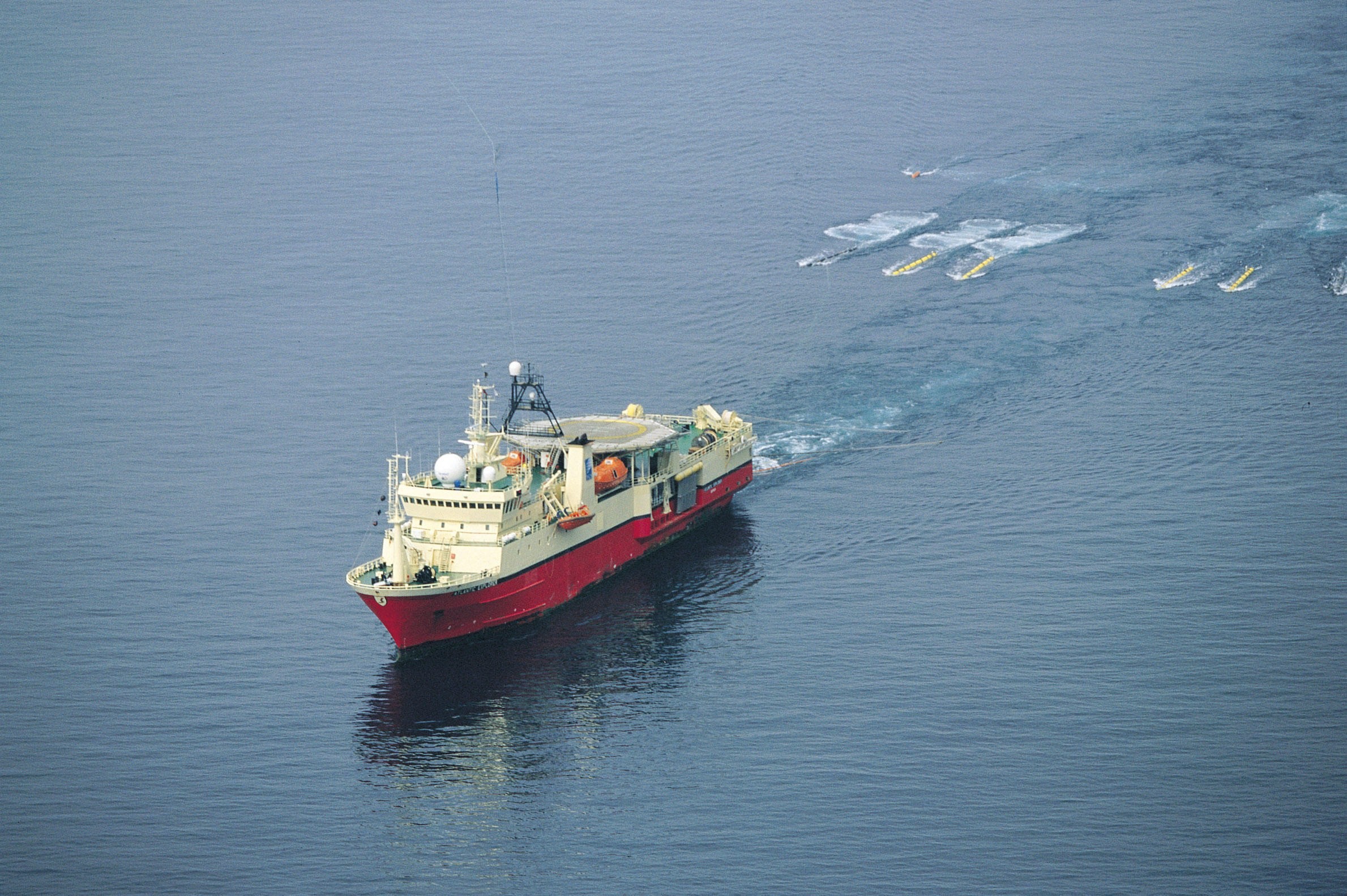
The offshore exploration process is divided into several stages. The first stage is prospecting, in which companies use seismic techniques to search for oil and natural gas deposits on the seabed. Once a deposit is found, the company drills a well to access oil or natural gas. Then, the company installs a production platform to extract the oil or natural gas and transport it to shore.
-
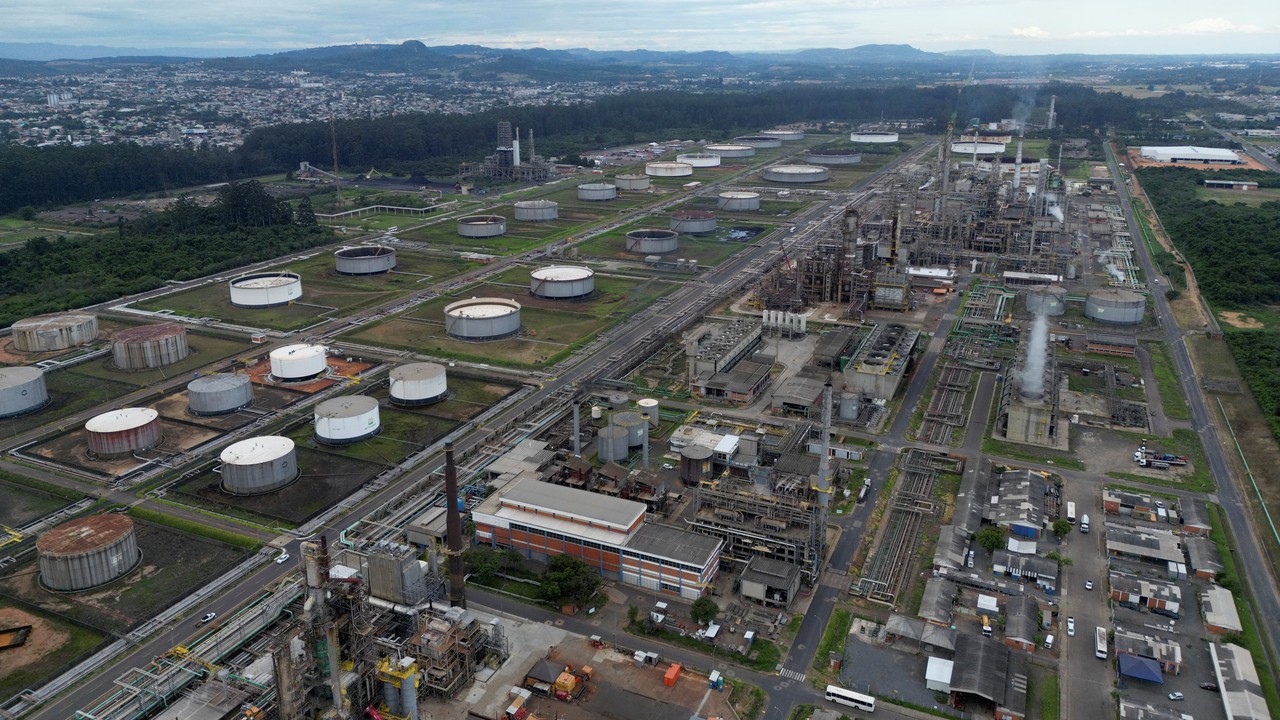
With a record production of nearly 3 million barrels per day, Petrobras resumes importing diesel in July, highlighting the bottleneck in Brazilian refining.

-
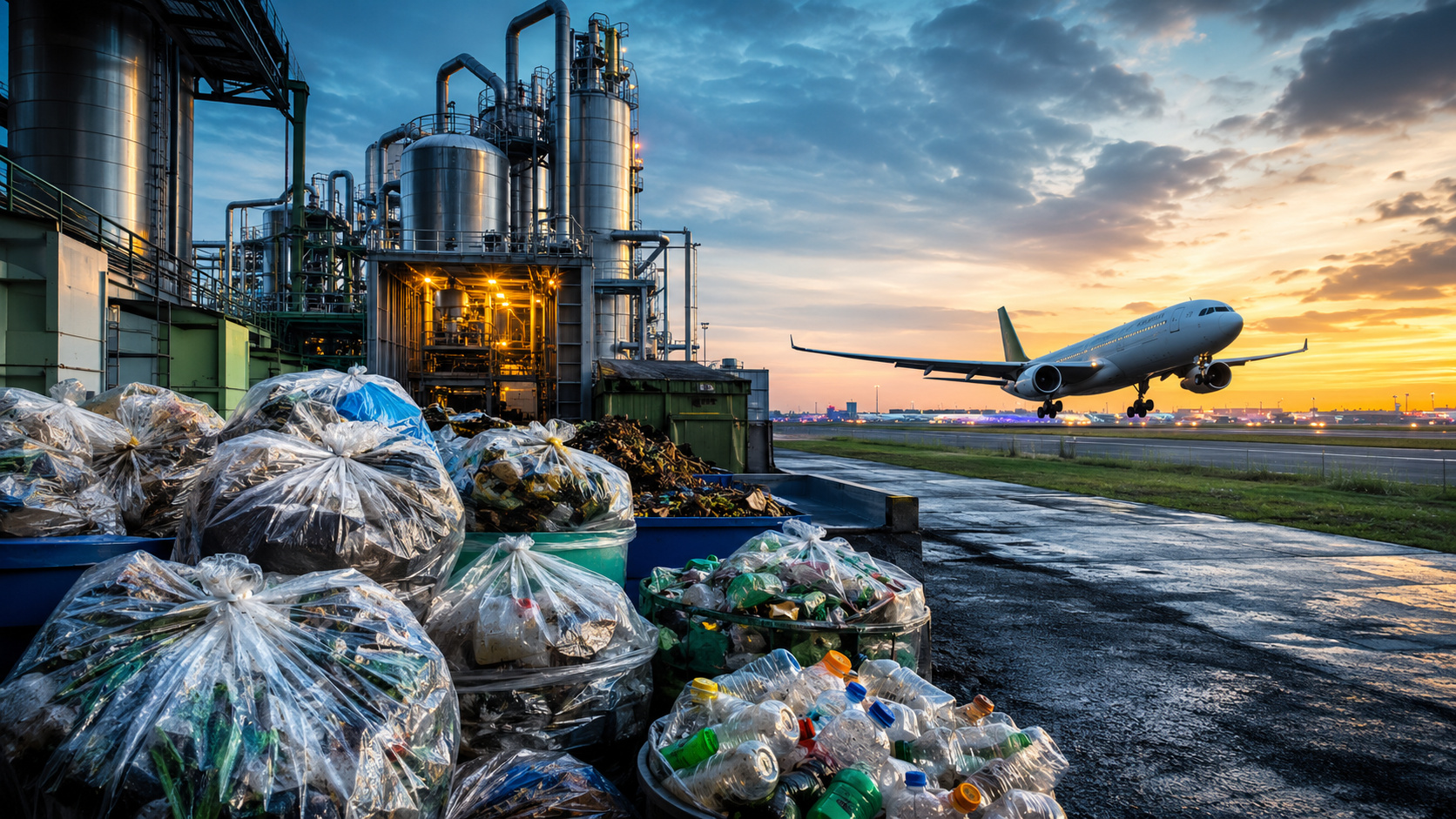
Qantas and Airbus Invest in Company Aiming to Convert Unsorted Household Trash into Jet Fuel

-
Brazil’s ANP Opens 86 New Oil Blocks in the Equatorial Margin, Expanding the Amazon River Mouth Frontier

-
OPEC+ Boosts Oil Supply by 188,000 Barrels per Day in July 2026, Leading to Price Drop from $112 to $89 per Barrel in Under Two Months
Technical Challenges of Offshore Exploration
Offshore oil and natural gas exploration is extremely complicated from a technical standpoint. Offshore platforms must withstand extreme weather conditions, such as strong winds, high waves, and hurricanes. In addition, the platforms need to be designed to withstand extreme ocean depths and seabed pressures.
One of the main concerns for companies is ensuring the safety of workers operating on offshore platforms. To this end, regular inspections and constant maintenance of the structures are carried out. Additionally, companies invest in monitoring technology to detect possible failures or issues in the platform’s structure.
Environmental Challenges of Offshore Exploration
Offshore oil and natural gas exploration also presents environmental challenges. Oil and natural gas leaks can have a devastating impact on marine life and coastal ecosystems. Additionally, offshore platforms can affect the migration of marine animals and may interfere with human activities, such as fishing and navigation.
Companies are aware of these environmental impacts and have taken steps to minimize the impact of offshore exploration on the environment. One of these measures is investing in leak prevention technologies and environmental remediation. Companies are also responsible for complying with strict tax regulations, including obtaining environmental licenses.







