Portuguese
  Spanish


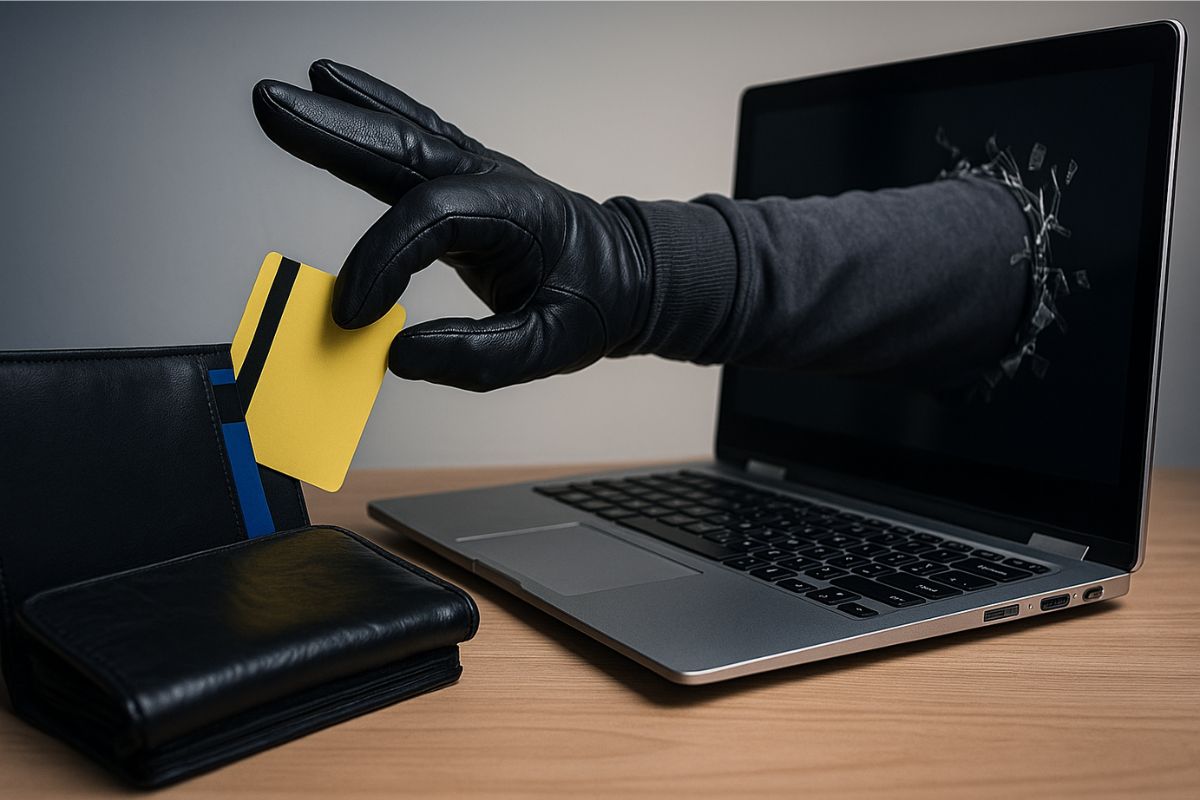

Cloned Cards, Hacked Accounts, and Mass Scams: Brazil Faces the Worst Wave of Fraud in History!
Fraud attempts in the banking sector skyrocketed in early 2025. According to a survey by Serasa Experian, between January and March, there were nearly 1.9 million fraud attempts against banks and credit card issuers — a number 21.5% higher than in the same period of 2024, and the highest ever recorded since this historical series began in 2023.
If all these attacks had been successful, the financial system could have suffered losses exceeding R$ 15.7 billion, according to estimates from Serasa itself. The alarming number shows that criminals are becoming increasingly organized and sophisticated, targeting exactly the most sensitive points of the financial system.
Banks and Cards: The New Epicenter of Digital Scams
According to the Fraud Attempt Indicator released by Serasa, the banking and card sector accounted for no less than 54% of all fraud attempts in the country in the first quarter of this year. This means that more than half of the attempted scams in Brazil are aimed at the banks’ coffers or consumers’ card limits.
-
Brazilian Homebuyers Still Fall for Illegal “Drawer Contracts,” Risking Foreclosure and Long Legal Battles Without Deeds.

-
World’s Largest Pencil Factory, Producing 2 Billion Annually, Operates in a Brazilian University Town with Its Own Sustainable Forest

-
World’s Largest Banknote Printer is a British Private Company Producing Currency for Over 69 Nations
-
Europe’s Largest Hydrogen Truck Fleet Begins Operation with 125 Vehicles Emitting Only Water Vapor



For Caio Rocha, Director of Authentication and Fraud Prevention at Serasa Experian, this progression is mainly due to two factors: the high value of financial operations and the massive digitization of banking services. “The banking and card sector continues to be the epicenter of digital fraud in Brazil, with increasingly larger volumes and sophistication on the part of fraudsters,” explained Rocha.
According to him, investing in technologies that monitor user behavior in real-time is essential to curb the rise of these crimes. “It is this type of innovation that protects millions of transactions daily and ensures trust in the system,” he concluded.

Credit Card Scams Lead the Fear Ranking
It is not only the number of attempts that is impressive. The direct impact on consumers’ lives is also growing. According to the 2025 Identity and Fraud Report, also from Serasa, 53.8% of Brazilians claim to have either been victims or know someone who has fallen for credit card scams.
Additionally, this type of fraud is what scares the public the most: 27.5% of respondents said they are more afraid of card scams than any other type of digital fraud.
This fear is not unfounded. Scammers have been creating increasingly ingenious schemes, such as card cloning via proximity, using leaked data in online transactions, and even false bank representatives who manage to convince customers to provide sensitive information.
Other Affected Sectors
Although banks lead the ranking, other segments also appear on the fraudsters’ heat map:
- Services: 31.9% of fraud attempts
- Financial Institutions Outside the Banking Sector: 6.7%
- Telecommunications: 5.7%
- Retail: 1.7%
These data show that practically all sectors of the economy are under threat, although the banking sector remains the most targeted.
What Is Behind This Growth?
The explosion of fraud has several main causes:
- The Popularization of PIX, which facilitated the instant movement of money and is exploited in schemes like the “delivery boy scam” or the “fake appointment” scam.
- The Growth of E-commerce, which multiplied opportunities for misuse of cards.
- The Increase in Data Leaks, often resulting from attacks on large companies, such as the Americanas leak in 2023.
How to Protect Yourself?
Serasa advises consumers to adopt simple but effective measures:
- Avoid clicking on links received via SMS or WhatsApp, especially if they come from supposed banks.
- Use two-factor authentication whenever possible.
- Be wary of calls asking for personal or banking data confirmation.
- Frequently monitor your credit card bill and bank statement.
Furthermore, services such as Serasa Antifraude provide real-time alerts if your data is used improperly.
The Importance of National Prevention
According to data from Febraban, banks invested over R$ 30 billion in technology just in 2024 — part of this amount was directed toward anti-fraud systems based on artificial intelligence and machine learning.
This type of system crosses thousands of variables in real-time to identify suspicious movements and block transactions before the scam is completed.