Portuguese
  Spanish




“`html
Green Boom! United Kingdom Invests £22 Billion in Carbon Capture Towards Net Zero 2050!
The United Kingdom is set to take a bold step towards a more sustainable future. With a colossal investment of £22 billion over 25 years, the British government is betting on carbon capture and storage (CCUS) projects to achieve the net zero emissions target by 2050. But what does this really mean for the country and the world?
The Push for Carbon Capture
The initial focus is on the regions of Teesside and Merseyside, where CCUS projects promise not only to significantly reduce carbon emissions but also to revitalize the local economy. This initiative is expected to create thousands of jobs and attract around £8 billion in private investments. CCUS technology captures CO2 from industrial processes and stores it beneath the seabed, preventing it from reaching the atmosphere.
-
OPEC+ Boosts Oil Supply by 188,000 Barrels per Day in July 2026, Leading to Price Drop from $112 to $89 per Barrel in Under Two Months

-
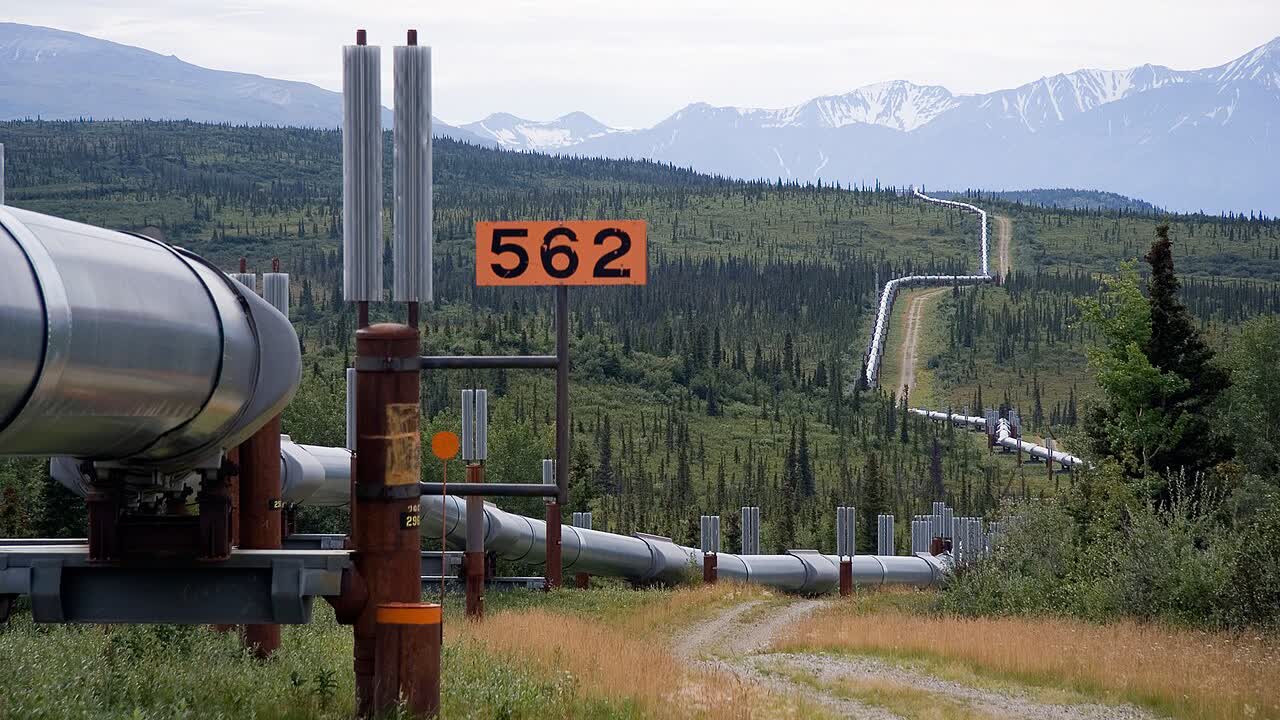
TotalEnergies Signs 20-Year Deal to Purchase 2 Million Tons of LNG from Alaska, Boosting Project Viability
-
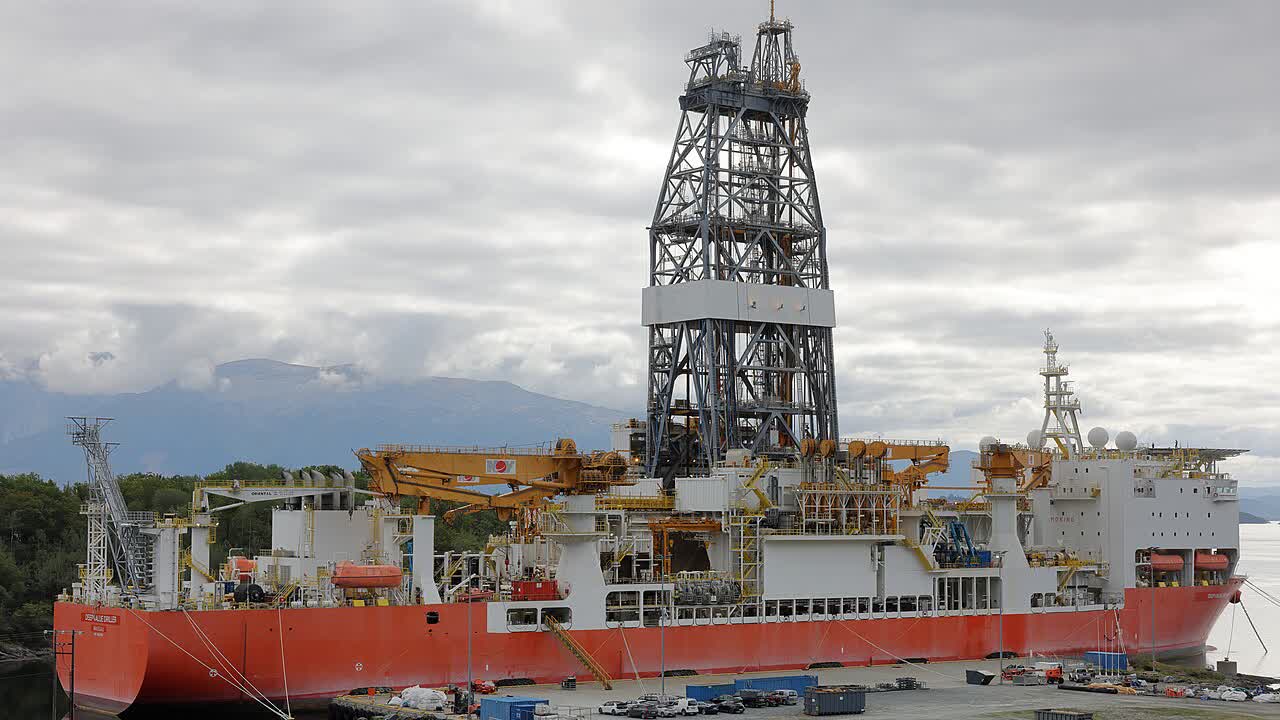
Turkey Deploys Çağrı Bey Drilling Ship to Explore New Oil Frontier Off Somalia’s Coast
-
Golden Pass LNG Ships First Liquefied Gas Cargo from the U.S., Completing $10 Billion QatarEnergy and ExxonMobil Investment

Economic and Environmental Impact
With the capacity to remove 8.5 million tons of carbon per year, equivalent to taking four million cars off the roads, the UK is positioning itself as a global leader in carbon capture technologies. Furthermore, the country has the capability to store emissions for up to 200 years, an impressive feat that highlights its commitment to sustainability.
Repercussions and Expectations
The announcement coincides with the closure of the UK’s last coal-fired power plant, marking the end of an era and the beginning of another. Political leaders, such as the Prime Minister and the Secretary of Energy, emphasize that this initiative will not only drive economic growth but also bring stability and confidence to investors and companies. It is expected that up to 50,000 jobs will be supported in the broader economy.
The Future of Clean Energy
In addition to carbon capture projects, the UK is advancing large-scale hydrogen production, with the Net Zero Teesside project led by BP and Equinor. This project, which is set to begin operations in 2027, could generate up to 860 megawatts of low-carbon electricity, enough to power 1.3 million homes.
Final Thoughts
This monumental investment is a testament to the power of an active government working in partnership with the private sector to promote quality jobs and economic growth. Carbon capture is not just an environmental solution but an economic opportunity that places the UK at the forefront of the global energy revolution. The lingering question is: will other countries follow this bold example?
For more information on the impact of carbon capture and clean energy initiatives, stay tuned for our updates. Share your opinions in the comments and join this crucial discussion about the future of our planet.
“`